THE ADVENTURE COLLECTIVE® · Independent discovery and booking for outdoor travel

Walk the High Line with an artist-guide and watch New York reconfigure itself into art, architecture, and history. This two-hour, wheelchair-accessible tour blends public sculpture, contemporary galleries, and the railway's surprising backstory.
Walk the High Line with an artist-guide and watch New York reconfigure itself into art, architecture, and history. This two-hour, wheelchair-accessible tour blends public sculpture, contemporary galleries, and the railway's surprising backstory.
Step onto the High Line and the city shifts beneath your feet: grasses brush against rail ties, freight-era iron becomes a promenade, and Manhattan opens in layered frames of brick, glass, and public sculpture.
Verified experiences and guided adventures in the surrounding area.
Operated by Chelsea Gallery Tour · New York, NY
Step onto the High Line and the city shifts beneath your feet: grasses brush against rail ties, freight-era iron becomes a promenade, and Manhattan opens in layered frames of brick, glass, and public sculpture.
This two-hour tour begins at the High Line's southern stair, where the air still smells faintly of the Hudson and the park's planted beds lean into the city. Your guide—an artist with a practiced eye—moves deliberately, pausing at a site-specific work or a cantilevered façade to pull historical threads and technical detail into the conversation. The narrative is part urban archaeology, part studio visit: the story of a railroad elevated in the 1930s, abandoned in the 1980s, and rescued by two activists and a community movement that turned dereliction into a linear park starting in the early 2000s.
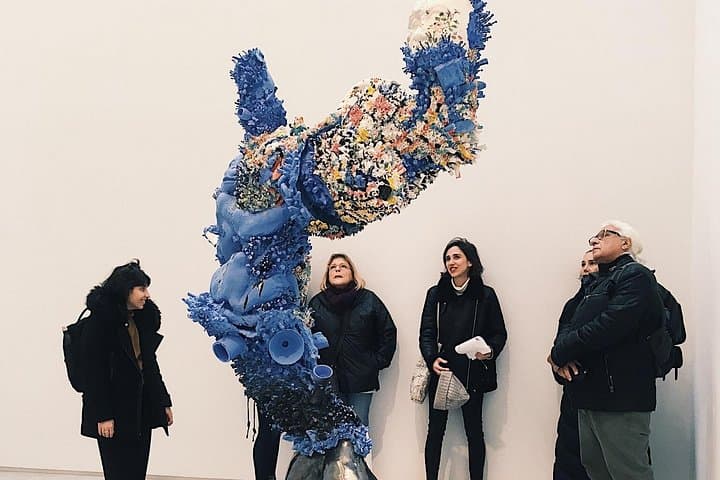
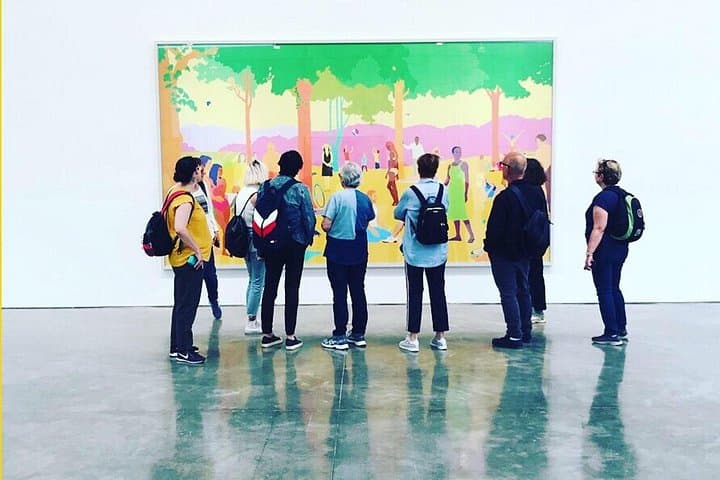
Along the promenade you'll encounter contemporary pieces that use scale and sightlines to alter how the neighborhood reads. The guide points out design decisions—how planting plans by Piet Oudolf thin views and redirect attention, how architects lifted volumes to frame 10th Avenue—and explains artists' methods and intentions in plain language. Beneath the walkway, the Chelsea gallery district hums with shows that reward curiosity: small commercial spaces where installation work can be intimate, experimental, and, at times, discomfiting.
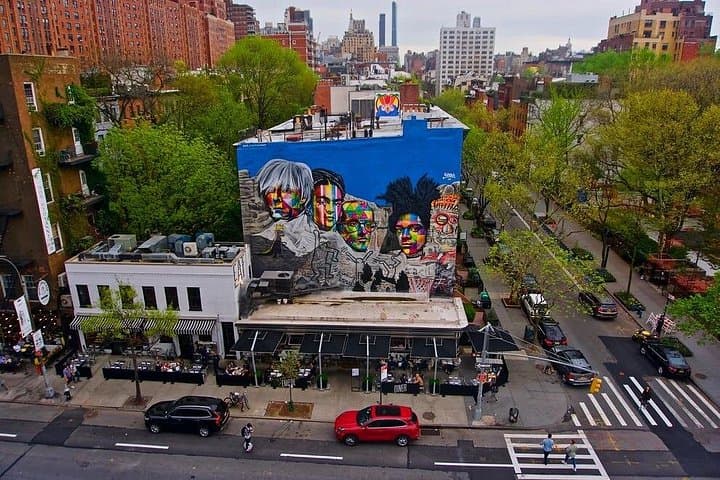
Architectural highlights include façades that respond to the High Line's geometry and new-build projects that test urban density without erasing history. The route finishes near Mercado Little Spain at Chelsea Market, a fitting end point where food, markets, and architecture overlap.
Practical matters are crisp: this is a private, artist-led tour requiring no prior art knowledge. It is wheelchair and stroller accessible, suitable for all fitness levels, and runs roughly two hours. Wear comfortable walking shoes and plan for weather—summer crowds and winter winds change the mood. Tours do not include gallery admission; some exhibitions may be closed for installation. Weekday mornings or late afternoons ease crowds and improve light for photography.
This tour is as much about seeing as it is about understanding: the city here is a set of conversations—between old rails and new gardens, commercial galleries and public space, artist and audience. Bring questions, a camera, and a willingness to let familiar blocks reveal histories you probably walk past every day without noticing them.
Yes. The High Line and the route used on this tour are wheelchair and stroller accessible, and guides accommodate mobility needs.
Yes—this tour comments on exhibitions but does not cover admission fees to private galleries or museums; some may be free while others charge.
The meeting point is at the High Line southern stairs near Gansevoort Street; the confirmation will give the precise entrance location.
Yes—families are welcome. The content is adaptable, but note galleries may have age recommendations for certain exhibitions.
Tours can be canceled for severe weather; check the cancellation policy and the operator will notify you in advance for rescheduling or refund.
No. Guides are artists who explain concepts in a casual, accessible way—curiosity is sufficient.
Chelsea Gallery Tour operates guided outdoor trips and adventures with an emphasis on safety, stewardship, and memorable experiences.

Step onto the High Line and the city shifts beneath your feet: grasses brush against rail ties, freight-era iron becomes a promenade, and Manhattan opens in layered frames of brick, glass, and public sculpture.
Step onto the High Line and the city shifts beneath your feet: grasses brush against rail ties, freight-era iron becomes a promenade, and Manhattan opens in layered frames of brick, glass, and public sculpture.
This two-hour tour begins at the High Line's southern stair, where the air still smells faintly of the Hudson and the park's planted beds lean into the city. Your guide—an artist with a practiced eye—moves deliberately, pausing at a site-specific work or a cantilevered façade to pull historical threads and technical detail into the conversation. The narrative is part urban archaeology, part studio visit: the story of a railroad elevated in the 1930s, abandoned in the 1980s, and rescued by two activists and a community movement that turned dereliction into a linear park starting in the early 2000s.
Along the promenade you'll encounter contemporary pieces that use scale and sightlines to alter how the neighborhood reads. The guide points out design decisions—how planting plans by Piet Oudolf thin views and redirect attention, how architects lifted volumes to frame 10th Avenue—and explains artists' methods and intentions in plain language. Beneath the walkway, the Chelsea gallery district hums with shows that reward curiosity: small commercial spaces where installation work can be intimate, experimental, and, at times, discomfiting.
Architectural highlights include façades that respond to the High Line's geometry and new-build projects that test urban density without erasing history. The route finishes near Mercado Little Spain at Chelsea Market, a fitting end point where food, markets, and architecture overlap.
Practical matters are crisp: this is a private, artist-led tour requiring no prior art knowledge. It is wheelchair and stroller accessible, suitable for all fitness levels, and runs roughly two hours. Wear comfortable walking shoes and plan for weather—summer crowds and winter winds change the mood. Tours do not include gallery admission; some exhibitions may be closed for installation. Weekday mornings or late afternoons ease crowds and improve light for photography.
This tour is as much about seeing as it is about understanding: the city here is a set of conversations—between old rails and new gardens, commercial galleries and public space, artist and audience. Bring questions, a camera, and a willingness to let familiar blocks reveal histories you probably walk past every day without noticing them.