THE ADVENTURE COLLECTIVE® · Independent discovery and booking for outdoor travel

Swap the mountain skyline for warm, clear water on a half-day trip from Moshi to Chemka (Maji Moto). Swim beneath tree canopies, test a rope swing, and taste local street food at a rural hot spring fed by steady underground flows.
Swap the mountain skyline for warm, clear water on a half-day trip from Moshi to Chemka (Maji Moto). Swim beneath tree canopies, test a rope swing, and taste local street food at a rural hot spring fed by steady underground flows.
A thin ribbon of road loosens Moshi behind you and, after a village-scattered drive, the palms and figs close in. At the river bend the water changes—clear, warm, and impossibly blue—inviting without fuss. Chemka (Maji Moto) is a natural spring that feels more like a private pool carved by years of steady groundwater and limestone, its surface broken by rope swings and the occasional splash of laughter.
Verified experiences and guided adventures in the surrounding area.
Operated by Moshi Trips · Moshi, Kilimanjaro Region
A thin ribbon of road loosens Moshi behind you and, after a village-scattered drive, the palms and figs close in. At the river bend the water changes—clear, warm, and impossibly blue—inviting without fuss. Chemka (Maji Moto) is a natural spring that feels more like a private pool carved by years of steady groundwater and limestone, its surface broken by rope swings and the occasional splash of laughter.
Historically locals have used the springs for bathing and ceremony; the groundwater rises where volcanic aquifers meet permeable deposits from the Kilimanjaro and nearby volcanic highlands. The site sits within a mosaic of small farms and riverine forest that supports local fishing and fruit trees; guides often point out how the springs shaped village life and routes.
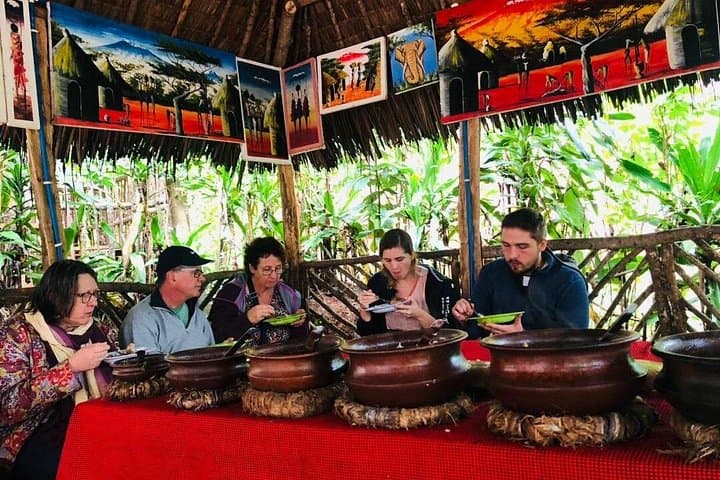
Expect shallow, waist-to-chest-deep pools, a few deeper channels, and cool shaded banks for lingering. The water stays roughly the same temperature year-round because it’s fed from underground, so swimming here is pleasant even if the air is cool. Cultural touches arrive in the form of chips mayai and nyama choma served from a nearby stand; vendors and local guides make the visit both social and easy to navigate.
Practical guidance: plan a half-day from Moshi, bring water shoes for the rocky bottom, reef-safe sunscreen, and cash for food and small entrance fees. Visit early to avoid peak crowds and to enjoy the stillness under the canopy. Leave no trace—pack out plastics and respect local spaces so the spring stays as clean and welcoming as you found it.
The drive is roughly 1–1.5 hours depending on traffic and exact pickup location in Moshi.
Despite the name, the spring is pleasantly warm to cool in places—comfortable for swimming rather than steaming like a geothermal spa.
Basic shaded areas and local food stalls are available; bring cash, and expect simple toilets rather than full facilities.
Yes—children can enjoy shallow areas and rope swings, but supervise them closely; depths vary and footing can be uneven.
Moshi Trips operates guided outdoor trips and adventures with an emphasis on safety, stewardship, and memorable experiences.
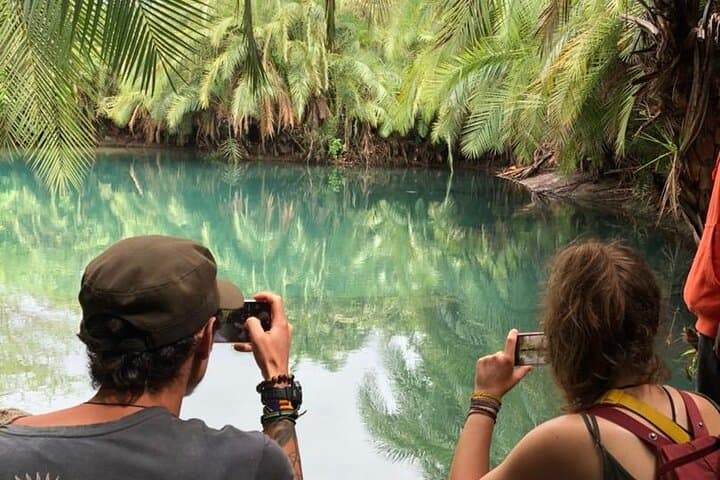
A thin ribbon of road loosens Moshi behind you and, after a village-scattered drive, the palms and figs close in. At the river bend the water changes—clear, warm, and impossibly blue—inviting without fuss. Chemka (Maji Moto) is a natural spring that feels more like a private pool carved by years of steady groundwater and limestone, its surface broken by rope swings and the occasional splash of laughter.
A thin ribbon of road loosens Moshi behind you and, after a village-scattered drive, the palms and figs close in. At the river bend the water changes—clear, warm, and impossibly blue—inviting without fuss. Chemka (Maji Moto) is a natural spring that feels more like a private pool carved by years of steady groundwater and limestone, its surface broken by rope swings and the occasional splash of laughter.
Historically locals have used the springs for bathing and ceremony; the groundwater rises where volcanic aquifers meet permeable deposits from the Kilimanjaro and nearby volcanic highlands. The site sits within a mosaic of small farms and riverine forest that supports local fishing and fruit trees; guides often point out how the springs shaped village life and routes.
Expect shallow, waist-to-chest-deep pools, a few deeper channels, and cool shaded banks for lingering. The water stays roughly the same temperature year-round because it’s fed from underground, so swimming here is pleasant even if the air is cool. Cultural touches arrive in the form of chips mayai and nyama choma served from a nearby stand; vendors and local guides make the visit both social and easy to navigate.
Practical guidance: plan a half-day from Moshi, bring water shoes for the rocky bottom, reef-safe sunscreen, and cash for food and small entrance fees. Visit early to avoid peak crowds and to enjoy the stillness under the canopy. Leave no trace—pack out plastics and respect local spaces so the spring stays as clean and welcoming as you found it.