THE ADVENTURE COLLECTIVE® · Independent discovery and booking for outdoor travel

Spend a full day watching pandas at Chengdu’s research base, then ride high-speed rail to Leshan for a river cruise beneath the 8th‑century Giant Buddha. This private tour bundles transport, admissions and lunch for an efficient, wildlife-and-culture packed day.
Spend a full day watching pandas at Chengdu’s research base, then ride high-speed rail to Leshan for a river cruise beneath the 8th‑century Giant Buddha. This private tour bundles transport, admissions and lunch for an efficient, wildlife-and-culture packed day.
Morning light filters through bamboo at the Chengdu Research Base, where pandas move with deliberate curiosity and the air smells faintly of fresh shoots. Visitors arrive to the soft chatter of caretakers and the rustle of leaves; baby pandas tumble in enclosures while red pandas perch with foxlike composure. The scene reads like a living laboratory—conservation work in motion.
Verified experiences and guided adventures in the surrounding area.
Operated by China Memory Trip · Chengdu, Sichuan
Morning light filters through bamboo at the Chengdu Research Base, where pandas move with deliberate curiosity and the air smells faintly of fresh shoots. Visitors arrive to the soft chatter of caretakers and the rustle of leaves; baby pandas tumble in enclosures while red pandas perch with foxlike composure. The scene reads like a living laboratory—conservation work in motion.
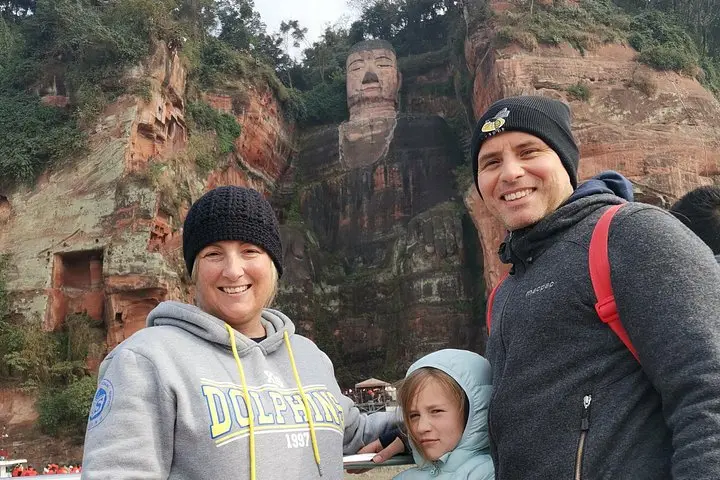
The day continues by high-speed train across the Chengdu Plain, whose floodplain soils and river systems shaped human settlement here for millennia. Leshan’s Giant Buddha, carved into red sandstone cliffs of the Min River confluence in the 8th century, was both an engineering feat and a civic act to calm turbulent waters—rock and river locked in a long conversation. From a river cruise the Buddha fills the bow of the view, the river daring you to measure its scale.
Expect a practical, full-day rhythm: a few hours at the panda base for viewing and photography, an hour train ride through agricultural lowlands, lunch in Leshan, and a relaxed cruise to the Buddha’s feet. Terrain is flat at the panda park and easy at the cruise docks, but the Leshan cliff walk (if taken) has stone steps and uneven footing.
Plan for early arrival, sun protection for the boat, reusable water, and modest clothing for temple approaches. Peak photography windows are morning at the panda base and late afternoon light on the Buddha. Bookings typically include guide, train tickets, entrance fees, and lunch—so you can focus on watching pandas eat bamboo, and river currents sculpt history.
The train ride is about one hour each way on modern high-speed services included in the tour.
Feeding and activity windows are scheduled by the base and most active in the morning, but exact behaviors can’t be guaranteed—early visits maximize the chance of seeing feeding and play.
Yes—the river cruise to the confluence in front of the Giant Buddha is included and typically runs 20–40 minutes depending on river traffic and stopping time for photos.
Yes—most operators can arrange non-spicy or vegetarian meals if requested during booking; confirm any allergies in advance.
China Memory Trip operates guided outdoor trips and adventures with an emphasis on safety, stewardship, and memorable experiences.


Morning light filters through bamboo at the Chengdu Research Base, where pandas move with deliberate curiosity and the air smells faintly of fresh shoots. Visitors arrive to the soft chatter of caretakers and the rustle of leaves; baby pandas tumble in enclosures while red pandas perch with foxlike composure. The scene reads like a living laboratory—conservation work in motion.
Morning light filters through bamboo at the Chengdu Research Base, where pandas move with deliberate curiosity and the air smells faintly of fresh shoots. Visitors arrive to the soft chatter of caretakers and the rustle of leaves; baby pandas tumble in enclosures while red pandas perch with foxlike composure. The scene reads like a living laboratory—conservation work in motion.
The day continues by high-speed train across the Chengdu Plain, whose floodplain soils and river systems shaped human settlement here for millennia. Leshan’s Giant Buddha, carved into red sandstone cliffs of the Min River confluence in the 8th century, was both an engineering feat and a civic act to calm turbulent waters—rock and river locked in a long conversation. From a river cruise the Buddha fills the bow of the view, the river daring you to measure its scale.
Expect a practical, full-day rhythm: a few hours at the panda base for viewing and photography, an hour train ride through agricultural lowlands, lunch in Leshan, and a relaxed cruise to the Buddha’s feet. Terrain is flat at the panda park and easy at the cruise docks, but the Leshan cliff walk (if taken) has stone steps and uneven footing.
Plan for early arrival, sun protection for the boat, reusable water, and modest clothing for temple approaches. Peak photography windows are morning at the panda base and late afternoon light on the Buddha. Bookings typically include guide, train tickets, entrance fees, and lunch—so you can focus on watching pandas eat bamboo, and river currents sculpt history.