THE ADVENTURE COLLECTIVE® · Independent discovery and booking for outdoor travel

Explore Chengdu’s backstreets on a guided four‑hour walking tour that uncovers six authentic snacks, a local market visit, and a full Sichuan dinner. Perfect for curious eaters who want both context and unforgettable flavors.
Explore Chengdu’s backstreets on a guided four‑hour walking tour that uncovers six authentic snacks, a local market visit, and a full Sichuan dinner. Perfect for curious eaters who want both context and unforgettable flavors.
The city exhales steam and spice as you step from Kuanzhai Alley into a lattice of backstreets where woks pop and skewers sizzle. A local guide threads the group through alleys that funnel aromas of sesame, chilies, and toasted peppercorn into your face—each stall a tiny theater of fast hands and older recipes.
Verified experiences and guided adventures in the surrounding area.
Operated by Jacob’s Spice Trails · Chengdu, Sichuan
The city exhales steam and spice as you step from Kuanzhai Alley into a lattice of backstreets where woks pop and skewers sizzle. A local guide threads the group through alleys that funnel aromas of sesame, chilies, and toasted peppercorn into your face—each stall a tiny theater of fast hands and older recipes.
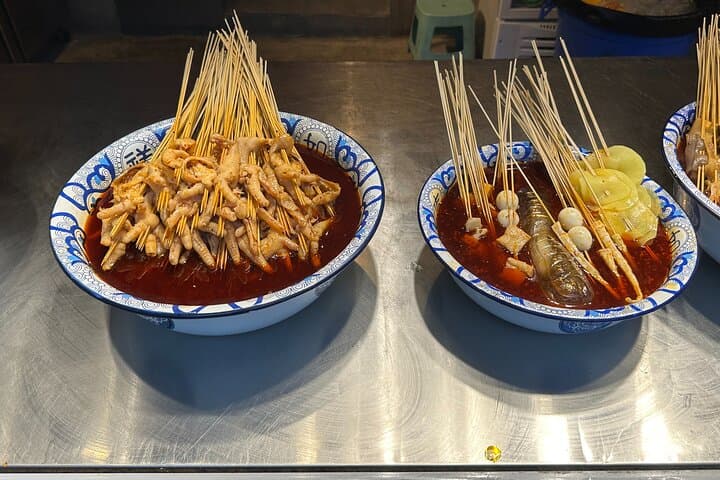
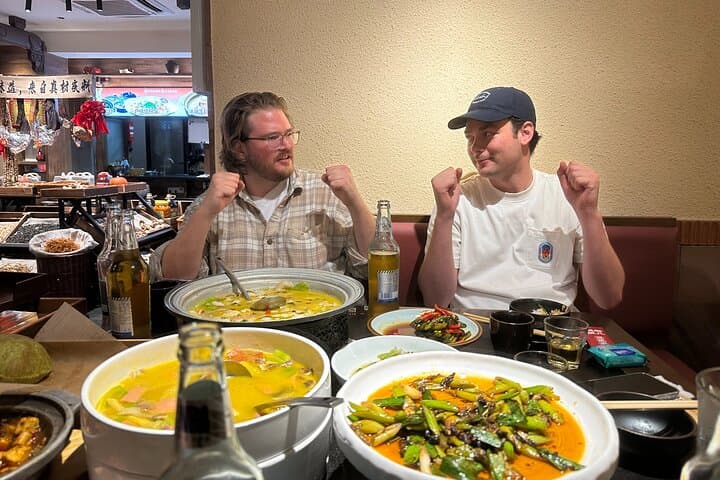
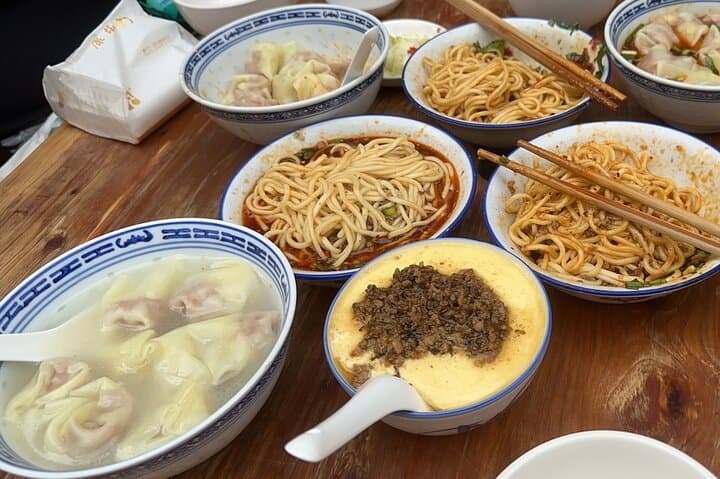
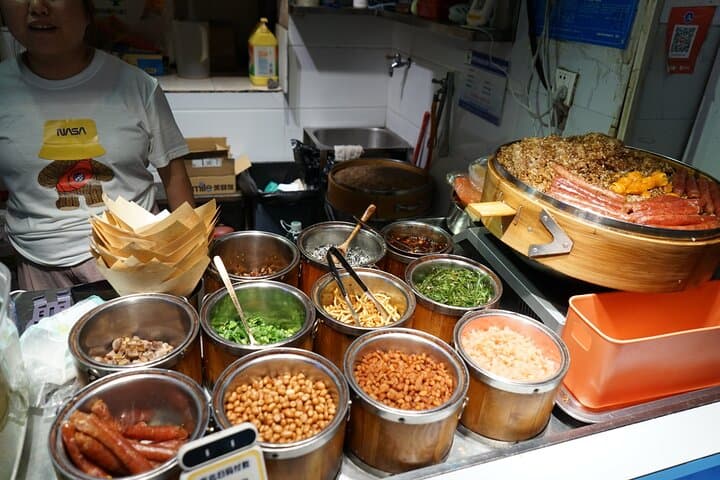
Chengdu’s lanes date to Qing‑era urban planning; the food culture that fills them is older still, shaped by riverine rice farming and the bold bite of Sichuan pepper. The geology of the Sichuan Basin concentrates moisture and heat, which helped develop rich, oily sauces and the peppercorn’s mouth‑tingling numbness. Along the walk you’ll visit a wet market, try dandan noodles, guokui, deep‑fried sticky rice balls, and finish with a shared dinner of Mapo Tofu and Twice‑Cooked Pork—plus a baijiu sample for the daring.
Expect purposeful walking on paved, sometimes crowded streets for about four hours. Bring an appetite and a phone for photos; vendors often don’t take cards. Plan for spice tolerance and pacing—order half portions if offered. Hydrate between tastings and flag your guide about allergies before sampling. Evenings are liveliest, with neon signs and steaming bowls under street lamps.
This tour is as much social anthropology as gastronomy: you’ll taste history, meet neighborhood cooks, and gain practical tips for continuing your own Chengdu food exploration.
Yes—many stalls offer vegetable versions of dishes; tell your guide at booking and they’ll point out suitable options.
You’ll sample 5–6 street snacks plus a full shared Sichuan dinner—bring appetite but you can often request smaller portions.
Yes, it’s listed as easy; infants can use strollers and small children should be supervised in crowded areas.
Meet near Kuanzhai Alley; cancel at least 24 hours in advance for a full refund per the operator’s policy.
Jacob’s Spice Trails operates guided outdoor trips and adventures with an emphasis on safety, stewardship, and memorable experiences.
The city exhales steam and spice as you step from Kuanzhai Alley into a lattice of backstreets where woks pop and skewers sizzle. A local guide threads the group through alleys that funnel aromas of sesame, chilies, and toasted peppercorn into your face—each stall a tiny theater of fast hands and older recipes.
The city exhales steam and spice as you step from Kuanzhai Alley into a lattice of backstreets where woks pop and skewers sizzle. A local guide threads the group through alleys that funnel aromas of sesame, chilies, and toasted peppercorn into your face—each stall a tiny theater of fast hands and older recipes.
Chengdu’s lanes date to Qing‑era urban planning; the food culture that fills them is older still, shaped by riverine rice farming and the bold bite of Sichuan pepper. The geology of the Sichuan Basin concentrates moisture and heat, which helped develop rich, oily sauces and the peppercorn’s mouth‑tingling numbness. Along the walk you’ll visit a wet market, try dandan noodles, guokui, deep‑fried sticky rice balls, and finish with a shared dinner of Mapo Tofu and Twice‑Cooked Pork—plus a baijiu sample for the daring.
Expect purposeful walking on paved, sometimes crowded streets for about four hours. Bring an appetite and a phone for photos; vendors often don’t take cards. Plan for spice tolerance and pacing—order half portions if offered. Hydrate between tastings and flag your guide about allergies before sampling. Evenings are liveliest, with neon signs and steaming bowls under street lamps.
This tour is as much social anthropology as gastronomy: you’ll taste history, meet neighborhood cooks, and gain practical tips for continuing your own Chengdu food exploration.