THE ADVENTURE COLLECTIVE® · Independent discovery and booking for outdoor travel

Spend a single, well-paced day in Sichuan: watch pandas at their most active at dawn, then travel to Leshan to view the 8th-century Giant Buddha from a river cruise. This private tour pairs wildlife conservation with UNESCO-listed history, ideal for a full-day cultural and natural highlight.
Spend a single, well-paced day in Sichuan: watch pandas at their most active at dawn, then travel to Leshan to view the 8th-century Giant Buddha from a river cruise. This private tour pairs wildlife conservation with UNESCO-listed history, ideal for a full-day cultural and natural highlight.
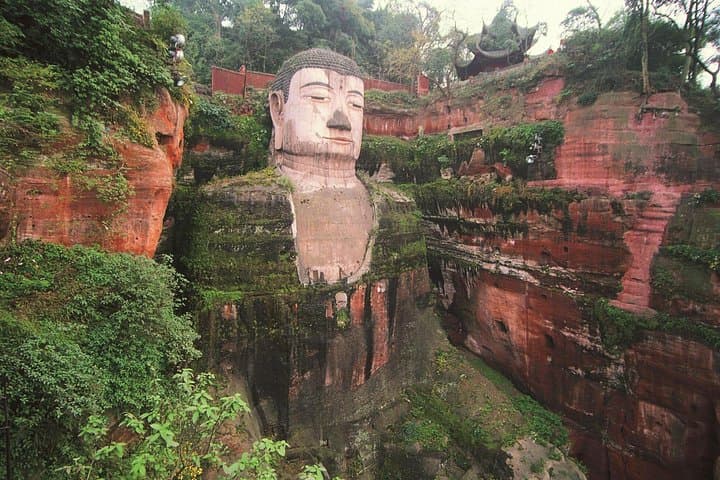
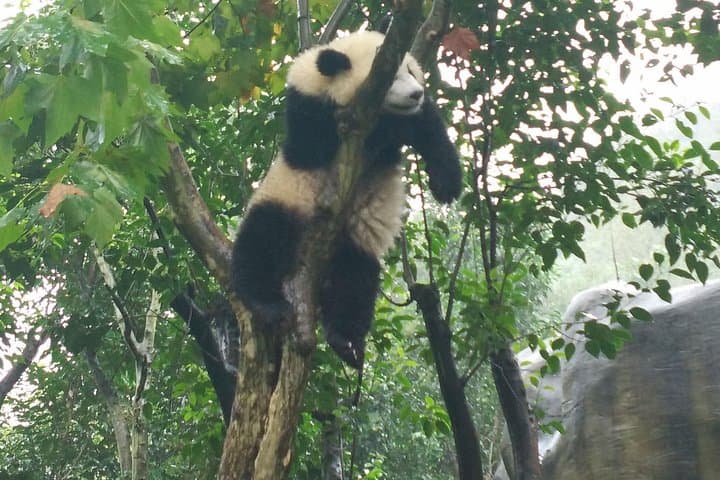
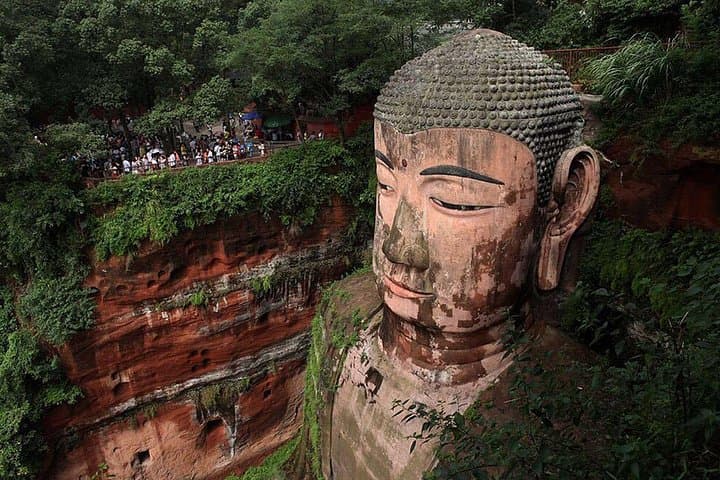
Morning light in Chengdu arrives soft and deliberate, and the first stop—Chengdu Research Base of Giant Panda—answers like clockwork: sleepy adults rouse, cubs tumble, bamboo rustles with purpose. A private guide meets the group, and the day moves east by road toward the red cliffs of Leshan, where the river sculpts its way past the 71-meter Giant Buddha carved into living rock.
Verified experiences and guided adventures in the surrounding area.
Operated by TWT Travel · Chengdu, Sichuan
Morning light in Chengdu arrives soft and deliberate, and the first stop—Chengdu Research Base of Giant Panda—answers like clockwork: sleepy adults rouse, cubs tumble, bamboo rustles with purpose. A private guide meets the group, and the day moves east by road toward the red cliffs of Leshan, where the river sculpts its way past the 71-meter Giant Buddha carved into living rock.
The panda base began as a breeding and research center focused on restoring a fragile population once decimated by habitat loss; today it pairs close-up animal viewing with conservation messaging. Leshan’s Buddha dates to the Tang Dynasty (8th century) and was engineered to redirect river currents—an early example of landscape-scale thinking that preserved the statue and reduced erosion downstream.
Travelers can expect a controlled, full-day rhythm: an early museum-like hush with active animals, then a two-hour drive through Sichuan’s patchwork farmland, a local lunch, and a river cruise that frames the Buddha’s scale. Terrain is urban paths, paved park trails, steps and a short boat outing; moderate walking and stair negotiation are the main physical demands.
Practical tips: arrive at the panda base early for peak activity; carry cash for market snacks and donations; wear shoes with grip for stairs at Leshan; bring sun protection and a refillable bottle. Expect eight to nine hours total, with hotel pickup and drop-off in central Chengdu. This itinerary is ideal for travelers who want wildlife viewing and cultural heritage in a single, well-paced day.
No—pandas are animals and their activity varies. Morning visits increase the chance of seeing feeding and play; indoor viewing areas may rotate exhibits.
Expect about two hours each way by car depending on traffic; the tour schedules extra time for the river cruise and lunch.
Partial access is possible from the river cruise for views; the main walkways and stairs to closer vantage points can be steep and limiting for some visitors.
Yes—this private tour includes entrance fees to both sites and a local Chinese lunch as stated in the inclusions.
TWT Travel operates guided outdoor trips and adventures with an emphasis on safety, stewardship, and memorable experiences.

Morning light in Chengdu arrives soft and deliberate, and the first stop—Chengdu Research Base of Giant Panda—answers like clockwork: sleepy adults rouse, cubs tumble, bamboo rustles with purpose. A private guide meets the group, and the day moves east by road toward the red cliffs of Leshan, where the river sculpts its way past the 71-meter Giant Buddha carved into living rock.
Morning light in Chengdu arrives soft and deliberate, and the first stop—Chengdu Research Base of Giant Panda—answers like clockwork: sleepy adults rouse, cubs tumble, bamboo rustles with purpose. A private guide meets the group, and the day moves east by road toward the red cliffs of Leshan, where the river sculpts its way past the 71-meter Giant Buddha carved into living rock.
The panda base began as a breeding and research center focused on restoring a fragile population once decimated by habitat loss; today it pairs close-up animal viewing with conservation messaging. Leshan’s Buddha dates to the Tang Dynasty (8th century) and was engineered to redirect river currents—an early example of landscape-scale thinking that preserved the statue and reduced erosion downstream.
Travelers can expect a controlled, full-day rhythm: an early museum-like hush with active animals, then a two-hour drive through Sichuan’s patchwork farmland, a local lunch, and a river cruise that frames the Buddha’s scale. Terrain is urban paths, paved park trails, steps and a short boat outing; moderate walking and stair negotiation are the main physical demands.
Practical tips: arrive at the panda base early for peak activity; carry cash for market snacks and donations; wear shoes with grip for stairs at Leshan; bring sun protection and a refillable bottle. Expect eight to nine hours total, with hotel pickup and drop-off in central Chengdu. This itinerary is ideal for travelers who want wildlife viewing and cultural heritage in a single, well-paced day.