THE ADVENTURE COLLECTIVE® · Independent discovery and booking for outdoor travel

Spend a single, smoothly guided day in Sichuan: watch pandas at the Chengdu Research Base in the cool of morning, then explore the Bronze Age wonders of Sanxingdui Museum after lunch. This private tour pairs wildlife conservation with an archaeological eye‑opener.
Spend a single, smoothly guided day in Sichuan: watch pandas at the Chengdu Research Base in the cool of morning, then explore the Bronze Age wonders of Sanxingdui Museum after lunch. This private tour pairs wildlife conservation with an archaeological eye‑opener.
Morning light breaks over a stand of bamboo as you step from an air‑conditioned van into the Chengdu Research Base—pandas wobble toward feeders, cubs tumble in a protected nursery, and the air smells of fresh grass and animal heat. The city’s hum fades; here the animals set the pace and curiosity pulls you through fenced gardens, red panda perches and observation platforms.
Verified experiences and guided adventures in the surrounding area.
Operated by Samtour of Chengdu OTC Travel · Chengdu, Sichuan
Morning light breaks over a stand of bamboo as you step from an air‑conditioned van into the Chengdu Research Base—pandas wobble toward feeders, cubs tumble in a protected nursery, and the air smells of fresh grass and animal heat. The city’s hum fades; here the animals set the pace and curiosity pulls you through fenced gardens, red panda perches and observation platforms.
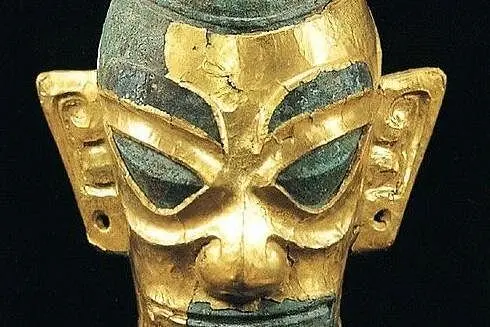
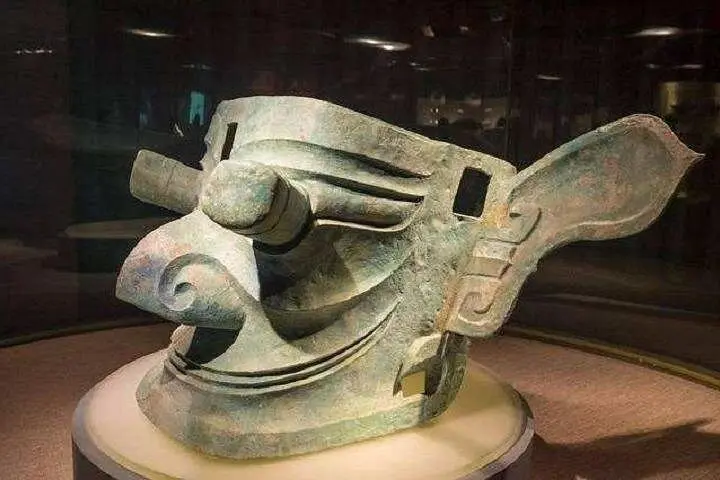
The day unfolds from living nature to deep history. Chengdu’s panda center is a modern conservation facility focused on captive breeding, public education and scientific research. An hour’s drive northeast, Sanxingdui Museum sits on the flat plain of Guanghan where Bronze Age pits revealed oversized masks, ritual bronzes and jade objects in the 1980s—finds that rewrote understanding of early Chinese civilizations and suggest a powerful, distinct culture once dominant in the Sichuan basin.
Expect a balanced day: guided windows at the panda enclosures in the cooler morning, a local lunch, then two hours among exhibition halls and reconstructed artifacts. Travel between sites is by private vehicle, typically 6–8 hours total door‑to‑door depending on Chengdu traffic. Bring layered clothing for changing temperatures, quiet shoes for museum galleries, and a camera with a decent zoom for handheld panda photos.
Practical notes: mornings are best for active animal viewing; museums are busiest midday. Respect signage and keep a gentle distance—both institutions prioritize animal welfare and artifact preservation. This private tour blends wildlife conservation, cultural archaeology and easy logistics for a single, revealing day in Sichuan.
The tour runs about 6–8 hours, including hotel pickup, time at the Chengdu Research Base (around 2–3 hours), lunch and roughly 2 hours at Sanxingdui Museum.
Yes—if cubs are present the nursery and baby garden are part of the guided visit, but cubs are seasonal and viewing depends on breeding schedules and animal welfare protocols.
Yes; the private tour typically includes hotel pickup and drop‑off within Chengdu city limits—confirm your pickup point during booking.
Yes; entry to the Chengdu Research Base and Sanxingdui Museum are included in the tour price as stated in the inclusions.
Samtour of Chengdu OTC Travel operates guided outdoor trips and adventures with an emphasis on safety, stewardship, and memorable experiences.

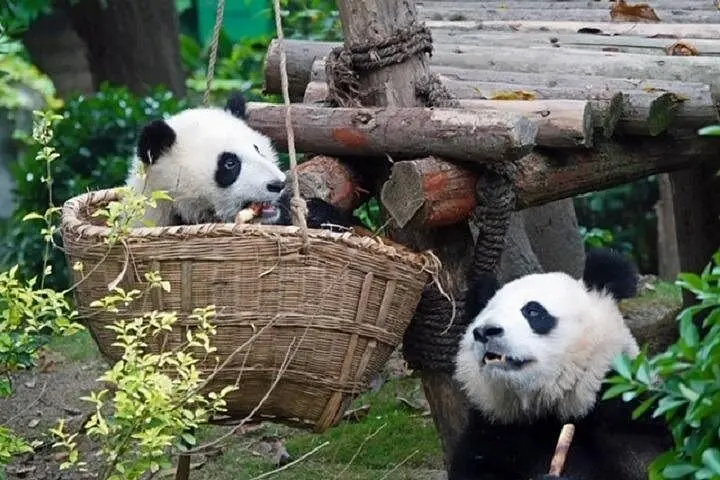
Morning light breaks over a stand of bamboo as you step from an air‑conditioned van into the Chengdu Research Base—pandas wobble toward feeders, cubs tumble in a protected nursery, and the air smells of fresh grass and animal heat. The city’s hum fades; here the animals set the pace and curiosity pulls you through fenced gardens, red panda perches and observation platforms.
Morning light breaks over a stand of bamboo as you step from an air‑conditioned van into the Chengdu Research Base—pandas wobble toward feeders, cubs tumble in a protected nursery, and the air smells of fresh grass and animal heat. The city’s hum fades; here the animals set the pace and curiosity pulls you through fenced gardens, red panda perches and observation platforms.
The day unfolds from living nature to deep history. Chengdu’s panda center is a modern conservation facility focused on captive breeding, public education and scientific research. An hour’s drive northeast, Sanxingdui Museum sits on the flat plain of Guanghan where Bronze Age pits revealed oversized masks, ritual bronzes and jade objects in the 1980s—finds that rewrote understanding of early Chinese civilizations and suggest a powerful, distinct culture once dominant in the Sichuan basin.
Expect a balanced day: guided windows at the panda enclosures in the cooler morning, a local lunch, then two hours among exhibition halls and reconstructed artifacts. Travel between sites is by private vehicle, typically 6–8 hours total door‑to‑door depending on Chengdu traffic. Bring layered clothing for changing temperatures, quiet shoes for museum galleries, and a camera with a decent zoom for handheld panda photos.
Practical notes: mornings are best for active animal viewing; museums are busiest midday. Respect signage and keep a gentle distance—both institutions prioritize animal welfare and artifact preservation. This private tour blends wildlife conservation, cultural archaeology and easy logistics for a single, revealing day in Sichuan.