THE ADVENTURE COLLECTIVE® · Independent discovery and booking for outdoor travel

Walk into Chengdu’s humming wholesale market to smell a hundred chilies, inspect rows of dried herbs, and learn why TCM and spices have shaped regional trade for centuries. This three-hour guided tour blends cultural history with practical tips for navigating vendors and buying ethically.
Walk into Chengdu’s humming wholesale market to smell a hundred chilies, inspect rows of dried herbs, and learn why TCM and spices have shaped regional trade for centuries. This three-hour guided tour blends cultural history with practical tips for navigating vendors and buying ethically.
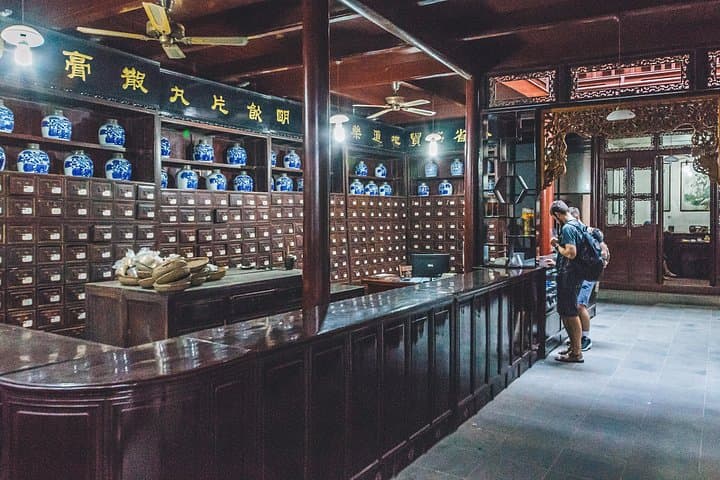
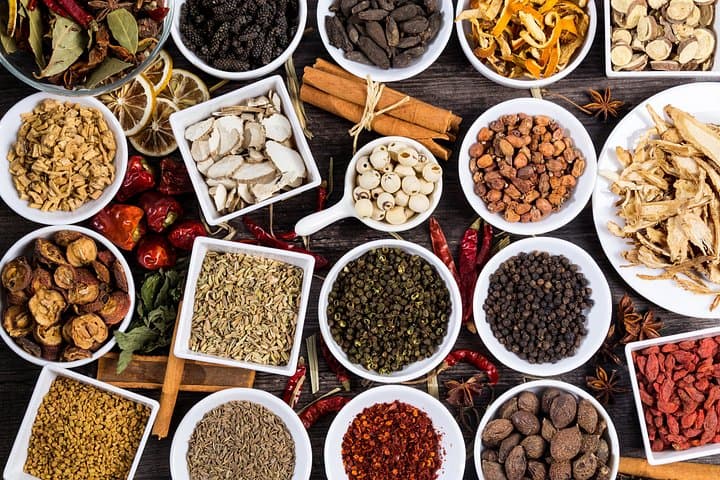
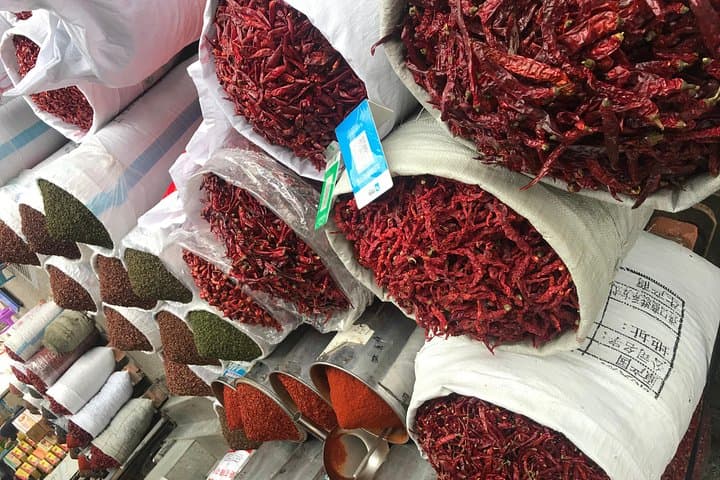
You step off a narrow lane and the market greets you like a living map — piled burlap sacks of chilies, wooden drawers of dried roots, and the sharp citrus of sichuan peppercorns that prickle the air. Stalls crowd under corrugated roofs; vendors call prices while bundles of herbs hang like weathered flags.
Verified experiences and guided adventures in the surrounding area.
Operated by Chilli Cool China · Chengdu, Sichuan
You step off a narrow lane and the market greets you like a living map — piled burlap sacks of chilies, wooden drawers of dried roots, and the sharp citrus of sichuan peppercorns that prickle the air. Stalls crowd under corrugated roofs; vendors call prices while bundles of herbs hang like weathered flags.
Chengdu’s role as a regional trade hub goes back centuries: the Sichuan basin’s climate and varied microregions produce many of the medicinal plants that fed China’s early herbal pharmacopeia. Geology here — fertile alluvial plains cut by rivers — supported dense agriculture and the market networks that transported dried rhizomes and spices inland and along trade routes.
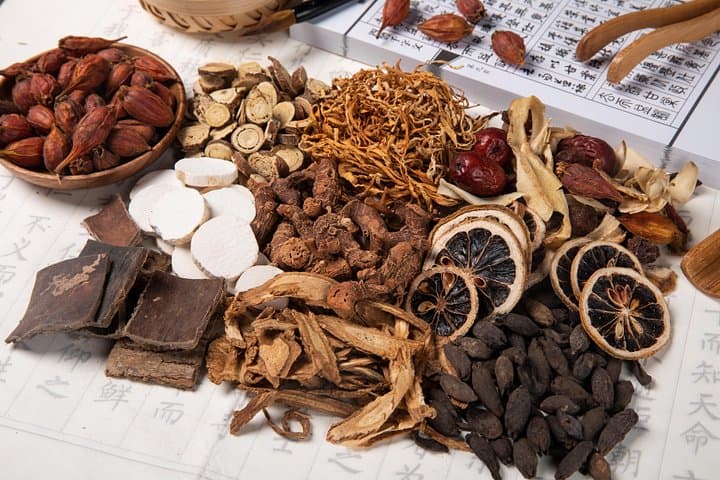
Culturally, a wholesale TCM market is both a pharmacy and a classroom: you’ll see roots labeled with Latin and local names, learn the basic categories in Traditional Chinese Medicine, and encounter regional spice varieties not commonly sold in retail shops.
Practically, expect a three-hour, mostly flat walking tour through covered aisles and adjacent wet-market sections where fresh produce and meat are sold. Bring a face covering if strong aromas bother you, and carry small notes or a mobile payment app — many stalls accept cash or digital payments. Wear comfortable shoes for compacted concrete and occasional slick spots.
Guides explain provenance of key items — Huajiao (Sichuan peppercorn), multiple chili cultivars, and common herbs — and point out sustainability concerns around wild-harvested species. The tour is an efficient, sensory way to understand how food, medicine, and commerce intersect in Chengdu’s living market culture.
Yes — the tour notes indicate wheelchair-accessible areas and transport; confirm specific access needs when booking.
Yes; many vendors sell packaged herbs, but customs rules vary—check your country’s regulations for plant and animal products before purchasing.
An English-speaking guide is included as noted in the tour inclusions; confirm language needs when booking.
Wholesale sellers expect bulk pricing, but for small retail purchases light bargaining is common; asking politely and paying by mobile app or cash is typical.
Chilli Cool China operates guided outdoor trips and adventures with an emphasis on safety, stewardship, and memorable experiences.
You step off a narrow lane and the market greets you like a living map — piled burlap sacks of chilies, wooden drawers of dried roots, and the sharp citrus of sichuan peppercorns that prickle the air. Stalls crowd under corrugated roofs; vendors call prices while bundles of herbs hang like weathered flags.
You step off a narrow lane and the market greets you like a living map — piled burlap sacks of chilies, wooden drawers of dried roots, and the sharp citrus of sichuan peppercorns that prickle the air. Stalls crowd under corrugated roofs; vendors call prices while bundles of herbs hang like weathered flags.
Chengdu’s role as a regional trade hub goes back centuries: the Sichuan basin’s climate and varied microregions produce many of the medicinal plants that fed China’s early herbal pharmacopeia. Geology here — fertile alluvial plains cut by rivers — supported dense agriculture and the market networks that transported dried rhizomes and spices inland and along trade routes.
Culturally, a wholesale TCM market is both a pharmacy and a classroom: you’ll see roots labeled with Latin and local names, learn the basic categories in Traditional Chinese Medicine, and encounter regional spice varieties not commonly sold in retail shops.
Practically, expect a three-hour, mostly flat walking tour through covered aisles and adjacent wet-market sections where fresh produce and meat are sold. Bring a face covering if strong aromas bother you, and carry small notes or a mobile payment app — many stalls accept cash or digital payments. Wear comfortable shoes for compacted concrete and occasional slick spots.
Guides explain provenance of key items — Huajiao (Sichuan peppercorn), multiple chili cultivars, and common herbs — and point out sustainability concerns around wild-harvested species. The tour is an efficient, sensory way to understand how food, medicine, and commerce intersect in Chengdu’s living market culture.