THE ADVENTURE COLLECTIVE® · Independent discovery and booking for outdoor travel

Move from Chengdu’s panda bases and teahouses to Lhasa’s Potala Palace on a guided six-day private tour that pairs wildlife conservation with high‑altitude cultural immersion. Expect acclimatization time, private transfers, and curated visits to Tibet’s major monasteries.
Move from Chengdu’s panda bases and teahouses to Lhasa’s Potala Palace on a guided six-day private tour that pairs wildlife conservation with high‑altitude cultural immersion. Expect acclimatization time, private transfers, and curated visits to Tibet’s major monasteries.
Morning light pours across Chengdu’s quiet avenues as your private car slips away from the city’s teahouses toward the panda enclosures, then hours later the high plateau air of Lhasa greets you—thin, clear, edged with prayer flags.
Verified experiences and guided adventures in the surrounding area.
Operated by happychinatours · Chengdu, Sichuan
Morning light pours across Chengdu’s quiet avenues as your private car slips away from the city’s teahouses toward the panda enclosures, then hours later the high plateau air of Lhasa greets you—thin, clear, edged with prayer flags.
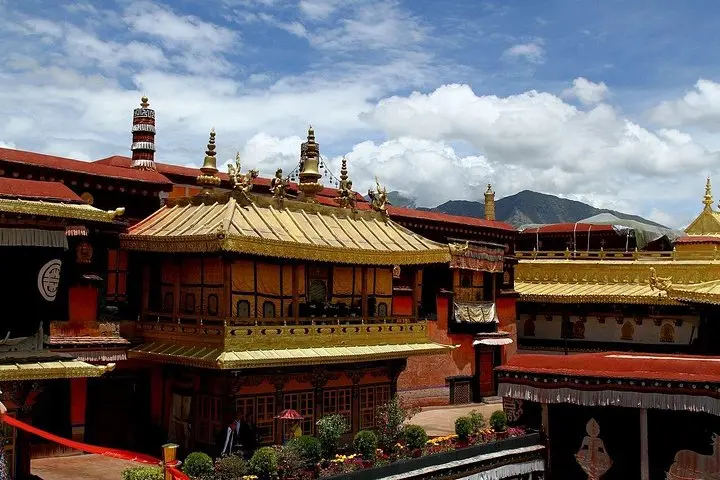
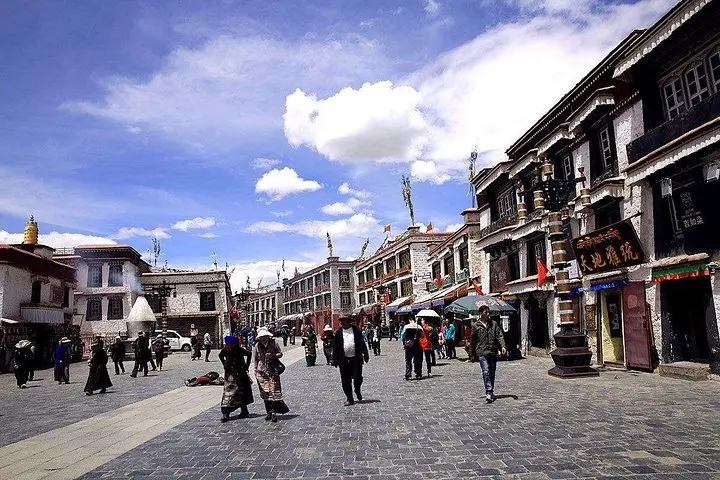
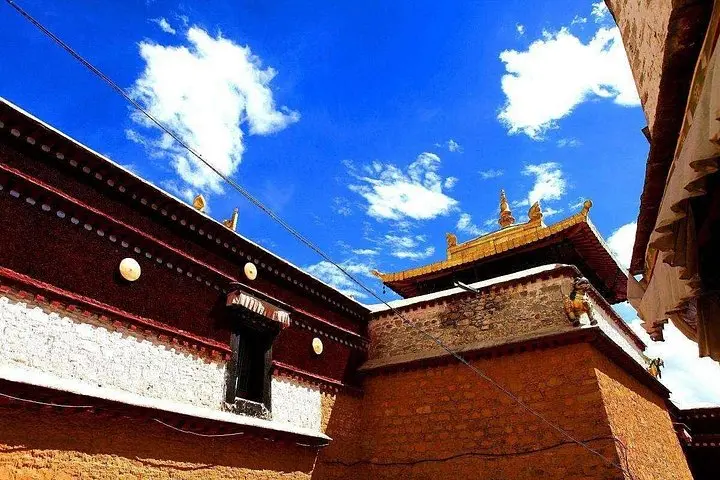
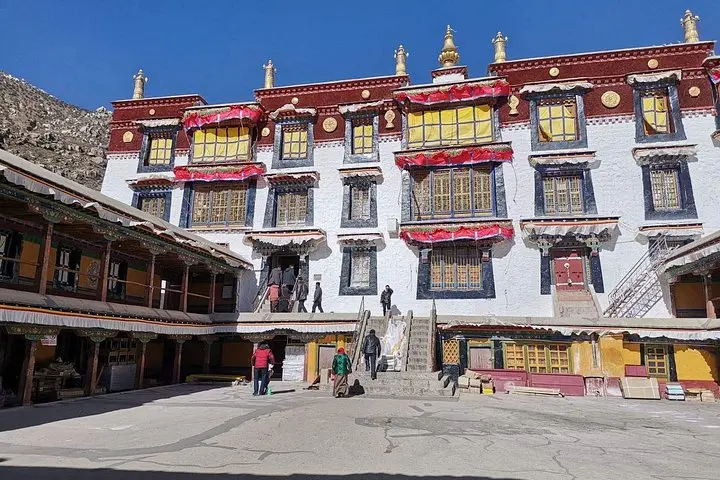
This six-day private tour links Sichuan’s urban culture and panda conservation work with Tibet’s high-altitude religious heart. In Chengdu you’ll move through Renmin Park’s slow tea rhythm and Jinli Old Street’s snack-lined lanes before visiting the Giant Panda Breeding Research Base, a modern conservation site born from decades of captive breeding and post-earthquake rescues. The route then shifts skyward: a flight to Lhasa opens access to Potala Palace, Jokhang Temple, Drepung and Sera monasteries, and the Bakhor circumambulation of pilgrims.
Geology changes as quickly as culture—the fertile Sichuan Basin gives way to rising Tibetan Plateau, where sandstone and glacial valleys push the air thin and the light high-contrast. Local life is centered on Buddhist practice in Lhasa and relaxed teahouse culture in Chengdu; expect markets of prayer beads, yak butter lamps, Sichuan spice, and the visible imprint of centuries of trade and religion.
Practical guide: book at least 10 days ahead for Tibet permit processing, plan a slow first day in Lhasa for acclimatization, and carry original passport details for all bookings. Hydrate, limit exertion for 24–48 hours after arrival, and wear layered clothes—temperatures swing between sun-soaked afternoons and chilly evenings. Your private guide and air-conditioned vehicle handle logistics, leaving you to take in the landscape, temples, and the deliberate rhythm of life on the plateau.
Yes—non-Chinese visitors must have a Tibet Travel Permit arranged through your tour operator; book at least 7–10 working days ahead.
Symptoms vary—mild headache, shortness of breath are common; slow pacing, hydration, and rest help; seek medical help for severe signs.
The tour includes entrance to key sites like the Potala Palace and Jokhang Temple as listed in the itinerary, but confirm specifics at booking.
Yes—this private tour can be tailored to add rest days or slower pacing; request changes at booking and allow extra time for permits.
happychinatours operates guided outdoor trips and adventures with an emphasis on safety, stewardship, and memorable experiences.
Morning light pours across Chengdu’s quiet avenues as your private car slips away from the city’s teahouses toward the panda enclosures, then hours later the high plateau air of Lhasa greets you—thin, clear, edged with prayer flags.
Morning light pours across Chengdu’s quiet avenues as your private car slips away from the city’s teahouses toward the panda enclosures, then hours later the high plateau air of Lhasa greets you—thin, clear, edged with prayer flags.
This six-day private tour links Sichuan’s urban culture and panda conservation work with Tibet’s high-altitude religious heart. In Chengdu you’ll move through Renmin Park’s slow tea rhythm and Jinli Old Street’s snack-lined lanes before visiting the Giant Panda Breeding Research Base, a modern conservation site born from decades of captive breeding and post-earthquake rescues. The route then shifts skyward: a flight to Lhasa opens access to Potala Palace, Jokhang Temple, Drepung and Sera monasteries, and the Bakhor circumambulation of pilgrims.
Geology changes as quickly as culture—the fertile Sichuan Basin gives way to rising Tibetan Plateau, where sandstone and glacial valleys push the air thin and the light high-contrast. Local life is centered on Buddhist practice in Lhasa and relaxed teahouse culture in Chengdu; expect markets of prayer beads, yak butter lamps, Sichuan spice, and the visible imprint of centuries of trade and religion.
Practical guide: book at least 10 days ahead for Tibet permit processing, plan a slow first day in Lhasa for acclimatization, and carry original passport details for all bookings. Hydrate, limit exertion for 24–48 hours after arrival, and wear layered clothes—temperatures swing between sun-soaked afternoons and chilly evenings. Your private guide and air-conditioned vehicle handle logistics, leaving you to take in the landscape, temples, and the deliberate rhythm of life on the plateau.