THE ADVENTURE COLLECTIVE® · Independent discovery and booking for outdoor travel

Step onto the wooden span of Chengyang Wind and Rain Bridge for a direct encounter with Dong carpentry, drum towers, and village life. This private day tour from Guilin pairs a short highway drive with a focused cultural visit to one of Guangxi’s best-preserved Dong communities.
Step onto the wooden span of Chengyang Wind and Rain Bridge for a direct encounter with Dong carpentry, drum towers, and village life. This private day tour from Guilin pairs a short highway drive with a focused cultural visit to one of Guangxi’s best-preserved Dong communities.
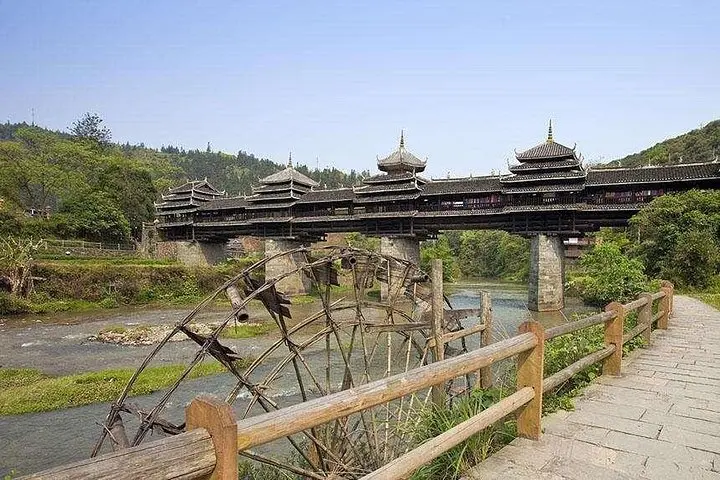
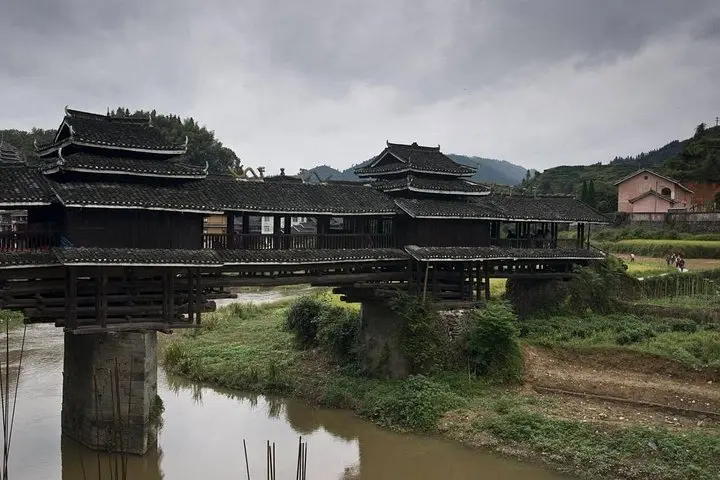
Morning light settles on the wooden planks of the Chengyang Wind and Rain Bridge and the bridge seems to breathe—timbers soaking up centuries of rain and sun as village life unfolds at its feet.
Verified experiences and guided adventures in the surrounding area.
Operated by happychinatours · Sanjiang, Guangxi
Morning light settles on the wooden planks of the Chengyang Wind and Rain Bridge and the bridge seems to breathe—timbers soaking up centuries of rain and sun as village life unfolds at its feet.
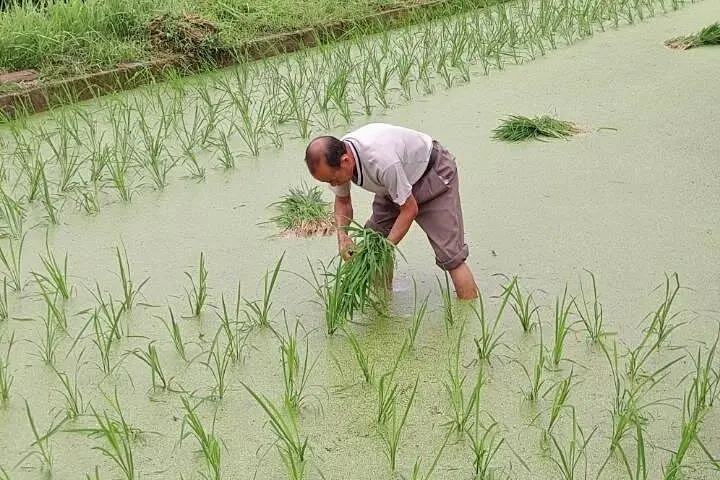
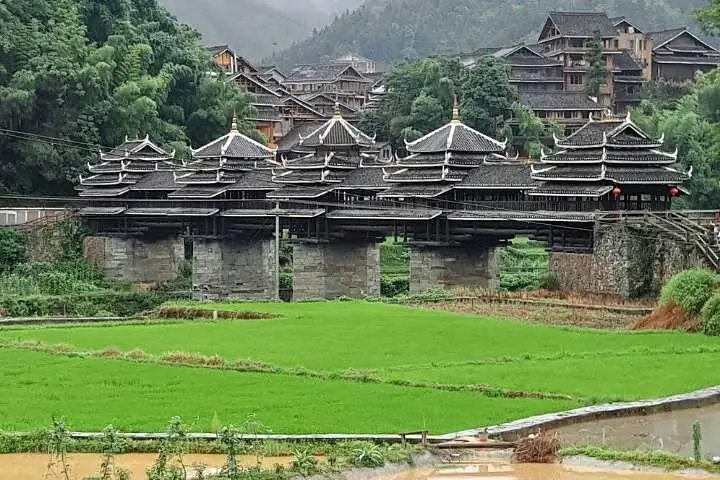
The bridge (built 1916) is more than a crossing: it’s a living example of Dong carpentry, where mortise-and-tenon joins carry roofs and stories without a single nail. The surrounding hills are limestone-pressed, folded by regional tectonics that shaped Guangxi’s karst ridges; rice terraces and patchwork fields slide down into streams that dare you to follow them.
Visitors move through drum towers and covered gallery houses—the social centers of Dong life—where local dress, polyphonic songs, and wooden architecture reveal a people who shaped architecture to weather monsoons and cold winters.
Practically, the private day tour from Guilin (about two hours each way by highway) compresses this cultural immersion into six hours: drive, guided walk across the bridge, visit to village homes, a village lunch, and return. Expect uneven courtyard stones, narrow lanes, and a relaxed pace that rewards curiosity—ask about the bridge’s carpentry and the drum tower’s role in festivals.
Bring a daypack, comfortable shoes, cash for small purchases, and plan to travel early or late in the day to avoid midday heat and maximize soft light for photos. Guides will handle local logistics and translation; travelers should respect private homes and observe local customs when photographing residents.
This is a straightforward, low-impact cultural outing that puts architecture, community, and landscape at the center of the experience.
The tour schedules about two hours each way on the new highway from Guilin; travel time from Yangshuo is roughly 3–3.5 hours each way.
The itinerary includes a village lunch, typically a local home-cooked meal; notify the operator in advance for dietary restrictions.
The supplier notes wheelchair accessibility options, but access on village lanes and traditional homes may be limited—check specifics before booking.
Private guides usually speak English; confirm language competency at booking if you require another language.
happychinatours operates guided outdoor trips and adventures with an emphasis on safety, stewardship, and memorable experiences.
Morning light settles on the wooden planks of the Chengyang Wind and Rain Bridge and the bridge seems to breathe—timbers soaking up centuries of rain and sun as village life unfolds at its feet.
Morning light settles on the wooden planks of the Chengyang Wind and Rain Bridge and the bridge seems to breathe—timbers soaking up centuries of rain and sun as village life unfolds at its feet.
The bridge (built 1916) is more than a crossing: it’s a living example of Dong carpentry, where mortise-and-tenon joins carry roofs and stories without a single nail. The surrounding hills are limestone-pressed, folded by regional tectonics that shaped Guangxi’s karst ridges; rice terraces and patchwork fields slide down into streams that dare you to follow them.
Visitors move through drum towers and covered gallery houses—the social centers of Dong life—where local dress, polyphonic songs, and wooden architecture reveal a people who shaped architecture to weather monsoons and cold winters.
Practically, the private day tour from Guilin (about two hours each way by highway) compresses this cultural immersion into six hours: drive, guided walk across the bridge, visit to village homes, a village lunch, and return. Expect uneven courtyard stones, narrow lanes, and a relaxed pace that rewards curiosity—ask about the bridge’s carpentry and the drum tower’s role in festivals.
Bring a daypack, comfortable shoes, cash for small purchases, and plan to travel early or late in the day to avoid midday heat and maximize soft light for photos. Guides will handle local logistics and translation; travelers should respect private homes and observe local customs when photographing residents.
This is a straightforward, low-impact cultural outing that puts architecture, community, and landscape at the center of the experience.