THE ADVENTURE COLLECTIVE® · Independent discovery and booking for outdoor travel

A full‑day guided loop from Djerba that stitches together Tataouine’s salt lake, Ksar Ouled Soltane, the cliff village of Chenini and the Star Wars filming locations. Ideal for travelers who want culture, quick hikes, and cinematic landscapes in one day.
A full‑day guided loop from Djerba that stitches together Tataouine’s salt lake, Ksar Ouled Soltane, the cliff village of Chenini and the Star Wars filming locations. Ideal for travelers who want culture, quick hikes, and cinematic landscapes in one day.
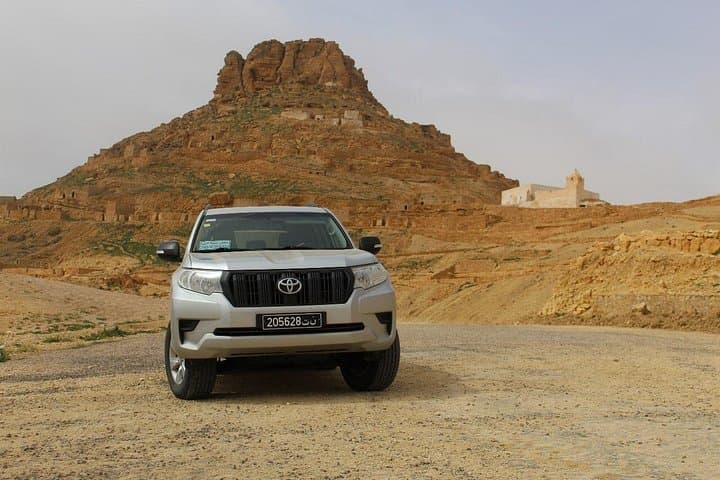
You step out of the air‑conditioned van as the desert unrolls: a flat, bleached plain interrupted by a low saline lake that flashes like a coin and, beyond it, compact villages clinging to rocky ridges. The guide points toward a cluster of beehive granaries and a skyline of stone mosques — this is Tataouine country, where ancient Berber ksour and Roman roadways meet wind‑scoured open space.
Verified experiences and guided adventures in the surrounding area.
Operated by vérité voyages · Tataouine, Tataouine Governorate
You step out of the air‑conditioned van as the desert unrolls: a flat, bleached plain interrupted by a low saline lake that flashes like a coin and, beyond it, compact villages clinging to rocky ridges. The guide points toward a cluster of beehive granaries and a skyline of stone mosques — this is Tataouine country, where ancient Berber ksour and Roman roadways meet wind‑scoured open space.
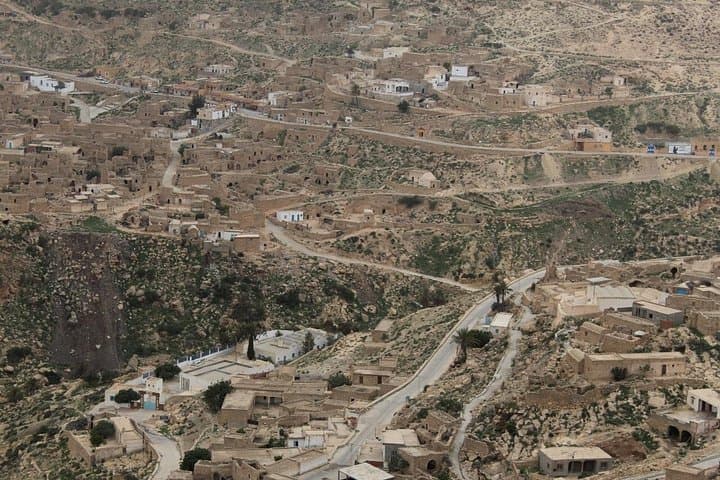
This one‑day route threads several layers of history: Roman caravan tracks, Berber collective granaries (ksour) used for centuries to store grain, and recent pop‑culture notes where Ksar Hadada and surrounding façades doubled for blockbuster sets. Geology here is simple and stark — compacted sands and limestone outcrops eroded into ridges that local builders used as foundations for villages like Chenini.
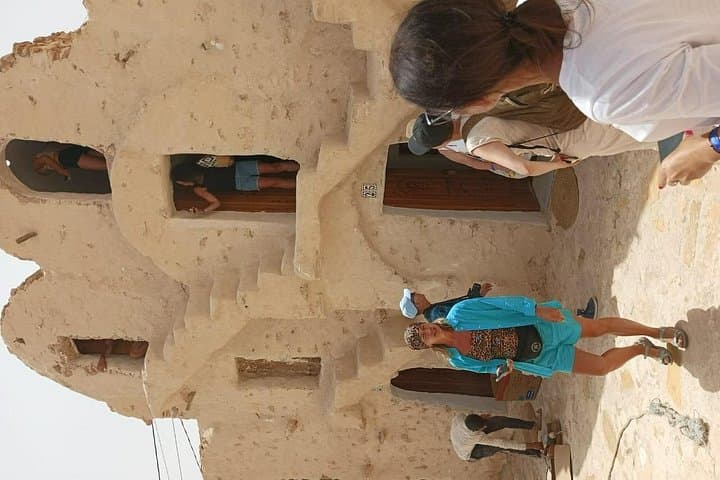
Culture is tactile: mud‑plastered houses, stepped alleyways, and marketplaces where dates and handwoven cloth trade hands. The salt lake at Chahbania invites photos and birdwatching; on some days migrating waterfowl puncture the horizon.
Practical guidance: expect about 10 hours door‑to‑door from Djerba or Zarzis with long stretches by road and short, uneven village walks. Wear sturdy shoes, sun protection, and carry water—shade is rare. Bring Tunisian dinar for market purchases and be ready for brief uphill climbs when visiting mountside mosques and ledges in Chenini.
This is a paced cultural‑landscape day trip: low technical demand, high sensory contrast, and a reliable way to see south Tunisia’s living history in a single, well‑scaffolded outing.
Pick‑ups are typically from hotels in Djerba or Zarzis; the tour returns to your original pickup point at the end of the day.
Only short, uneven walks around villages and viewpoints—no technical hiking is required.
Lunch in Chenini is included as part of the excursion and often features local Tunisian dishes; carry snacks if you have dietary needs.
The tour description notes stroller accessibility for short transfers, but village alleys and steps in Chenini are not stroller‑friendly.
vérité voyages operates guided outdoor trips and adventures with an emphasis on safety, stewardship, and memorable experiences.

You step out of the air‑conditioned van as the desert unrolls: a flat, bleached plain interrupted by a low saline lake that flashes like a coin and, beyond it, compact villages clinging to rocky ridges. The guide points toward a cluster of beehive granaries and a skyline of stone mosques — this is Tataouine country, where ancient Berber ksour and Roman roadways meet wind‑scoured open space.
You step out of the air‑conditioned van as the desert unrolls: a flat, bleached plain interrupted by a low saline lake that flashes like a coin and, beyond it, compact villages clinging to rocky ridges. The guide points toward a cluster of beehive granaries and a skyline of stone mosques — this is Tataouine country, where ancient Berber ksour and Roman roadways meet wind‑scoured open space.
This one‑day route threads several layers of history: Roman caravan tracks, Berber collective granaries (ksour) used for centuries to store grain, and recent pop‑culture notes where Ksar Hadada and surrounding façades doubled for blockbuster sets. Geology here is simple and stark — compacted sands and limestone outcrops eroded into ridges that local builders used as foundations for villages like Chenini.
Culture is tactile: mud‑plastered houses, stepped alleyways, and marketplaces where dates and handwoven cloth trade hands. The salt lake at Chahbania invites photos and birdwatching; on some days migrating waterfowl puncture the horizon.
Practical guidance: expect about 10 hours door‑to‑door from Djerba or Zarzis with long stretches by road and short, uneven village walks. Wear sturdy shoes, sun protection, and carry water—shade is rare. Bring Tunisian dinar for market purchases and be ready for brief uphill climbs when visiting mountside mosques and ledges in Chenini.
This is a paced cultural‑landscape day trip: low technical demand, high sensory contrast, and a reliable way to see south Tunisia’s living history in a single, well‑scaffolded outing.