THE ADVENTURE COLLECTIVE® · Independent discovery and booking for outdoor travel

Learn to find birds by sound on a private 2–3 hour outing from Chennai led by a Cornell-trained sound recordist. Expect early starts, a spotting scope, and hands-on listening techniques in a coastal marsh habitat.
Learn to find birds by sound on a private 2–3 hour outing from Chennai led by a Cornell-trained sound recordist. Expect early starts, a spotting scope, and hands-on listening techniques in a coastal marsh habitat.
Dawn breaks over shallow water and reed beds; the marsh answers with a chorus of sharp clicks, whistles, and low croaks that guide the day’s search. On this short private outing an expert sound recordist leads you to a coastal wetland near Chennai, teaching you to parse calls before the birds appear in the scope’s field.
Verified experiences and guided adventures in the surrounding area.
Operated by The Flamingo Bird Club (TFBC) · Chennai, Tamil Nadu
Dawn breaks over shallow water and reed beds; the marsh answers with a chorus of sharp clicks, whistles, and low croaks that guide the day’s search. On this short private outing an expert sound recordist leads you to a coastal wetland near Chennai, teaching you to parse calls before the birds appear in the scope’s field.
Pallikaranai and nearby wetlands are remnants of the east coast’s seasonal marshes, altered over decades by development but still rich in waterfowl and passerines. The geology is typical coastal alluvium—flat, low-lying ground interlaced by tidal channels—so expect soft mud, brackish pools, and stands of reeds. The cultural context is urban-edge natural history: villagers, anglers, and commuter traffic frame the habitat, and local guides draw on long-term observations and sound archives to find birds where they concentrate.
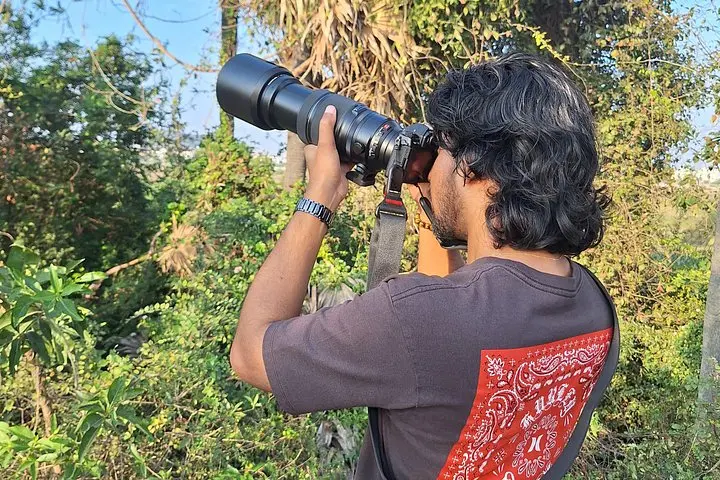
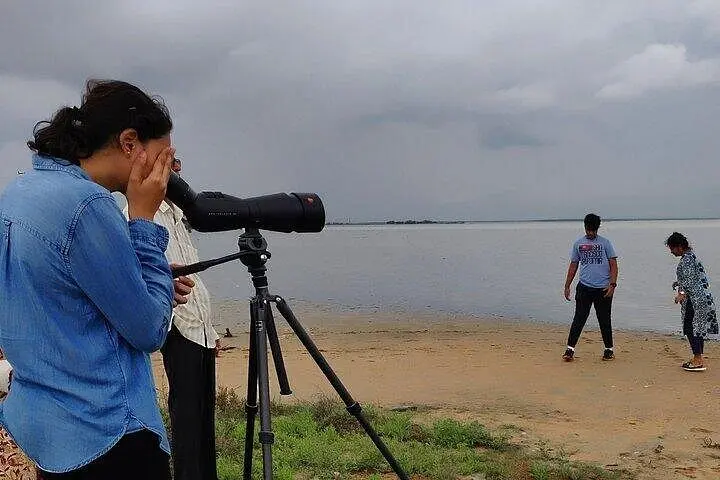
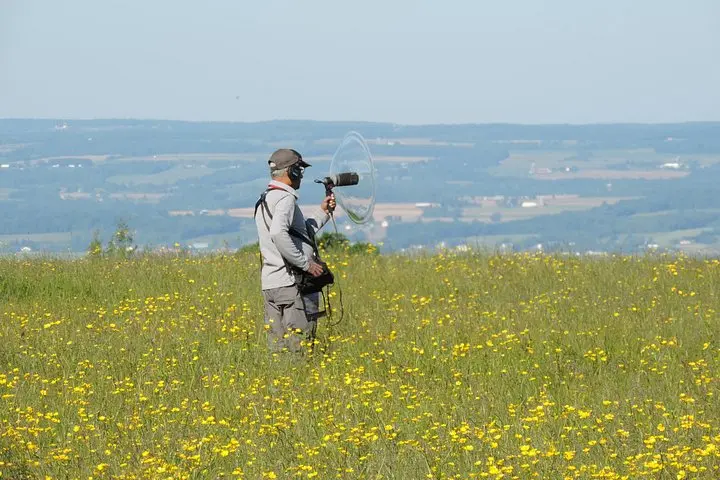
Practical guidance is direct: most sessions start early when birds are vocal and visibility is best; bring a lightweight rain shell in the monsoon, waterproof footwear year-round, and a small tripod if you use the scope. The guide supplies high-end acoustic listening gear and a spotting scope, but binoculars speed up close identification. Walks are short but require steady footing and patience—the activity favors focused listening as much as long lenses. Expect to leave with sharper ears, identification strategies, and views of marsh specialists from kingfishers and herons to waders that probe the mudflats.
Yes—sessions are designed for beginners to experienced birders; the guide teaches sound-based ID and how to use the scope.
Meeting is at a central pickup point in Chennai; the guide typically drives about 30–45 minutes to the selected wetland depending on daily planning.
Yes—the guide supplies high-end acoustic listening devices and a spotting scope; bring your own binoculars if you have them.
The terrain includes uneven, muddy ground and may not be suitable for those with significant mobility restrictions; contact the operator to discuss accommodations.
The Flamingo Bird Club (TFBC) operates guided outdoor trips and adventures with an emphasis on safety, stewardship, and memorable experiences.

Dawn breaks over shallow water and reed beds; the marsh answers with a chorus of sharp clicks, whistles, and low croaks that guide the day’s search. On this short private outing an expert sound recordist leads you to a coastal wetland near Chennai, teaching you to parse calls before the birds appear in the scope’s field.
Dawn breaks over shallow water and reed beds; the marsh answers with a chorus of sharp clicks, whistles, and low croaks that guide the day’s search. On this short private outing an expert sound recordist leads you to a coastal wetland near Chennai, teaching you to parse calls before the birds appear in the scope’s field.
Pallikaranai and nearby wetlands are remnants of the east coast’s seasonal marshes, altered over decades by development but still rich in waterfowl and passerines. The geology is typical coastal alluvium—flat, low-lying ground interlaced by tidal channels—so expect soft mud, brackish pools, and stands of reeds. The cultural context is urban-edge natural history: villagers, anglers, and commuter traffic frame the habitat, and local guides draw on long-term observations and sound archives to find birds where they concentrate.
Practical guidance is direct: most sessions start early when birds are vocal and visibility is best; bring a lightweight rain shell in the monsoon, waterproof footwear year-round, and a small tripod if you use the scope. The guide supplies high-end acoustic listening gear and a spotting scope, but binoculars speed up close identification. Walks are short but require steady footing and patience—the activity favors focused listening as much as long lenses. Expect to leave with sharper ears, identification strategies, and views of marsh specialists from kingfishers and herons to waders that probe the mudflats.