THE ADVENTURE COLLECTIVE® · Independent discovery and booking for outdoor travel

Witness Beijing’s famous cherry blossom display at Yuyuantan Park on a guided 3-hour half-day tour. Expect lakeside promenades, varieties of cherry trees gifted in the 1970s, and peak blooms from late March to mid-April.
Witness Beijing’s famous cherry blossom display at Yuyuantan Park on a guided 3-hour half-day tour. Expect lakeside promenades, varieties of cherry trees gifted in the 1970s, and peak blooms from late March to mid-April.
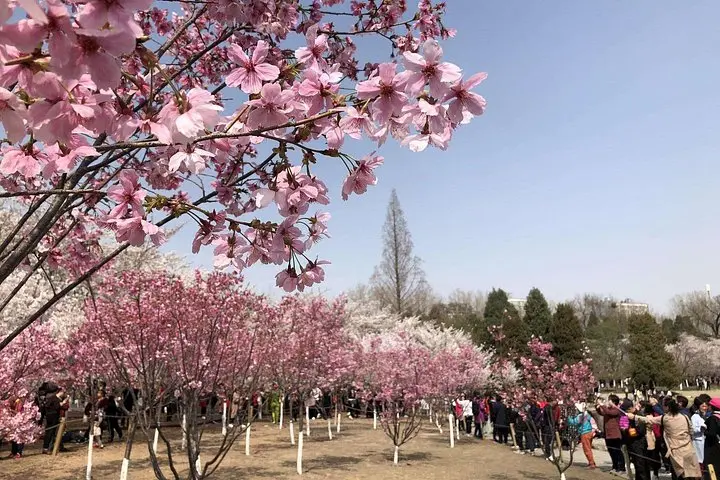
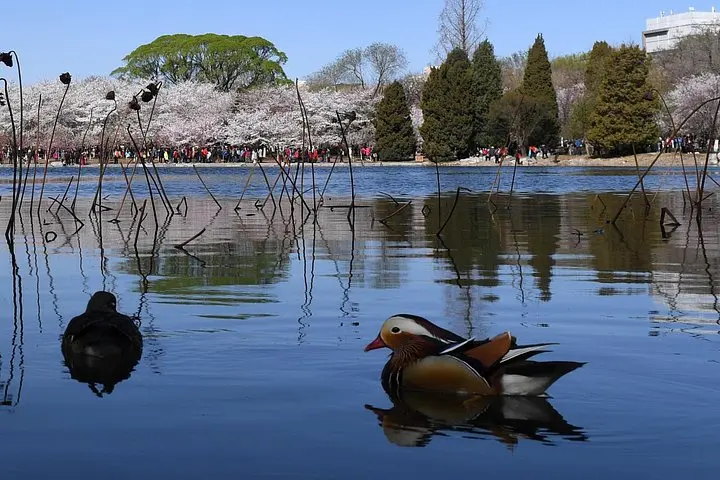
Step off a Beijing subway and into a corridor of pink — Yuyuantan Park’s avenues of cherry trees push their branches toward the sky like a crowd straining for a better view. In spring the park’s lakes catch petals like coin in a fountain, the water daring you to slow down and look.
Verified experiences and guided adventures in the surrounding area.
Operated by Catherine Lu Tours · Beijing, Beijing
Step off a Beijing subway and into a corridor of pink — Yuyuantan Park’s avenues of cherry trees push their branches toward the sky like a crowd straining for a better view. In spring the park’s lakes catch petals like coin in a fountain, the water daring you to slow down and look.
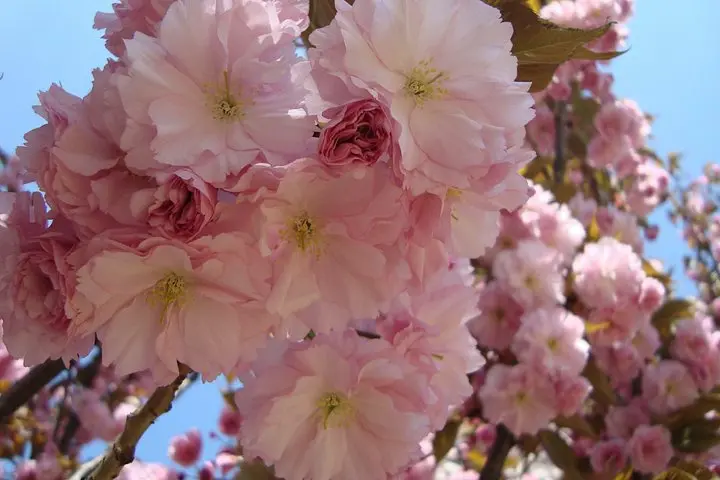
Yuyuantan sits in Haidian District on ground shaped by ancient river terraces and modern landscape design. The park’s cherry collection includes nearly 2,000 trees and over 20 species, many planted as diplomatic gifts from Japan in the 1970s; those trees carry a modest cultural weight in Beijing’s spring calendar. Beds of tulips and lupines fill the understory, and broad promenades trace the shoreline of small lakes and islands that were reworked into public gardens during twentieth-century urban planning.
On a guided half-day you’ll stroll established paths, pause at photogenic pavilions, and learn when different cultivars peak — typically March 30 to April 20. The experience is low-impact walking rather than a hike: expect paved paths, short inclines and crowds during festival weekends.
Practical notes: arrive early on weekends to beat the busiest hours, take the subway to avoid parking hassles, and bring a compact rain jacket and a camera with a fast lens for low-light flowering canopies. Respect the trees — do not climb or pick blossoms — and plan 2–3 hours for a relaxed circuit that includes transit time to and from central Beijing. In short: vivid spring spectacle with easy logistics and strong photo opportunities.
Yes — entrance to Yuyuantan Park is included in the tour price as listed.
The itinerary usually has you meet at a central Beijing hotel; you then take public transit or taxi to the park at your own expense.
Peak bloom is typically March 30–April 20, but exact timing varies by cultivar and year; blooms can last roughly a week per tree.
Yes — the route is low-impact paved paths with minimal elevation; it's suitable for most ages and fitness levels.
Catherine Lu Tours operates guided outdoor trips and adventures with an emphasis on safety, stewardship, and memorable experiences.
Step off a Beijing subway and into a corridor of pink — Yuyuantan Park’s avenues of cherry trees push their branches toward the sky like a crowd straining for a better view. In spring the park’s lakes catch petals like coin in a fountain, the water daring you to slow down and look.
Step off a Beijing subway and into a corridor of pink — Yuyuantan Park’s avenues of cherry trees push their branches toward the sky like a crowd straining for a better view. In spring the park’s lakes catch petals like coin in a fountain, the water daring you to slow down and look.
Yuyuantan sits in Haidian District on ground shaped by ancient river terraces and modern landscape design. The park’s cherry collection includes nearly 2,000 trees and over 20 species, many planted as diplomatic gifts from Japan in the 1970s; those trees carry a modest cultural weight in Beijing’s spring calendar. Beds of tulips and lupines fill the understory, and broad promenades trace the shoreline of small lakes and islands that were reworked into public gardens during twentieth-century urban planning.
On a guided half-day you’ll stroll established paths, pause at photogenic pavilions, and learn when different cultivars peak — typically March 30 to April 20. The experience is low-impact walking rather than a hike: expect paved paths, short inclines and crowds during festival weekends.
Practical notes: arrive early on weekends to beat the busiest hours, take the subway to avoid parking hassles, and bring a compact rain jacket and a camera with a fast lens for low-light flowering canopies. Respect the trees — do not climb or pick blossoms — and plan 2–3 hours for a relaxed circuit that includes transit time to and from central Beijing. In short: vivid spring spectacle with easy logistics and strong photo opportunities.