
Cherry Blossoms of Gilgit-Baltistan: 8-Day Hunza & Northern Pakistan Spring Tour
Experience spring in the high north: an 8-day road tour through Hunza, Attabad Lake, Hooper Valley and Khunjerab where cherry blossoms meet 7,000‑m peaks. Long drives, short hikes and dramatic photo stops define this accessible spring circuit.
An Adventure In Karimabad (Hunza).
Experience spring in the high north: an 8-day road tour through Hunza, Attabad Lake, Hooper Valley and Khunjerab where cherry blossoms meet 7,000‑m peaks. Long drives, short hikes and dramatic photo stops define this accessible spring circuit.
Read the full experience
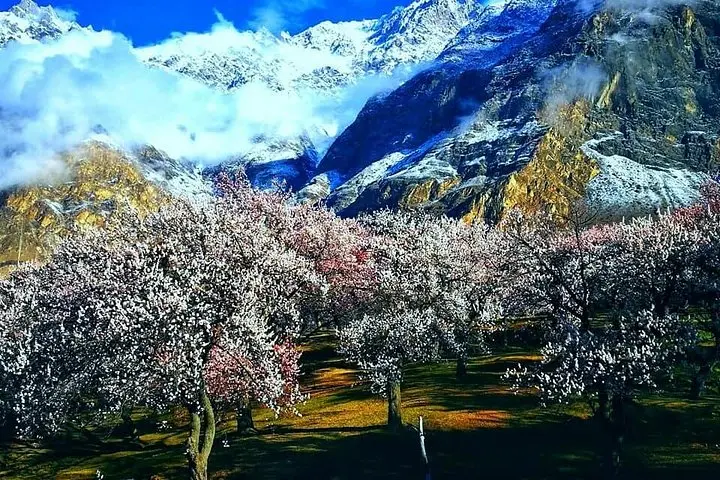
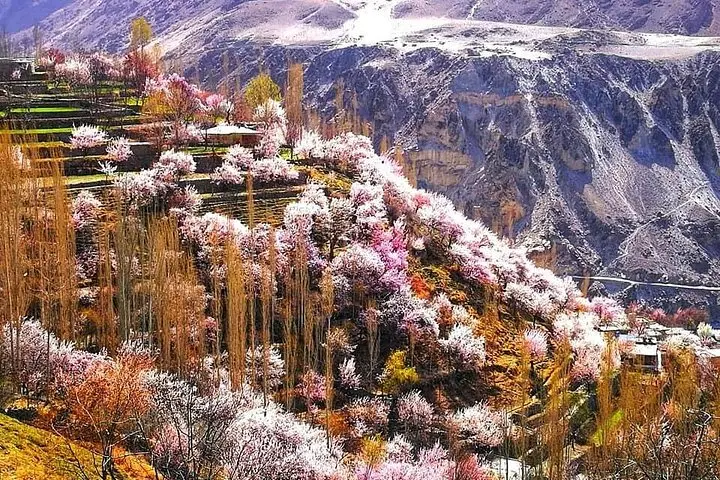
A cool morning on the Karakoram Highway puts you at the wheel of a different season: cherry trees lining terraced fields, pale petals drifting against a backdrop of ice-sculpted peaks. The road climbs and opens — Attabad Lake flashes turquoise where the river dared to change course; the Passu Cones rise like serrated teeth; Karimabad looks down from its ridge with fort ruins catching the first light.
A cool morning on the Karakoram Highway puts you at the wheel of a different season: cherry trees lining terraced fields, pale petals drifting against a backdrop of ice-sculpted peaks. The road climbs and opens — Attabad Lake flashes turquoise where the river dared to change course; the Passu Cones rise like serrated teeth; Karimabad looks down from its ridge with fort ruins catching the first light.
This route follows centuries of trade and culture where the Karakoram meets the Himalaya and Hindu Kush. Hunza’s stone forts (Baltit and Altit) and the Ismaili communities nearby hold stories of Silk Road travelers; geologically, the landscape is young, carved by glaciers that still feed the fast, cold streams below. Locals celebrate spring with orchard pruning and fruit-tree blooms — cherries, apricots and almonds that appear after a long winter.
Practical guidance: this is a road-based, multi-day itinerary with short hikes (Hooper Valley trek to the glacier viewpoint). Expect long vehicle days across high passes — Khunjerab reaches roughly 4,700 m (15,500 ft) — so pace yourself for altitude and bring layered clothing for wind and sun. Photography windows are frequent; dawn and late afternoon light make mountain faces and blossoms glow. Cash is useful in remote bazaars; remote-signal patches mean offline maps and a printed itinerary help. Respect private orchards and pack out waste: these high valleys are fragile. With basic acclimatization and sensible gear, the trip is an accessible, vivid way to witness Pakistan’s spring bloom and the raw geometry of the high north.
Frequently asked questions
Blossom timing varies year-to-year, but most trees bloom between mid-April and late May at lower valley elevations.
No specialized fitness is required for the itinerary’s short walks, but you should be comfortable with long vehicle days and light trekking on uneven terrain.
Foreign travelers should carry passports and any required visa documents; the pass is a public border crossing but conditions and documentation requirements can change, so check ahead.
Even in spring, nights can drop near or below freezing at higher stops such as Passu and Khunjerab; bring warm layers and a hat.
About This Experience
Hunza Trek & Tours operates guided outdoor trips and adventures with an emphasis on safety, stewardship, and memorable experiences.
Adventure tips
Recommended gear
- Layered clothing (base, insulating, windproof): Temperature swings are large between dawn and afternoon at high altitude.
- Sturdy hiking shoes: Needed for short treks, moraine paths and village trails around Hooper Valley and fort sites.
- Daypack with hydration: Keeps water, snacks, camera and a light shell accessible during stops and short hikes.
- Sun protection (hat, sunglasses, SPF): Strong mountain sun and reflection from snow increase UV exposure at altitude.
Photos of the experience
Related adventures & guides
Read the full experience
A cool morning on the Karakoram Highway puts you at the wheel of a different season: cherry trees lining terraced fields, pale petals drifting against a backdrop of ice-sculpted peaks. The road climbs and opens — Attabad Lake flashes turquoise where the river dared to change course; the Passu Cones rise like serrated teeth; Karimabad looks down from its ridge with fort ruins catching the first light.
A cool morning on the Karakoram Highway puts you at the wheel of a different season: cherry trees lining terraced fields, pale petals drifting against a backdrop of ice-sculpted peaks. The road climbs and opens — Attabad Lake flashes turquoise where the river dared to change course; the Passu Cones rise like serrated teeth; Karimabad looks down from its ridge with fort ruins catching the first light.
This route follows centuries of trade and culture where the Karakoram meets the Himalaya and Hindu Kush. Hunza’s stone forts (Baltit and Altit) and the Ismaili communities nearby hold stories of Silk Road travelers; geologically, the landscape is young, carved by glaciers that still feed the fast, cold streams below. Locals celebrate spring with orchard pruning and fruit-tree blooms — cherries, apricots and almonds that appear after a long winter.
Practical guidance: this is a road-based, multi-day itinerary with short hikes (Hooper Valley trek to the glacier viewpoint). Expect long vehicle days across high passes — Khunjerab reaches roughly 4,700 m (15,500 ft) — so pace yourself for altitude and bring layered clothing for wind and sun. Photography windows are frequent; dawn and late afternoon light make mountain faces and blossoms glow. Cash is useful in remote bazaars; remote-signal patches mean offline maps and a printed itinerary help. Respect private orchards and pack out waste: these high valleys are fragile. With basic acclimatization and sensible gear, the trip is an accessible, vivid way to witness Pakistan’s spring bloom and the raw geometry of the high north.
Make a day of it nearby.
Verified experiences and guided adventures in the surrounding area.