THE ADVENTURE COLLECTIVE® · Independent discovery and booking for outdoor travel

Head out before the crowds on a small-group snorkel cruise that prioritizes time in the water. Expect turtle encounters, coral-fringed wrecks, and an early-morning quiet that big boats miss.
Head out before the crowds on a small-group snorkel cruise that prioritizes time in the water. Expect turtle encounters, coral-fringed wrecks, and an early-morning quiet that big boats miss.
Dawn breaks over flat turquoise, and the catamaran slips away from shore while the island still sleeps. Salt stings on your lips, gulls wheel above the bow, and the ocean seems to be holding its breath—this is the window Che’s crew exploits to put snorkelers in the water before the party boats arrive.
Verified experiences and guided adventures in the surrounding area.
Operated by Che’s Surf School Barbados · Bridgetown, Saint Michael
Dawn breaks over flat turquoise, and the catamaran slips away from shore while the island still sleeps. Salt stings on your lips, gulls wheel above the bow, and the ocean seems to be holding its breath—this is the window Che’s crew exploits to put snorkelers in the water before the party boats arrive.
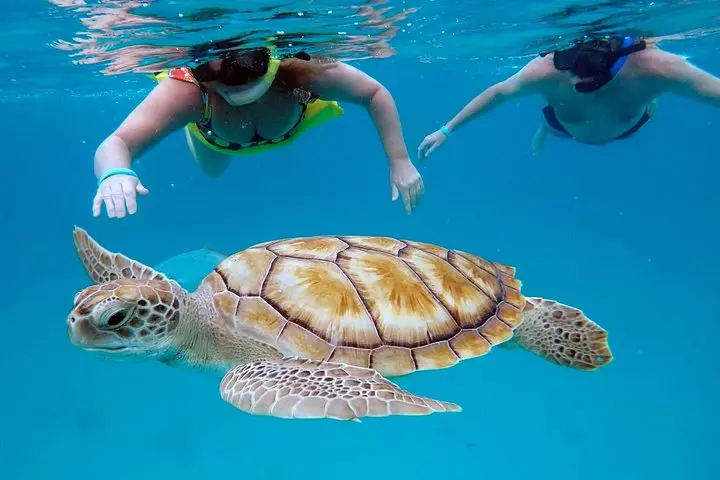
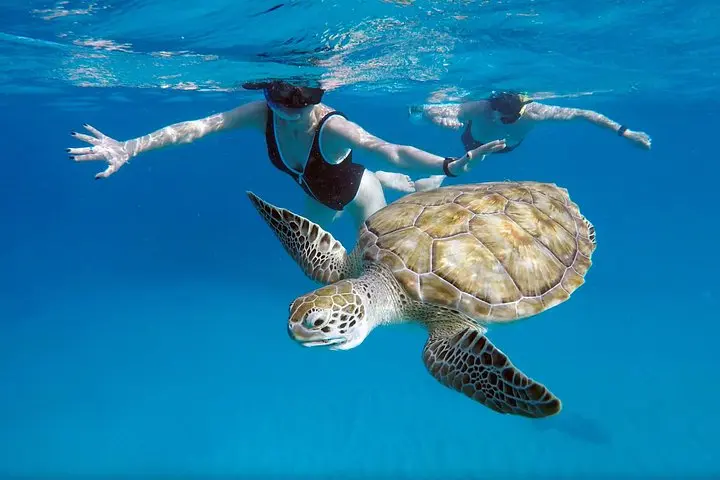
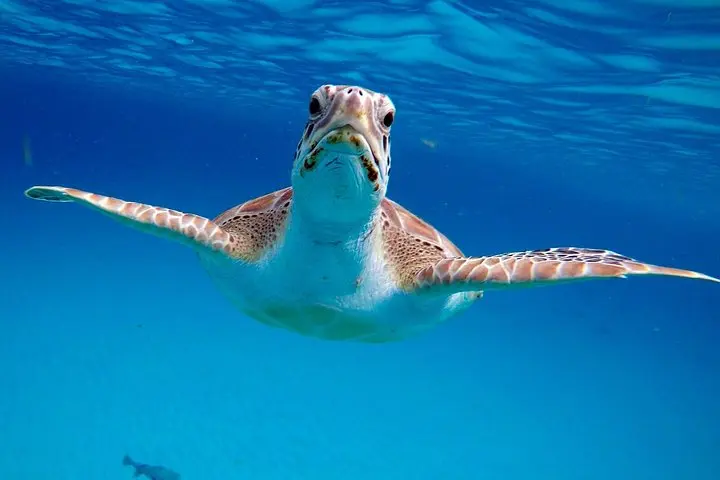
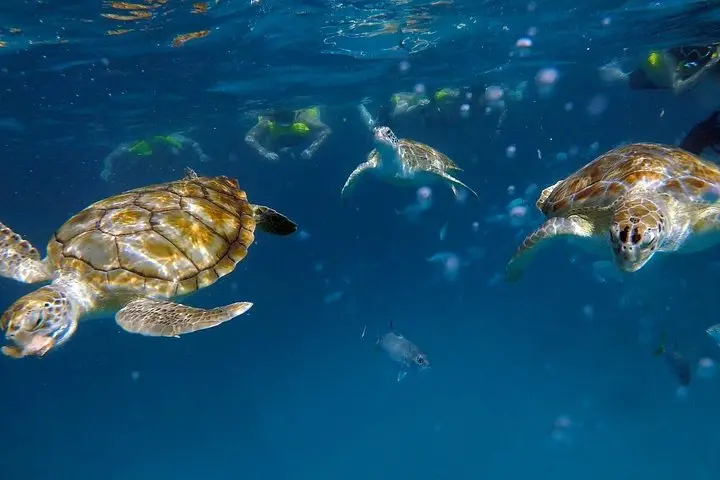
Barbados’ fringing reefs grew from ancient coral platforms around a limestone island carved by waves and time. Shipwrecks here are often relics of colonial trade and storms, now colonized by brain coral and schools of parrotfish. The tour’s two main stops typically include a protected turtle habitat—where green and hawksbill turtles graze sea grass—and nearby wrecks that attract rays, snapper, and cleaner wrasse.
Locally run, the trip reflects a casual Bajan sea culture: salty, welcoming, and practical. Che and his small crew keep groups down to about ten, prioritizing long snorkel time and an ethical distance from wildlife. The itinerary is simple—board, brief safety talk, snorkel at turtles, then move to wrecks and reef—paired with light snacks and an onboard photographer when conditions allow.
Practicalities: be an able swimmer and climb a ladder; trips start early to catch calm water; bring reef‑safe sunscreen, a towel, and a waterproof bag for your phone. Respect the animals—no chasing or touching turtles—and heed the crew’s guidance on currents and exit points. If you want cleaner photos and fewer crowds, this is the kind of small-boat, snorkel-focused morning that delivers both encounters and solitude.
No—turtles are wild animals and sightings cannot be guaranteed, but this operator targets known turtle habitats at calm times of day to maximize encounters.
Yes—free safari truck pickup is available within the operator’s zone; confirm pickup location and time when you book.
Guests must be between 6 and 70 years old, able to swim well, and not exceed 220 lbs due to vessel limits; participants must be fit enough to climb the boarding ladder.
Life jackets are provided but not mandatory; crew will advise based on guest comfort and sea conditions—non-swimmers are not recommended.
Che’s Surf School Barbados operates guided outdoor trips and adventures with an emphasis on safety, stewardship, and memorable experiences.
Dawn breaks over flat turquoise, and the catamaran slips away from shore while the island still sleeps. Salt stings on your lips, gulls wheel above the bow, and the ocean seems to be holding its breath—this is the window Che’s crew exploits to put snorkelers in the water before the party boats arrive.
Dawn breaks over flat turquoise, and the catamaran slips away from shore while the island still sleeps. Salt stings on your lips, gulls wheel above the bow, and the ocean seems to be holding its breath—this is the window Che’s crew exploits to put snorkelers in the water before the party boats arrive.
Barbados’ fringing reefs grew from ancient coral platforms around a limestone island carved by waves and time. Shipwrecks here are often relics of colonial trade and storms, now colonized by brain coral and schools of parrotfish. The tour’s two main stops typically include a protected turtle habitat—where green and hawksbill turtles graze sea grass—and nearby wrecks that attract rays, snapper, and cleaner wrasse.
Locally run, the trip reflects a casual Bajan sea culture: salty, welcoming, and practical. Che and his small crew keep groups down to about ten, prioritizing long snorkel time and an ethical distance from wildlife. The itinerary is simple—board, brief safety talk, snorkel at turtles, then move to wrecks and reef—paired with light snacks and an onboard photographer when conditions allow.
Practicalities: be an able swimmer and climb a ladder; trips start early to catch calm water; bring reef‑safe sunscreen, a towel, and a waterproof bag for your phone. Respect the animals—no chasing or touching turtles—and heed the crew’s guidance on currents and exit points. If you want cleaner photos and fewer crowds, this is the kind of small-boat, snorkel-focused morning that delivers both encounters and solitude.