THE ADVENTURE COLLECTIVE® · Independent discovery and booking for outdoor travel

Explore five distinct hill-tribe villages and Chiang Dao Cave on an immersive day trip from Chiang Mai. This guided tour combines culture, karst geology and a butterfly and orchid greenhouse in a single eight-hour outing.
Explore five distinct hill-tribe villages and Chiang Dao Cave on an immersive day trip from Chiang Mai. This guided tour combines culture, karst geology and a butterfly and orchid greenhouse in a single eight-hour outing.
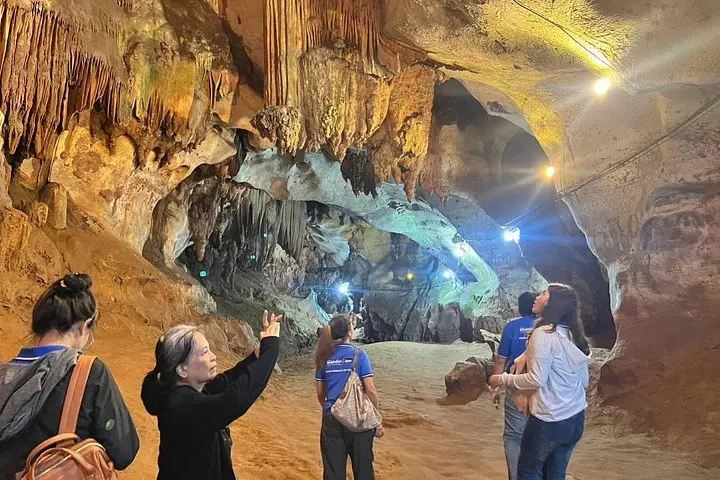
By dawn the minivan slips out of Chiang Mai’s Old City and the road narrows into limestone peaks; by midmorning you stand at the mouth of Chiang Dao Cave with a rented lantern humming in your palm and cool, damp air daring you to step deeper.
Verified experiences and guided adventures in the surrounding area.
Operated by WanderSiam · Chiang Dao, Chiang Mai Province
By dawn the minivan slips out of Chiang Mai’s Old City and the road narrows into limestone peaks; by midmorning you stand at the mouth of Chiang Dao Cave with a rented lantern humming in your palm and cool, damp air daring you to step deeper.
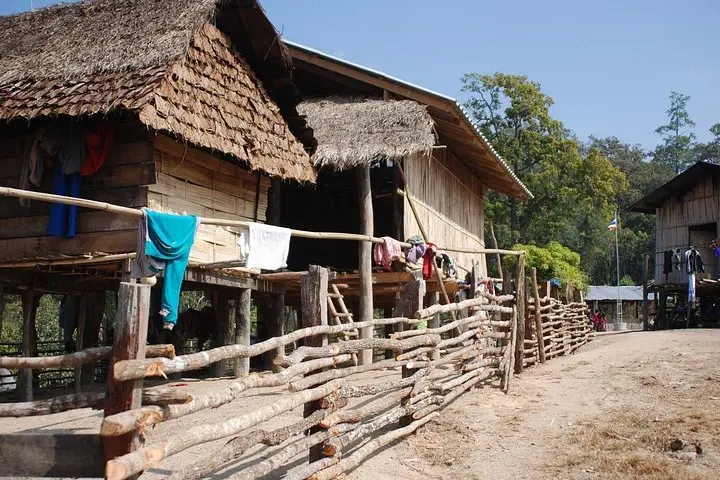
This full-day loop pairs a hands-on cultural visit with a geological one. The hill tribe cluster at Ban Huai I-Ko presents Akha, Meo (Hmong), Lisu, Palong and Karen households—simple timber homes, vegetable plots and village schools where daily life follows agricultural rhythms. Chiang Dao Cave, one of northern Thailand’s largest caverns, is a karst system carved over millennia; stalactites and stalagmites grow slowly into chandeliers and columns while narrow passages demand crouches and cautious crawling.
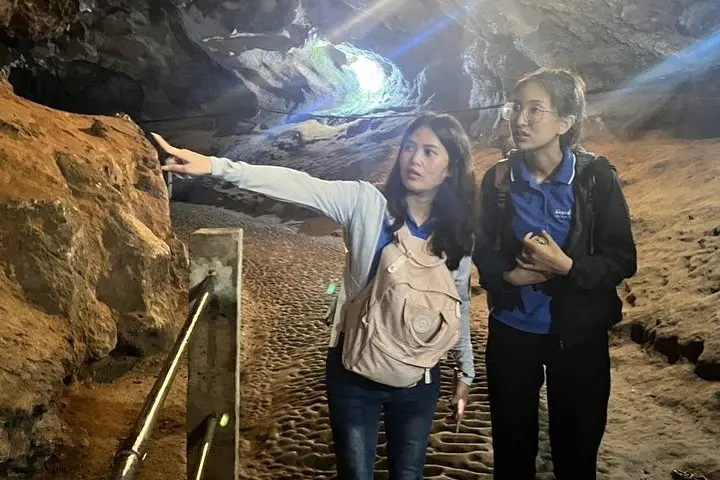
Expect an accessible but active day: three village stops, an orchid and butterfly greenhouse, and a guided cave walk that includes tight sections. Guides explain local customs, ancestral hill-front legends and the cave’s role in local ritual life. Birdsong and butterflies punctuate village lanes; limestone cliffs keep the weather changeable.
Practical side: the tour runs about eight hours with hotel pickup in Chiang Mai Old City. Wear closed-toe shoes, carry water and a light rain layer during monsoon months. Travelers with claustrophobia or serious spine issues should opt out of the cave crawl—two passages require crawling. Bring small cash for village souvenirs and expect translated English interpretation by licensed guides. The day is equal parts cultural exchange and outdoor movement—an accessible way to see rural northern Thailand beyond the city.
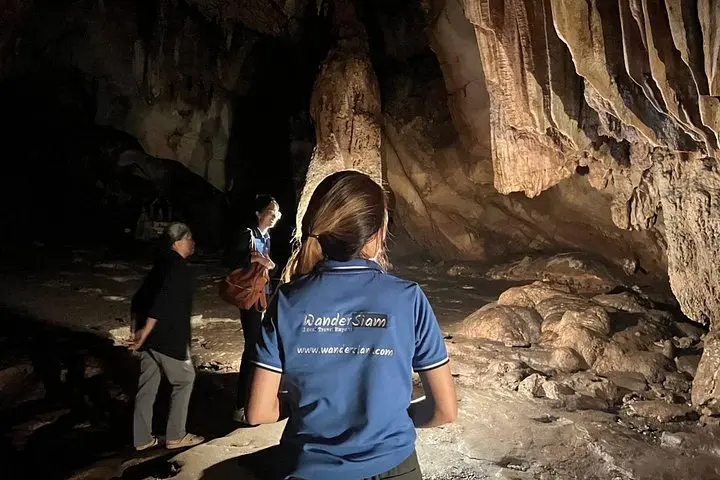
The cave portion is guided and typically lasts about 2–3 hours; there are two narrow passages where you must crouch or crawl—those with claustrophobia should avoid these sections.
Yes — pick up and drop off in Chiang Mai Old City (meeting point near Tha Pae Gate) are included; exact pickup time is sent the day before.
Guides are local and facilitate respectful interaction; visitors should ask before photographing people and follow any instructions about entering homes or sacred spaces.
Infants must sit on laps; the tour involves walking and some crawling, so it’s best for children who can manage uneven terrain and small confined spaces.
WanderSiam operates guided outdoor trips and adventures with an emphasis on safety, stewardship, and memorable experiences.
By dawn the minivan slips out of Chiang Mai’s Old City and the road narrows into limestone peaks; by midmorning you stand at the mouth of Chiang Dao Cave with a rented lantern humming in your palm and cool, damp air daring you to step deeper.
By dawn the minivan slips out of Chiang Mai’s Old City and the road narrows into limestone peaks; by midmorning you stand at the mouth of Chiang Dao Cave with a rented lantern humming in your palm and cool, damp air daring you to step deeper.
This full-day loop pairs a hands-on cultural visit with a geological one. The hill tribe cluster at Ban Huai I-Ko presents Akha, Meo (Hmong), Lisu, Palong and Karen households—simple timber homes, vegetable plots and village schools where daily life follows agricultural rhythms. Chiang Dao Cave, one of northern Thailand’s largest caverns, is a karst system carved over millennia; stalactites and stalagmites grow slowly into chandeliers and columns while narrow passages demand crouches and cautious crawling.
Expect an accessible but active day: three village stops, an orchid and butterfly greenhouse, and a guided cave walk that includes tight sections. Guides explain local customs, ancestral hill-front legends and the cave’s role in local ritual life. Birdsong and butterflies punctuate village lanes; limestone cliffs keep the weather changeable.
Practical side: the tour runs about eight hours with hotel pickup in Chiang Mai Old City. Wear closed-toe shoes, carry water and a light rain layer during monsoon months. Travelers with claustrophobia or serious spine issues should opt out of the cave crawl—two passages require crawling. Bring small cash for village souvenirs and expect translated English interpretation by licensed guides. The day is equal parts cultural exchange and outdoor movement—an accessible way to see rural northern Thailand beyond the city.