THE ADVENTURE COLLECTIVE® · Independent discovery and booking for outdoor travel

Spend a full day exploring Chiang Dao’s cavernous limestone caves before paddling the peaceful Mae Ping through bamboo-lined banks. This combined caving and kayaking trip blends cultural history, karst geology, and an accessible river paddle for a rewarding Chiang Mai day trip.
Spend a full day exploring Chiang Dao’s cavernous limestone caves before paddling the peaceful Mae Ping through bamboo-lined banks. This combined caving and kayaking trip blends cultural history, karst geology, and an accessible river paddle for a rewarding Chiang Mai day trip.
You step out of the van into a cool limestone mouth where light slants across damp rock and the smell of earth hangs heavy. Inside Chiang Dao Cave the ceiling opens into cathedral-sized chambers punctuated by Buddhist shrines; bats stir in the dark and a local guide traces the tunnel history while headlamps pick out calcite ribs.
Verified experiences and guided adventures in the surrounding area.
Operated by Chiang Mai Mountain Biking & Kayaks · Chiang Mai, Chiang Mai Province
You step out of the van into a cool limestone mouth where light slants across damp rock and the smell of earth hangs heavy. Inside Chiang Dao Cave the ceiling opens into cathedral-sized chambers punctuated by Buddhist shrines; bats stir in the dark and a local guide traces the tunnel history while headlamps pick out calcite ribs.
The cave’s story is both geological and cultural: formed by karst dissolution over millennia, its primary chambers have been a pilgrimage site for roughly 300 years since a Burmese monk first mapped its passages. The surrounding district is defined by jagged limestone spires and rice terraces; the return drive to Chiang Mai crosses forested ridgelines where hill‑tribe farms and roadside markets mark daily life.
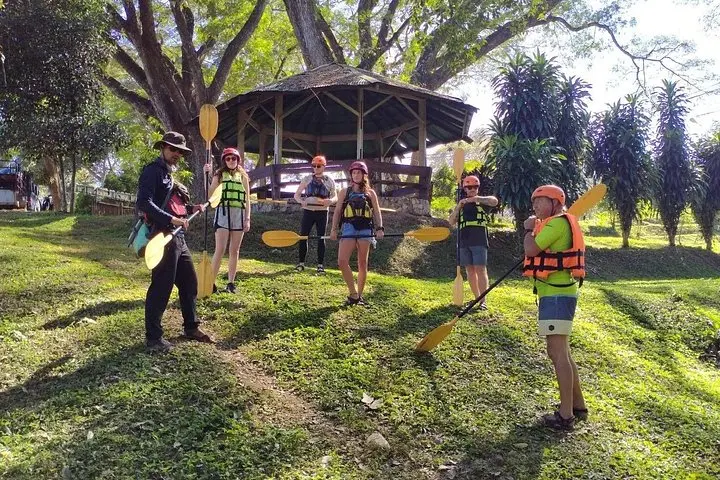
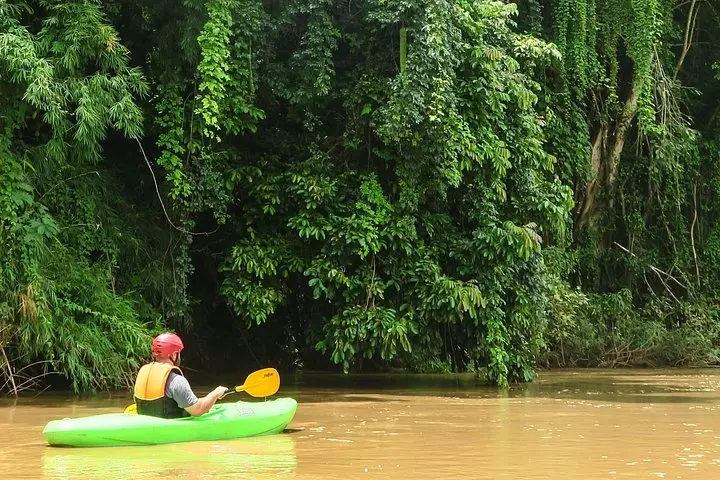
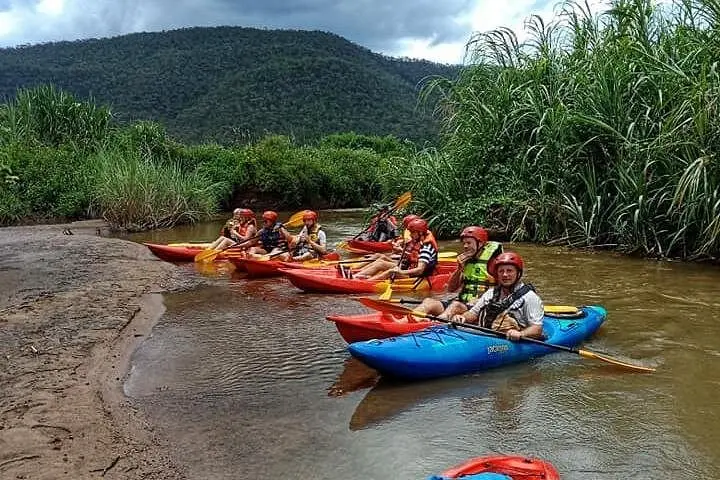
In the afternoon the route shifts to water. You launch on a quiet reach of the Mae Ping, a creek‑like section that threads bamboo and tamarind. The river moves with a deliberate patience, nudging you beneath overhanging branches as kingfishers and egrets flit from exposed roots. Guides brief on strokes, safety, and local flora so even first‑time paddlers can enjoy the rhythm of the water.
Practicalities: plan for a 7–8 hour day with a 10‑minute cave‑to‑river shuttle, wear sturdy closed‑toe shoes for cave sections, carry a dry bag and sun protection, and expect some uneven footing and low light. The operator provides kayaks, lifejackets, headlamps, water, and a midday meal with vegetarian options. Peak conditions are cool season (Nov–Feb); the rainy months can raise flows and increase insects—pack light rain gear and insect repellent.
Expect about 7–8 hours total; most tours return to Chiang Mai around 5:30 PM.
No—guides provide a paddling briefing and use stable hard-shell single and double kayaks suitable for beginners.
Yes—headlamps, lifejackets, and top-quality kayaks are included in the tour package.
Lunch (with vegetarian/vegan options) and bottled water/hydration stations are provided throughout the day.
Chiang Mai Mountain Biking & Kayaks operates guided outdoor trips and adventures with an emphasis on safety, stewardship, and memorable experiences.
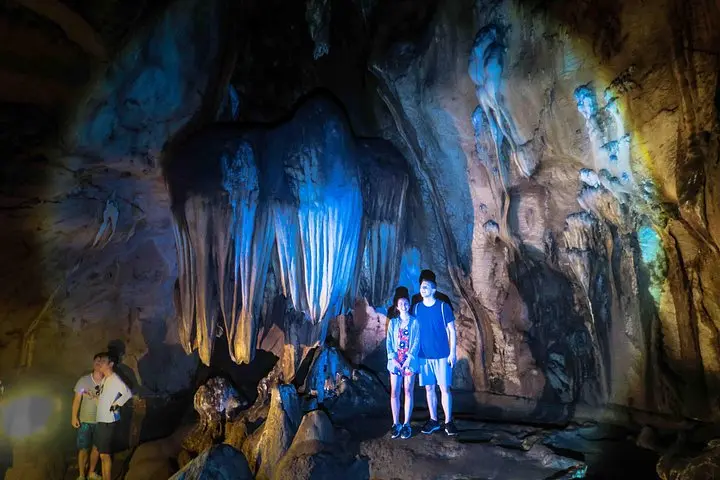
You step out of the van into a cool limestone mouth where light slants across damp rock and the smell of earth hangs heavy. Inside Chiang Dao Cave the ceiling opens into cathedral-sized chambers punctuated by Buddhist shrines; bats stir in the dark and a local guide traces the tunnel history while headlamps pick out calcite ribs.
You step out of the van into a cool limestone mouth where light slants across damp rock and the smell of earth hangs heavy. Inside Chiang Dao Cave the ceiling opens into cathedral-sized chambers punctuated by Buddhist shrines; bats stir in the dark and a local guide traces the tunnel history while headlamps pick out calcite ribs.
The cave’s story is both geological and cultural: formed by karst dissolution over millennia, its primary chambers have been a pilgrimage site for roughly 300 years since a Burmese monk first mapped its passages. The surrounding district is defined by jagged limestone spires and rice terraces; the return drive to Chiang Mai crosses forested ridgelines where hill‑tribe farms and roadside markets mark daily life.
In the afternoon the route shifts to water. You launch on a quiet reach of the Mae Ping, a creek‑like section that threads bamboo and tamarind. The river moves with a deliberate patience, nudging you beneath overhanging branches as kingfishers and egrets flit from exposed roots. Guides brief on strokes, safety, and local flora so even first‑time paddlers can enjoy the rhythm of the water.
Practicalities: plan for a 7–8 hour day with a 10‑minute cave‑to‑river shuttle, wear sturdy closed‑toe shoes for cave sections, carry a dry bag and sun protection, and expect some uneven footing and low light. The operator provides kayaks, lifejackets, headlamps, water, and a midday meal with vegetarian options. Peak conditions are cool season (Nov–Feb); the rainy months can raise flows and increase insects—pack light rain gear and insect repellent.