THE ADVENTURE COLLECTIVE® · Independent discovery and booking for outdoor travel

Explore four of Chiang Mai’s most historic wats in a single four-hour circuit. This guided city-and-temple tour mixes Lanna architecture, ritual moments and practical tips for beating heat and crowds.
Explore four of Chiang Mai’s most historic wats in a single four-hour circuit. This guided city-and-temple tour mixes Lanna architecture, ritual moments and practical tips for beating heat and crowds.
Step off the air-conditioned van into the hot, fragrant air of Chiang Mai's Old City and you immediately feel the city's past pushing up through brick and roof tile. Walk past the moat and the scattered frangipani; bells clink in temple courtyards as sunlight grazes gilded chedis and lacquered post. The route threads four major wats—Wat Suan Dok, Wat Phra Singh, Wat Chedi Luang and Wat Chiang Man—each a different chapter of Lanna history and local practice.
Verified experiences and guided adventures in the surrounding area.
Operated by Sightseeing Phuket · Chiang Mai, Chiang Mai Province
Step off the air-conditioned van into the hot, fragrant air of Chiang Mai's Old City and you immediately feel the city's past pushing up through brick and roof tile. Walk past the moat and the scattered frangipani; bells clink in temple courtyards as sunlight grazes gilded chedis and lacquered post. The route threads four major wats—Wat Suan Dok, Wat Phra Singh, Wat Chedi Luang and Wat Chiang Man—each a different chapter of Lanna history and local practice.
Founded by King Mengrai in 1296, Chiang Mai was the capital of the Lanna Kingdom; its temples preserve that lineage in carved teak, bas-relief naga stairways and brick stupas scarred by centuries of monsoon and a 16th-century quake. Wat Phra Singh showcases northern-style murals and the Lai Kham chapel; Chedi Luang’s ruined pagoda still dominates the skyline; Wat Chiang Man marks the city's earliest footprint.
Culturally the walk is tactile: remove your shoes, keep shoulders and knees covered, and accept small offerings of incense or coin. Geographically you’re on the Ping River plain—flat walking with plenty of shade early and late; mid-day heat can be oppressive.
Practical guidance: plan a morning start to avoid crowds and heat, bring a refillable water bottle and small bills for donations, and wear closed-toe walking shoes for uneven temple thresholds. Expect about four hours of gentle walking with short stops at each site. The tour is accessible to most travelers, rich in photo opportunities, and ideal for anyone seeking Chiang Mai’s history and living religious life in one compact circuit.
The itinerary runs about four hours, with roughly 30–45 minutes at each temple and short transfers between them.
Yes—shoulders and knees should be covered when entering temple buildings; remove shoes and hats in sacred areas.
This program lists all entrance fees as included; confirm at booking and keep small cash for any optional donations.
Yes—it's labeled physically easy; infants must sit on a lap during hotel transfers per the operator’s policy.
Sightseeing Phuket operates guided outdoor trips and adventures with an emphasis on safety, stewardship, and memorable experiences.
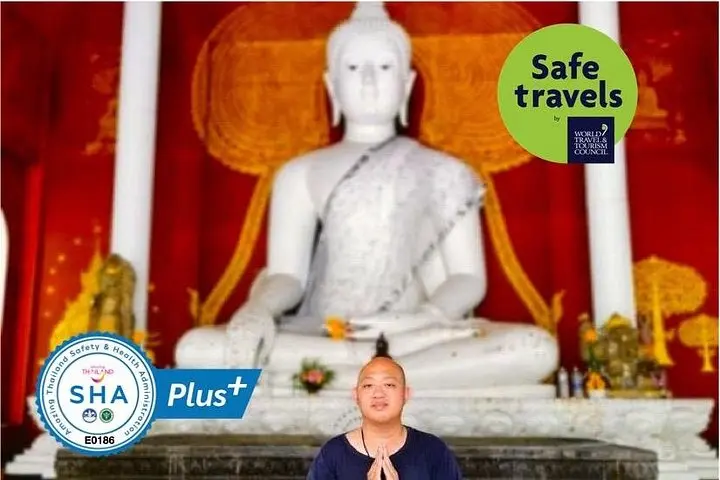
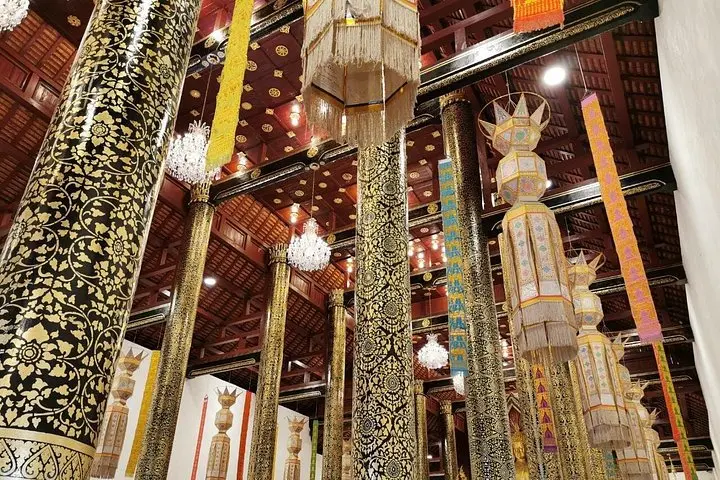
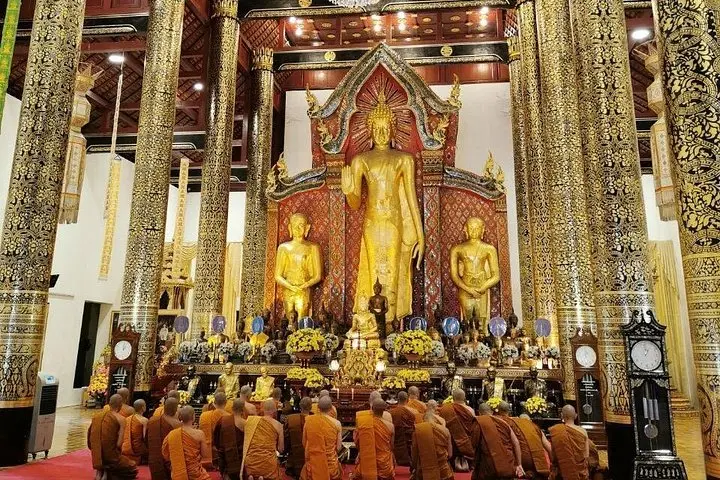
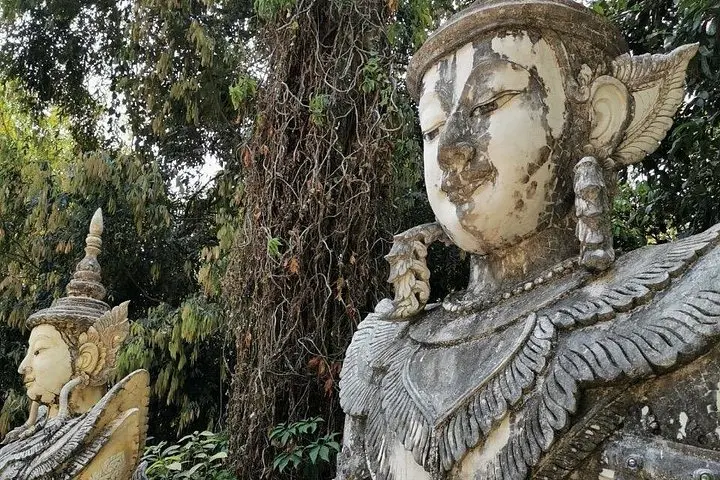
Step off the air-conditioned van into the hot, fragrant air of Chiang Mai's Old City and you immediately feel the city's past pushing up through brick and roof tile. Walk past the moat and the scattered frangipani; bells clink in temple courtyards as sunlight grazes gilded chedis and lacquered post. The route threads four major wats—Wat Suan Dok, Wat Phra Singh, Wat Chedi Luang and Wat Chiang Man—each a different chapter of Lanna history and local practice.
Step off the air-conditioned van into the hot, fragrant air of Chiang Mai's Old City and you immediately feel the city's past pushing up through brick and roof tile. Walk past the moat and the scattered frangipani; bells clink in temple courtyards as sunlight grazes gilded chedis and lacquered post. The route threads four major wats—Wat Suan Dok, Wat Phra Singh, Wat Chedi Luang and Wat Chiang Man—each a different chapter of Lanna history and local practice.
Founded by King Mengrai in 1296, Chiang Mai was the capital of the Lanna Kingdom; its temples preserve that lineage in carved teak, bas-relief naga stairways and brick stupas scarred by centuries of monsoon and a 16th-century quake. Wat Phra Singh showcases northern-style murals and the Lai Kham chapel; Chedi Luang’s ruined pagoda still dominates the skyline; Wat Chiang Man marks the city's earliest footprint.
Culturally the walk is tactile: remove your shoes, keep shoulders and knees covered, and accept small offerings of incense or coin. Geographically you’re on the Ping River plain—flat walking with plenty of shade early and late; mid-day heat can be oppressive.
Practical guidance: plan a morning start to avoid crowds and heat, bring a refillable water bottle and small bills for donations, and wear closed-toe walking shoes for uneven temple thresholds. Expect about four hours of gentle walking with short stops at each site. The tour is accessible to most travelers, rich in photo opportunities, and ideal for anyone seeking Chiang Mai’s history and living religious life in one compact circuit.