THE ADVENTURE COLLECTIVE® · Independent discovery and booking for outdoor travel

Spend a day from manicured waterfalls to the uniquely grippy Bua Tong “sticky” falls, then observe elephants roaming in a sanctuary that forbids riding. This combo tour mixes easy climbing, forest air, and an ethical wildlife visit—perfect for a full-day Chiang Mai outing.
Spend a day from manicured waterfalls to the uniquely grippy Bua Tong “sticky” falls, then observe elephants roaming in a sanctuary that forbids riding. This combo tour mixes easy climbing, forest air, and an ethical wildlife visit—perfect for a full-day Chiang Mai outing.
You step out of an air-conditioned van into cool mountain air and the chatter of water—first at a landscaped cascade where planted gardens and caves frame two staged falls, then higher into forest where limestone pours itself into ledges you can actually walk.
Verified experiences and guided adventures in the surrounding area.
Operated by GoWithJoe · Chiang Mai, Chiang Mai
You step out of an air-conditioned van into cool mountain air and the chatter of water—first at a landscaped cascade where planted gardens and caves frame two staged falls, then higher into forest where limestone pours itself into ledges you can actually walk.
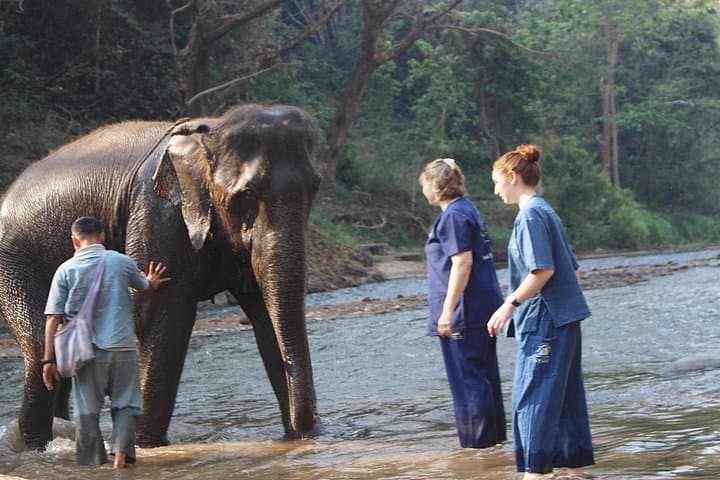
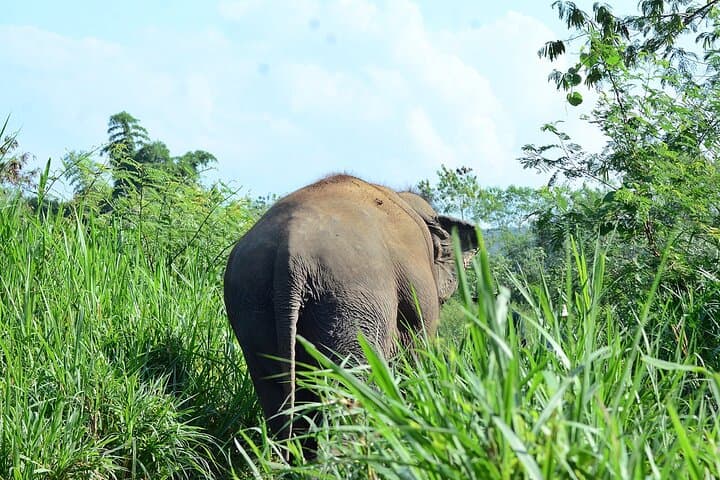
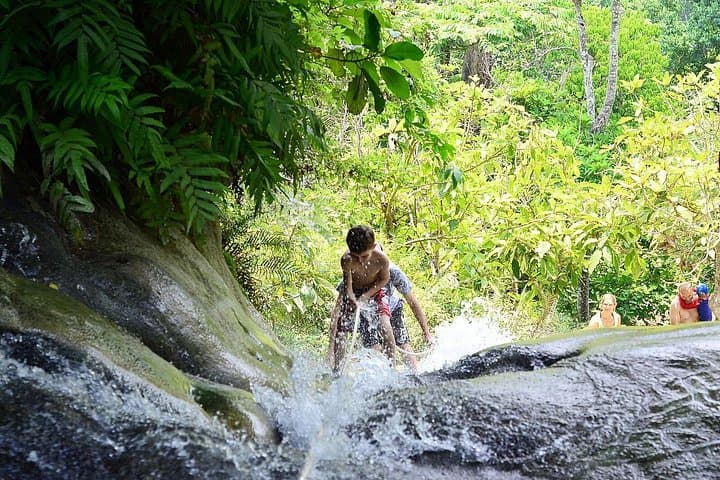
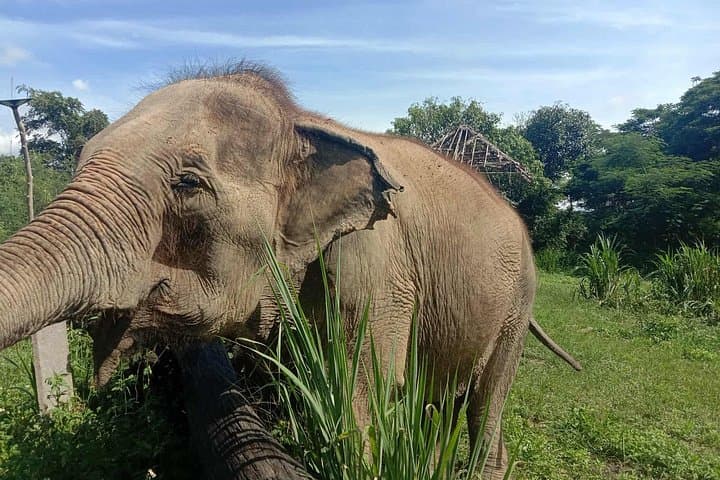
The day moves from Dantewada’s worked gardens to Bua Tong’s famous "sticky" falls: mineral-rich calcite has built a grippy crust on the rock, so you can climb barefoot and pick your own line up the cascade. Later, the scene widens into a quiet patch of forest at an ethical elephant sanctuary where animals roam with space to forage; observers follow on foot, watching trunks and ears as if reading the weather.
Geology here is straightforward—tufa and calcite deposits create the unique traction at Bua Tong, while surrounding hills are old alluvial and metamorphic seams carved by seasonal streams. Culturally, many sanctuaries in Chiang Mai grew from a shift away from riding and performances toward viewing, rehabilitation, and community-led tourism.
Practical guidance: the full itinerary runs about six to seven hours with transport from Chiang Mai; expect short, wet climbs, uneven trails, and muddy approaches after rain. Wear grippy water shoes (not loose flip-flops), bring sun protection and insect repellent, and carry a lightweight daypack with water. Respect the sanctuary’s rules—no riding, no forcing contact, and keep noise low.
Timing matters: mornings are cooler and quieter; afternoons bring clearer light for photos but more visitors. The tour combines an engineered park, a rare natural climbing feature, and an ethical wildlife visit—an efficient way to experience northern Thailand’s tactile landscapes and living culture in a single day.
Yes—Bua Tong’s calcite surface allows barefoot climbing; guides will advise safest lines and recommend removing jewelry and rolling up pants.
No—this tour visits an ethical sanctuary where elephants roam freely and direct riding or forced contact is prohibited; viewing is quiet and non-intrusive.
Yes—this full-day private tour includes air-conditioned transport between sites and return to Chiang Mai as part of the itinerary.
Generally yes—activities are described as suitable for all fitness levels, but guests with serious cardiovascular issues should avoid strenuous sections and consult guides; children should be supervised on slippery rocks.
GoWithJoe operates guided outdoor trips and adventures with an emphasis on safety, stewardship, and memorable experiences.
You step out of an air-conditioned van into cool mountain air and the chatter of water—first at a landscaped cascade where planted gardens and caves frame two staged falls, then higher into forest where limestone pours itself into ledges you can actually walk.
You step out of an air-conditioned van into cool mountain air and the chatter of water—first at a landscaped cascade where planted gardens and caves frame two staged falls, then higher into forest where limestone pours itself into ledges you can actually walk.
The day moves from Dantewada’s worked gardens to Bua Tong’s famous "sticky" falls: mineral-rich calcite has built a grippy crust on the rock, so you can climb barefoot and pick your own line up the cascade. Later, the scene widens into a quiet patch of forest at an ethical elephant sanctuary where animals roam with space to forage; observers follow on foot, watching trunks and ears as if reading the weather.
Geology here is straightforward—tufa and calcite deposits create the unique traction at Bua Tong, while surrounding hills are old alluvial and metamorphic seams carved by seasonal streams. Culturally, many sanctuaries in Chiang Mai grew from a shift away from riding and performances toward viewing, rehabilitation, and community-led tourism.
Practical guidance: the full itinerary runs about six to seven hours with transport from Chiang Mai; expect short, wet climbs, uneven trails, and muddy approaches after rain. Wear grippy water shoes (not loose flip-flops), bring sun protection and insect repellent, and carry a lightweight daypack with water. Respect the sanctuary’s rules—no riding, no forcing contact, and keep noise low.
Timing matters: mornings are cooler and quieter; afternoons bring clearer light for photos but more visitors. The tour combines an engineered park, a rare natural climbing feature, and an ethical wildlife visit—an efficient way to experience northern Thailand’s tactile landscapes and living culture in a single day.