THE ADVENTURE COLLECTIVE® · Independent discovery and booking for outdoor travel

Swap Chiang Mai’s bustle for two days of hikes to a hidden temple, a sunset homestay, soft countryside cycling and an ethical elephant sanctuary visit. This compact overnight trip delivers cultural contact, easy outdoor activity and real village life.
Swap Chiang Mai’s bustle for two days of hikes to a hidden temple, a sunset homestay, soft countryside cycling and an ethical elephant sanctuary visit. This compact overnight trip delivers cultural contact, easy outdoor activity and real village life.
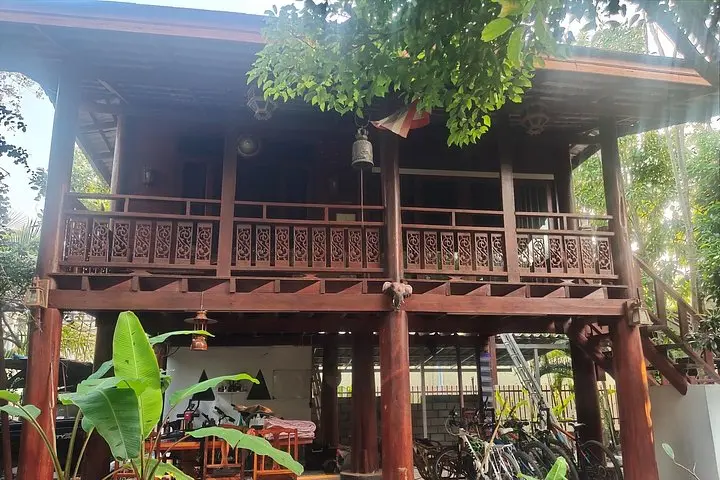
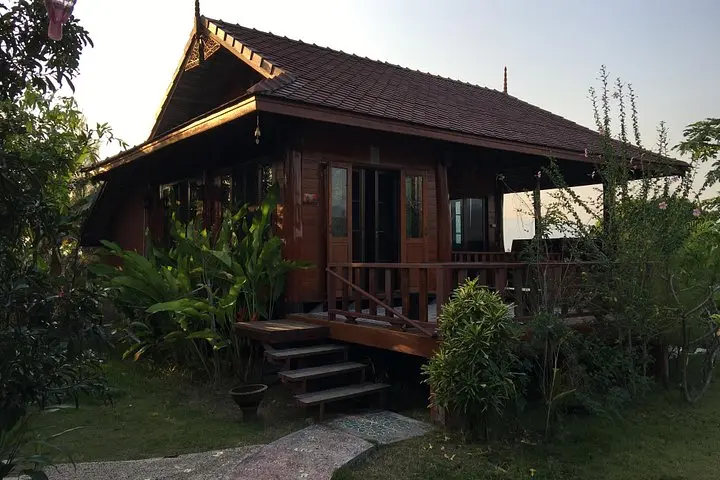
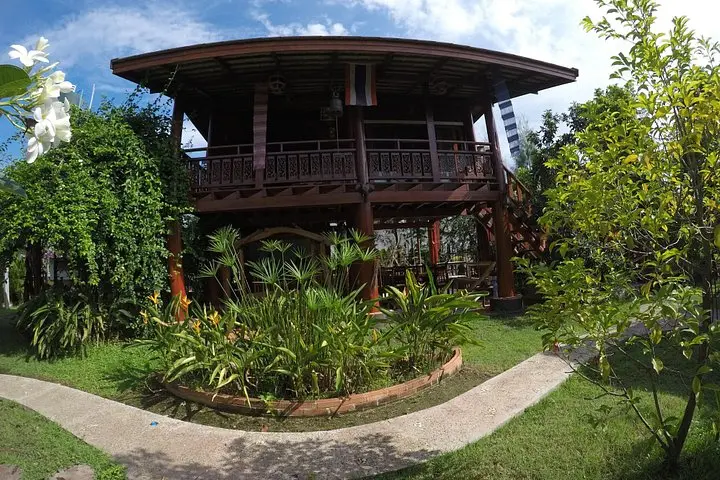
You leave Chiang Mai city at first light and the road opens into rice paddies and single-lane lanes lined with teak houses. The air carries damp earth and wood smoke; a soft uphill path leads you into a forested trail toward a secluded temple whose quiet is broken only by birds and the occasional monk’s chant.
Verified experiences and guided adventures in the surrounding area.
Operated by Untouched Thailand · Chiang Mai, Chiang Mai
You leave Chiang Mai city at first light and the road opens into rice paddies and single-lane lanes lined with teak houses. The air carries damp earth and wood smoke; a soft uphill path leads you into a forested trail toward a secluded temple whose quiet is broken only by birds and the occasional monk’s chant.
The second half-day climbs toward Doi Suthep, the mountain-top shrine established in the 14th century, where stupas overlook the Ping River plain. Geologically the area is the western edge of the Shan Hills—rounded ridges of older rock and weathered soils that make for steady, manageable trails. Cultural threads run deep: you’ll meet long-neck Karen artisans, sample northern Thai home cooking, and learn about local farming rhythms.
This trip balances low-impact hiking (roughly 1 hour on a steady trail), a 15 km flat countryside bike ride, hands-on time at an elephant welfare sanctuary (feeding, bathing, no riding), and an overnight in a teak homestay with sunset views.
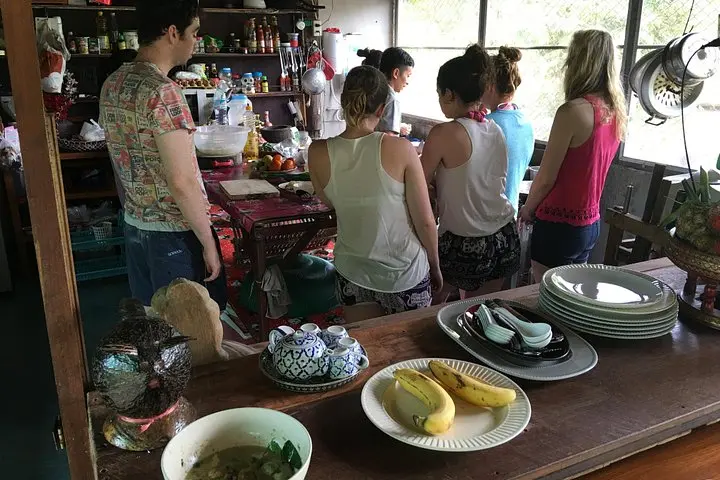
Practical notes: start early to avoid midday heat, wear grippy shoes for the sticky waterfall, carry 2–3 liters of water, and bring cash for village crafts. Respect temple dress codes—shoulders and knees covered—and follow sanctuary rules: no feeding inappropriate food and keep distance during times elephants rest. Expect simple comforts at the homestay: hot meals, wooden floors, and a chance to watch village life slow as darkness falls.
For travelers who want a concise rural immersion with ethical wildlife contact and easy active days, this two-day loop is direct, scenic, and practical.
This trip visits a welfare-focused facility that emphasizes feeding, bathing and observation rather than riding; confirm specific sanctuary policies when booking.
Lunches, one dinner and one breakfast are included along with snacks depending on the itinerary; bring cash for extra purchases.
The guided temple hike is described as easy and suitable for ages roughly 6–70, but assess individual stamina and mobility before booking.
You’ll need valid ID for booking and hotel pickup details; passports are required if crossing international borders, otherwise bring your passport number and nationality for booking.
Untouched Thailand operates guided outdoor trips and adventures with an emphasis on safety, stewardship, and memorable experiences.
You leave Chiang Mai city at first light and the road opens into rice paddies and single-lane lanes lined with teak houses. The air carries damp earth and wood smoke; a soft uphill path leads you into a forested trail toward a secluded temple whose quiet is broken only by birds and the occasional monk’s chant.
You leave Chiang Mai city at first light and the road opens into rice paddies and single-lane lanes lined with teak houses. The air carries damp earth and wood smoke; a soft uphill path leads you into a forested trail toward a secluded temple whose quiet is broken only by birds and the occasional monk’s chant.
The second half-day climbs toward Doi Suthep, the mountain-top shrine established in the 14th century, where stupas overlook the Ping River plain. Geologically the area is the western edge of the Shan Hills—rounded ridges of older rock and weathered soils that make for steady, manageable trails. Cultural threads run deep: you’ll meet long-neck Karen artisans, sample northern Thai home cooking, and learn about local farming rhythms.
This trip balances low-impact hiking (roughly 1 hour on a steady trail), a 15 km flat countryside bike ride, hands-on time at an elephant welfare sanctuary (feeding, bathing, no riding), and an overnight in a teak homestay with sunset views.
Practical notes: start early to avoid midday heat, wear grippy shoes for the sticky waterfall, carry 2–3 liters of water, and bring cash for village crafts. Respect temple dress codes—shoulders and knees covered—and follow sanctuary rules: no feeding inappropriate food and keep distance during times elephants rest. Expect simple comforts at the homestay: hot meals, wooden floors, and a chance to watch village life slow as darkness falls.
For travelers who want a concise rural immersion with ethical wildlife contact and easy active days, this two-day loop is direct, scenic, and practical.