THE ADVENTURE COLLECTIVE® · Independent discovery and booking for outdoor travel

Spend a day from Chiang Mai exploring an orchid and butterfly farm, the ornate Wat Ban Den temple, the caverns of Chiang Dao, and the famously climbable Bua Thong “Sticky” Waterfall. Practical guidance and what to expect on terrain, timing, and gear.
Spend a day from Chiang Mai exploring an orchid and butterfly farm, the ornate Wat Ban Den temple, the caverns of Chiang Dao, and the famously climbable Bua Thong “Sticky” Waterfall. Practical guidance and what to expect on terrain, timing, and gear.
You leave Chiang Mai just after sunrise, the city thinning behind the van as rice paddies and limestone ridgelines reappear. The first stop—an orchid and butterfly farm—greets you with humid air thick with floral scent and wings brushing your sleeves; it’s an easy, sensory warm-up before the day’s deeper landscapes.
Verified experiences and guided adventures in the surrounding area.
Operated by joinusthai · Chiang Mai, Chiang Mai Province
You leave Chiang Mai just after sunrise, the city thinning behind the van as rice paddies and limestone ridgelines reappear. The first stop—an orchid and butterfly farm—greets you with humid air thick with floral scent and wings brushing your sleeves; it’s an easy, sensory warm-up before the day’s deeper landscapes.
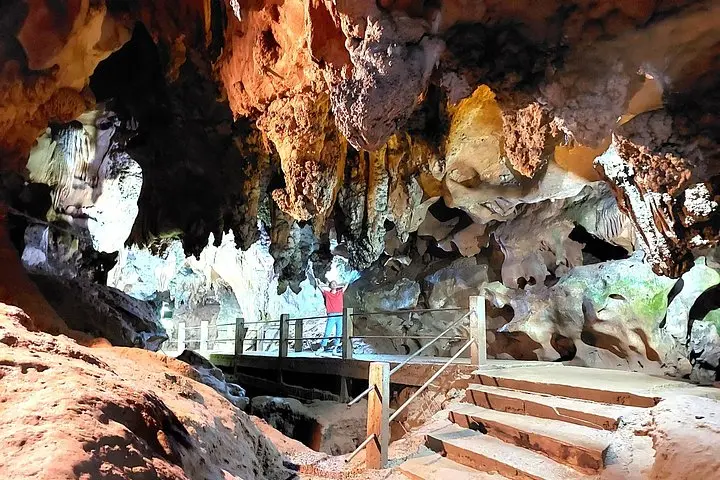
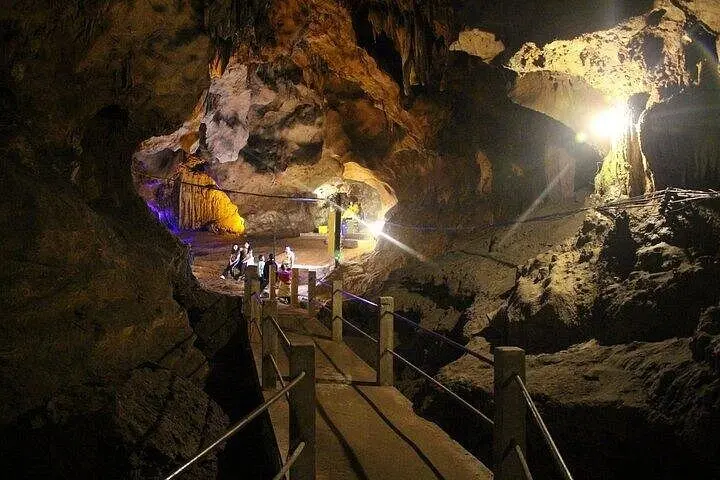
Wat Ban Den shows a different kind of craftsmanship: recent but painstaking, this temple complex stacks halls, kuti, and 12 zodiac chedis in a single compound. The ornamented roofs and gilded carvings are modern Lanna expressions rooted in regional Buddhist tradition. Further north, Chiang Dao Cave is a slow, cool contrast—limestone chambers carved by millennia of dripping water, stalactites and stalagmites named by local imagination and punctuated by Buddhist shrines placed inside the caverns.
Bua Thong, the “Sticky” waterfall, closes the loop with geology that feels like a trick: porous limestone and mineral deposits create friction underfoot so you can scramble up tiers that look slippery from below. The rocks push back just enough to make climbing playful rather than perilous; small pools and bird song keep the pace relaxed.
Practically: this is an all-ages, full-day excursion (about 8–9 hours) with an English-speaking guide, air-conditioned transport, bottled water and admission fees included. You’ll cover paved and uneven paths, cave steps, and wet rock—bring grippy water shoes, light rainwear in the monsoon months, sun protection, and cash for lunch. Start early to avoid midday heat and bring a camera with a protective case—the contrast between temple detail, cave light, and waterfall motion is what makes the day feel complete.
Yes; the itinerary is paced and suitable for most ages, though participants should be comfortable with short uphill walks, cave steps, and climbing at the waterfall.
Admission fees are included in the tour; lunch is at your own expense and available at Chiang Dao area restaurants or stalls.
Yes—the mineral surface maintains grip even in wet conditions, but sections can be slipperier and surrounding paths muddier; exercise extra caution.
Photography is generally allowed but bring a flashlight or use camera settings for low light; be respectful at shrine areas where worshippers are present.
joinusthai operates guided outdoor trips and adventures with an emphasis on safety, stewardship, and memorable experiences.
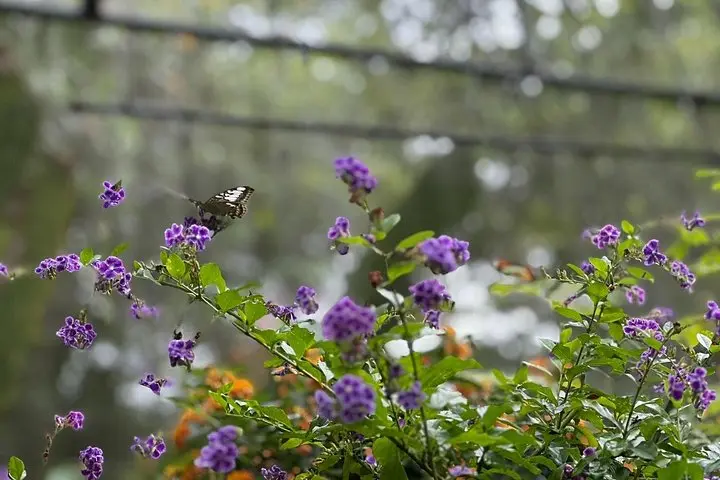
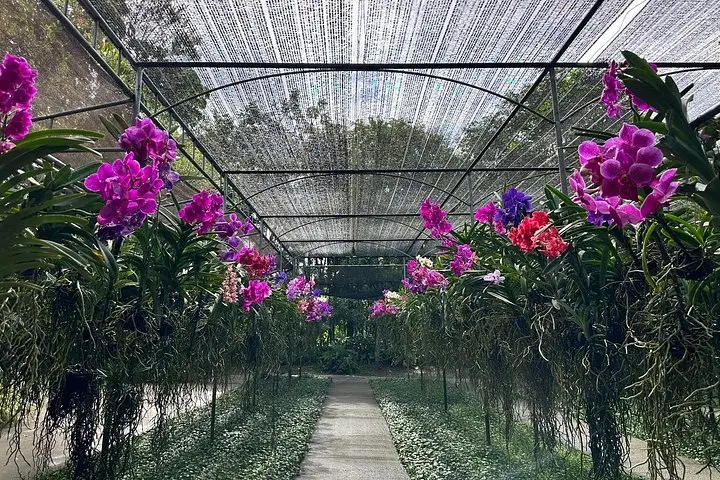
You leave Chiang Mai just after sunrise, the city thinning behind the van as rice paddies and limestone ridgelines reappear. The first stop—an orchid and butterfly farm—greets you with humid air thick with floral scent and wings brushing your sleeves; it’s an easy, sensory warm-up before the day’s deeper landscapes.
You leave Chiang Mai just after sunrise, the city thinning behind the van as rice paddies and limestone ridgelines reappear. The first stop—an orchid and butterfly farm—greets you with humid air thick with floral scent and wings brushing your sleeves; it’s an easy, sensory warm-up before the day’s deeper landscapes.
Wat Ban Den shows a different kind of craftsmanship: recent but painstaking, this temple complex stacks halls, kuti, and 12 zodiac chedis in a single compound. The ornamented roofs and gilded carvings are modern Lanna expressions rooted in regional Buddhist tradition. Further north, Chiang Dao Cave is a slow, cool contrast—limestone chambers carved by millennia of dripping water, stalactites and stalagmites named by local imagination and punctuated by Buddhist shrines placed inside the caverns.
Bua Thong, the “Sticky” waterfall, closes the loop with geology that feels like a trick: porous limestone and mineral deposits create friction underfoot so you can scramble up tiers that look slippery from below. The rocks push back just enough to make climbing playful rather than perilous; small pools and bird song keep the pace relaxed.
Practically: this is an all-ages, full-day excursion (about 8–9 hours) with an English-speaking guide, air-conditioned transport, bottled water and admission fees included. You’ll cover paved and uneven paths, cave steps, and wet rock—bring grippy water shoes, light rainwear in the monsoon months, sun protection, and cash for lunch. Start early to avoid midday heat and bring a camera with a protective case—the contrast between temple detail, cave light, and waterfall motion is what makes the day feel complete.