THE ADVENTURE COLLECTIVE® · Independent discovery and booking for outdoor travel

Spend a full day exploring Chiang Mai’s sticky limestone falls, a countryside market, the ornate Wat Baan Den, and a supervised elephant sanctuary. This guided loop blends geology, local life, and ethical animal encounters with practical logistics and clear guidance.
Spend a full day exploring Chiang Mai’s sticky limestone falls, a countryside market, the ornate Wat Baan Den, and a supervised elephant sanctuary. This guided loop blends geology, local life, and ethical animal encounters with practical logistics and clear guidance.
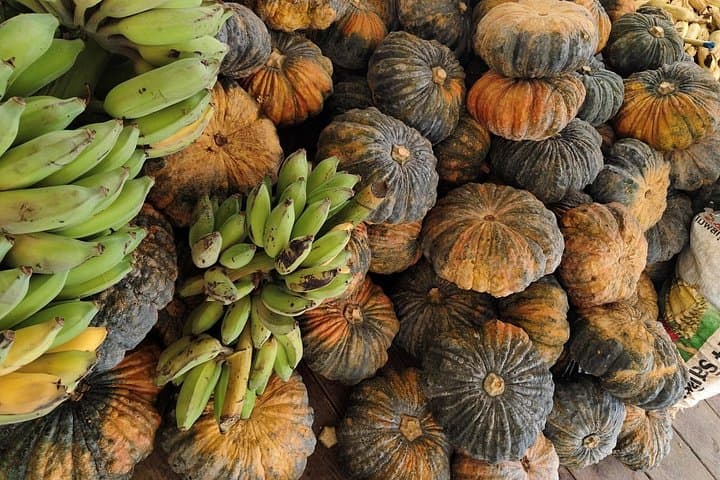
You step out of the minivan into humid air scented with river mud and fried street snacks. Local vendors trade skewered bugs and sticky rice while a limestone cascade ahead dares you to climb it—this is Bua Tong, the “sticky” waterfall where mineral-coated rock allows visitors to walk up flowing tiers without slipping. The day threads from market stalls to lunch under a banyan tree, then to the ornate compound of Wat Baan Den whose layered roofs and carved details speak to northern Thailand’s living temple craft.
Verified experiences and guided adventures in the surrounding area.
Operated by Untouched Thailand · Chiang Mai, Chiang Mai Province
You step out of the minivan into humid air scented with river mud and fried street snacks. Local vendors trade skewered bugs and sticky rice while a limestone cascade ahead dares you to climb it—this is Bua Tong, the “sticky” waterfall where mineral-coated rock allows visitors to walk up flowing tiers without slipping. The day threads from market stalls to lunch under a banyan tree, then to the ornate compound of Wat Baan Den whose layered roofs and carved details speak to northern Thailand’s living temple craft.
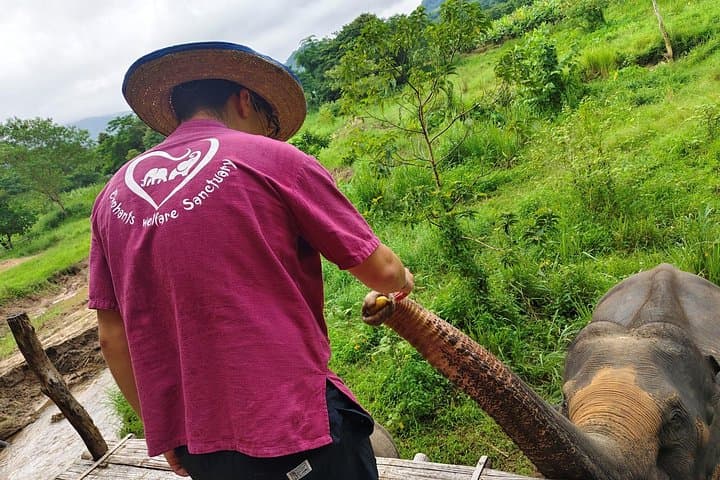
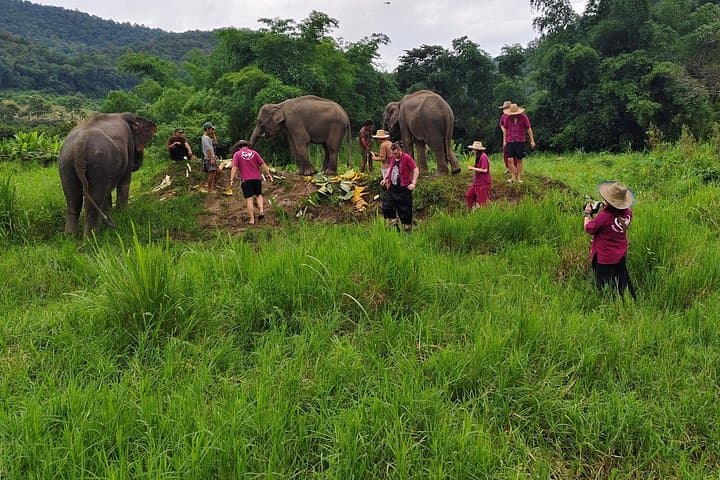
Geology and culture collide at the falls: calcium-rich deposits create rough surfaces and small pools, while the Mae Ping river nearby has long supported rice farms and seasonal markets. Wat Baan Den is a contemporary expression of Lanna architectural motifs, built and maintained by local communities for spiritual practice. The elephant-focused stop centers on observation and feeding in river-edge habitat; staff will brief visitors on respectful behavior around large mammals.
Practically, expect about 7–8 hours including transportation, a guided temple visit, market time, lunch, and a supervised sanctuary visit. Terrain ranges from paved market alleys and stone steps at the temple to wet, uneven rock at the waterfall and soft riverbank mud at the sanctuary—sturdy, quick-dry footwear matters. Bring water, a change of clothes if you plan to wade, and follow sanctuary rules: no riding, follow handlers’ instructions, and avoid single-use plastics to protect rivers and elephants. The route ends back in Chiang Mai with a clearer sense of the region’s natural rhythms and cultural craft.
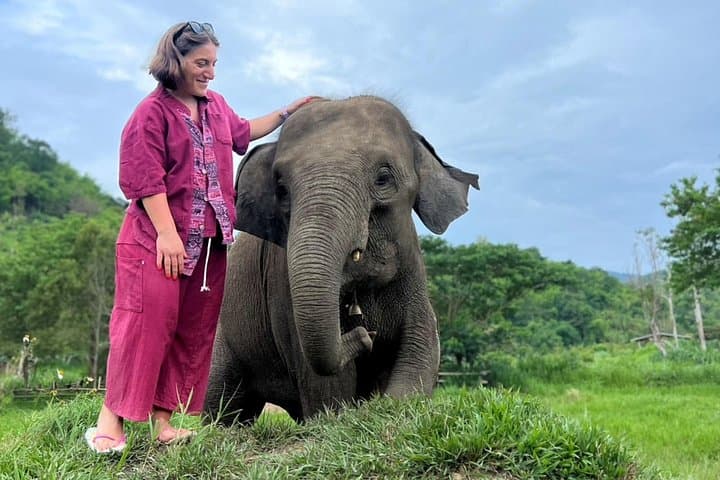
The tour visits an Elephant Welfare Sanctuary focused on observation, feeding, and bathing under staff supervision; confirm the sanctuary’s policies before booking and avoid any that offer riding.
The falls are popular with families; children should be supervised closely and wear appropriate footwear since surfaces are wet and uneven.
Yes—transportation, lunch, admissions, and a local temple guide are included per the tour details; confirm pickup point when booking.
Dress respectfully for temples: shoulders and knees covered; lightweight layers work well in Chiang Mai’s climate and can be removed when visiting the falls or river.
Untouched Thailand operates guided outdoor trips and adventures with an emphasis on safety, stewardship, and memorable experiences.
You step out of the minivan into humid air scented with river mud and fried street snacks. Local vendors trade skewered bugs and sticky rice while a limestone cascade ahead dares you to climb it—this is Bua Tong, the “sticky” waterfall where mineral-coated rock allows visitors to walk up flowing tiers without slipping. The day threads from market stalls to lunch under a banyan tree, then to the ornate compound of Wat Baan Den whose layered roofs and carved details speak to northern Thailand’s living temple craft.
You step out of the minivan into humid air scented with river mud and fried street snacks. Local vendors trade skewered bugs and sticky rice while a limestone cascade ahead dares you to climb it—this is Bua Tong, the “sticky” waterfall where mineral-coated rock allows visitors to walk up flowing tiers without slipping. The day threads from market stalls to lunch under a banyan tree, then to the ornate compound of Wat Baan Den whose layered roofs and carved details speak to northern Thailand’s living temple craft.
Geology and culture collide at the falls: calcium-rich deposits create rough surfaces and small pools, while the Mae Ping river nearby has long supported rice farms and seasonal markets. Wat Baan Den is a contemporary expression of Lanna architectural motifs, built and maintained by local communities for spiritual practice. The elephant-focused stop centers on observation and feeding in river-edge habitat; staff will brief visitors on respectful behavior around large mammals.
Practically, expect about 7–8 hours including transportation, a guided temple visit, market time, lunch, and a supervised sanctuary visit. Terrain ranges from paved market alleys and stone steps at the temple to wet, uneven rock at the waterfall and soft riverbank mud at the sanctuary—sturdy, quick-dry footwear matters. Bring water, a change of clothes if you plan to wade, and follow sanctuary rules: no riding, follow handlers’ instructions, and avoid single-use plastics to protect rivers and elephants. The route ends back in Chiang Mai with a clearer sense of the region’s natural rhythms and cultural craft.