THE ADVENTURE COLLECTIVE® · Independent discovery and booking for outdoor travel

Spend a half-day outside Chiang Mai learning about rescued elephants in a sanctuary focused on observation and rehabilitation. This practical guide explains what to expect—timing, interactions, terrain—and how to prepare for a respectful encounter.
Spend a half-day outside Chiang Mai learning about rescued elephants in a sanctuary focused on observation and rehabilitation. This practical guide explains what to expect—timing, interactions, terrain—and how to prepare for a respectful encounter.
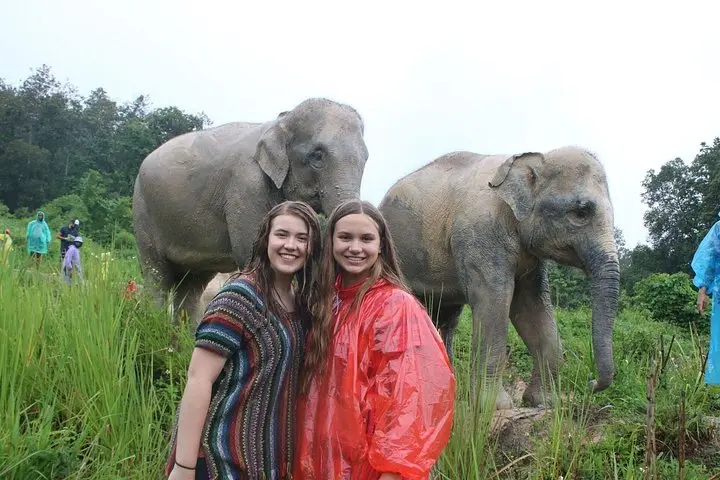
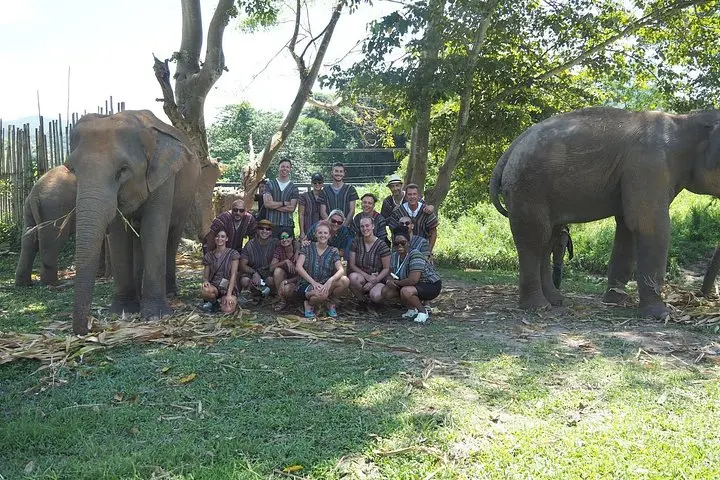
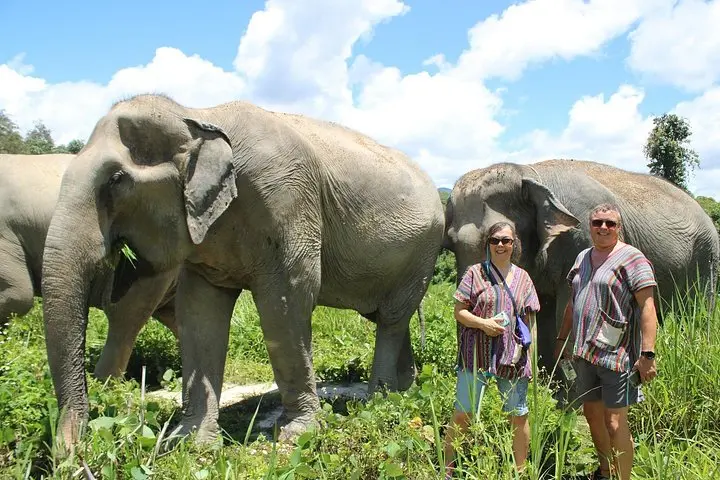
The morning light thins through teak and bamboo as a minivan eases out of Chiang Mai and the roadside rice paddies give way to jungle-scrub slopes. By the time you step into the clearing at the Elephant Jungle Sanctuary, the air smells of earth and crushed grass; the elephants move with deliberate curiosity, trunks testing the day and the people who come to learn.
Verified experiences and guided adventures in the surrounding area.
Operated by Trips Planners · Chiang Mai, Chiang Mai Province
The morning light thins through teak and bamboo as a minivan eases out of Chiang Mai and the roadside rice paddies give way to jungle-scrub slopes. By the time you step into the clearing at the Elephant Jungle Sanctuary, the air smells of earth and crushed grass; the elephants move with deliberate curiosity, trunks testing the day and the people who come to learn.
Set near Chiang Mai in northern Thailand, this half-day visit emphasizes observation and gentle interaction rather than performances. The region’s landscape is folded from ancient volcanic and sedimentary layers that feed the irrigation channels shaping local agriculture, and elephants here are part of a recent cultural shift toward rescue and welfare after decades of logging and tourism misuse.
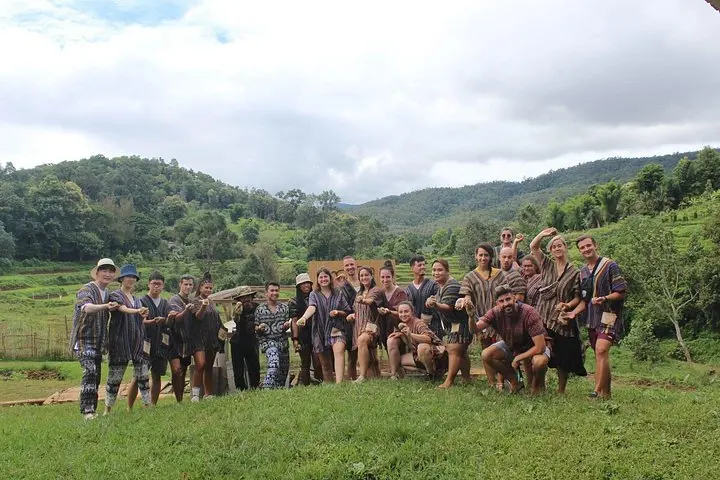
Guides and mahouts share individual histories—who was rescued, what rehabilitation looked like—and the program includes a photography service, English commentary, and hotel pickup and drop-off. Expect about 2 hours of direct elephant time within a 4–6 hour door-to-door schedule. Terrain is flat to gently sloping dirt paths and shaded paddocks; interactions are hands-on but low-impact: feeding, observing social behavior and walking at the elephants’ pace.
Practical notes: wear quick-dry clothing and closed-toe shoes, bring insect repellent and a refillable water bottle. Morning or late-afternoon sessions are cooler and better for photos; rainy-season visits mean muddier trails and more active elephants. The experience supports ethical care when run properly—ask about the sanctuary’s policies on chaining, riding, and breeding before booking.
The sanctuary visit portion is typically about 1.5–2 hours within a 4–6 hour tour that includes pickup and return to Chiang Mai.
Yes—these half-day programs are family-friendly, but infants may be required to sit on laps and young children should be supervised around animals.
No—ethical sanctuaries focus on observation and feeding; confirm the sanctuary’s policy before booking if riding is advertised elsewhere.
Hotels pickup and drop-off in Chiang Mai are listed as included; confirm exact pickup point when you book.
Trips Planners operates guided outdoor trips and adventures with an emphasis on safety, stewardship, and memorable experiences.
The morning light thins through teak and bamboo as a minivan eases out of Chiang Mai and the roadside rice paddies give way to jungle-scrub slopes. By the time you step into the clearing at the Elephant Jungle Sanctuary, the air smells of earth and crushed grass; the elephants move with deliberate curiosity, trunks testing the day and the people who come to learn.
The morning light thins through teak and bamboo as a minivan eases out of Chiang Mai and the roadside rice paddies give way to jungle-scrub slopes. By the time you step into the clearing at the Elephant Jungle Sanctuary, the air smells of earth and crushed grass; the elephants move with deliberate curiosity, trunks testing the day and the people who come to learn.
Set near Chiang Mai in northern Thailand, this half-day visit emphasizes observation and gentle interaction rather than performances. The region’s landscape is folded from ancient volcanic and sedimentary layers that feed the irrigation channels shaping local agriculture, and elephants here are part of a recent cultural shift toward rescue and welfare after decades of logging and tourism misuse.
Guides and mahouts share individual histories—who was rescued, what rehabilitation looked like—and the program includes a photography service, English commentary, and hotel pickup and drop-off. Expect about 2 hours of direct elephant time within a 4–6 hour door-to-door schedule. Terrain is flat to gently sloping dirt paths and shaded paddocks; interactions are hands-on but low-impact: feeding, observing social behavior and walking at the elephants’ pace.
Practical notes: wear quick-dry clothing and closed-toe shoes, bring insect repellent and a refillable water bottle. Morning or late-afternoon sessions are cooler and better for photos; rainy-season visits mean muddier trails and more active elephants. The experience supports ethical care when run properly—ask about the sanctuary’s policies on chaining, riding, and breeding before booking.