THE ADVENTURE COLLECTIVE® · Independent discovery and booking for outdoor travel

Learn northern Thai flavors from market to wok in an evening class that begins with a guided market visit and ends with a shared meal. Hands-on stations, local instructors and a 40-page recipe booklet make this a practical introduction to Chiang Mai cuisine.
Learn northern Thai flavors from market to wok in an evening class that begins with a guided market visit and ends with a shared meal. Hands-on stations, local instructors and a 40-page recipe booklet make this a practical introduction to Chiang Mai cuisine.
The market at dusk smells of lime, galangal and frying oil — a sensory primer before the knives come out. An evening cooking class in Chiang Mai begins with this kinetic marketplace: vendors weigh chilies, sacks of rice catch the last light, and the teacher points out ingredients that define northern Thai flavor.
Verified experiences and guided adventures in the surrounding area.
Operated by Galangal Cooking Studio · Chiang Mai, Chiang Mai Province
The market at dusk smells of lime, galangal and frying oil — a sensory primer before the knives come out. An evening cooking class in Chiang Mai begins with this kinetic marketplace: vendors weigh chilies, sacks of rice catch the last light, and the teacher points out ingredients that define northern Thai flavor.
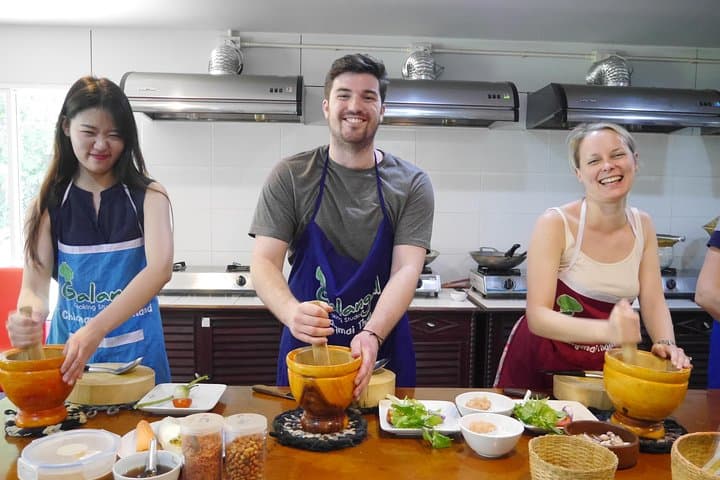
Chiang Mai sits at the edge of the highlands that shaped Lanna cuisine: sticky rice, bold herbs and sour-salty balances evolved where mountain microclimates produce distinctive chilies, tamarind and citrus. The class connects that cultural history with practical technique — pounding a curry paste in a mortar, tempering coconut milk, or balancing fish sauce with palm sugar — and ends with a shared meal and a 40‑page recipe booklet to take home.
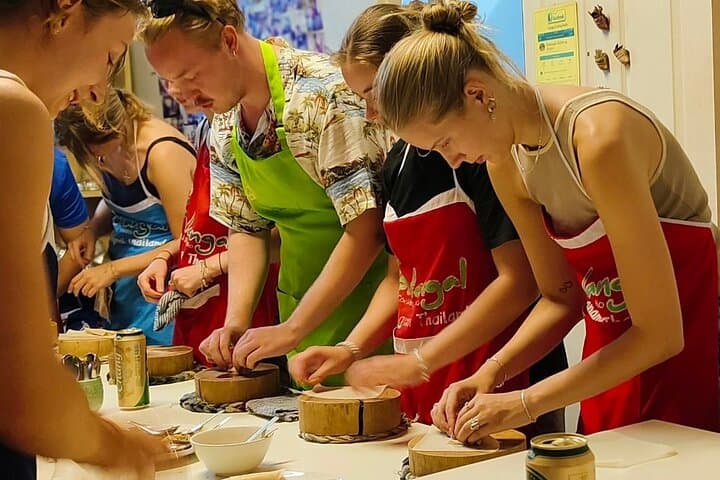
Expect a small-group kitchen environment with hands-on stations where you'll prepare four dishes chosen from classics such as pad thai, tom yum, green curry or khao soi. Instructors demonstrate market picks, knife basics and plating; students rotate between prep and cooking and then sit together to eat.
Practical notes: hotel pickup is usually included; tell the operator of any allergies before booking. Wear closed shoes and bring a reusable water bottle — Thai kitchens can be humid and warm. The best time to book is during the dry cool season (November–February) when markets are busiest and produce is freshest. Bring a camera for colorful market stalls but keep shots quick to respect vendors.
This is a cultural, low‑impact experience that teaches technique, regional history and how local ingredients shape Thai dishes — a compact, hands‑on introduction to Chiang Mai’s foodways.
Most departures include pickup from Chiang Mai city hotels; confirm pickup point when you book and expect a short transfer to the market or studio.
Yes—inform the operator at booking and again at check-in so instructors can substitute ingredients and plan dishes accordingly.
You’ll prepare four dishes of your choice with instructor guidance and then eat them with the group; recipes are provided in a 40‑page PDF afterward.
Classes are typically taught in English by local chefs; check the listing for language details or request clarification when booking.
Galangal Cooking Studio operates guided outdoor trips and adventures with an emphasis on safety, stewardship, and memorable experiences.
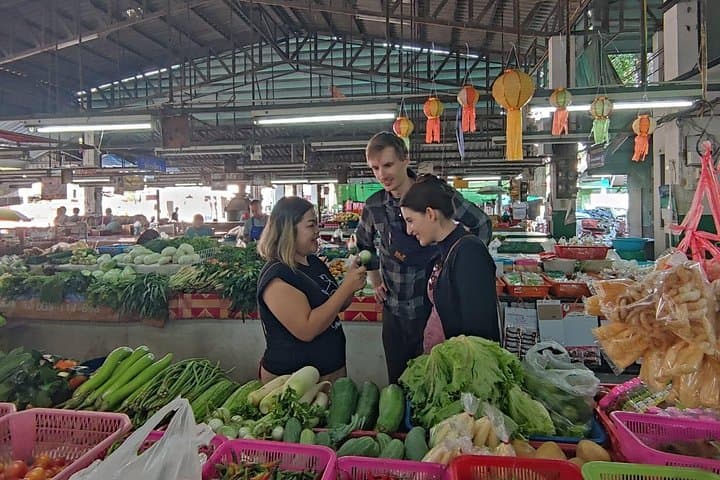
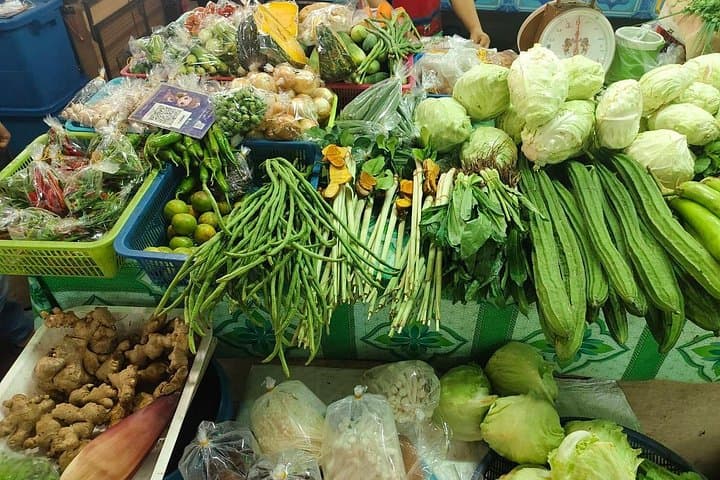
The market at dusk smells of lime, galangal and frying oil — a sensory primer before the knives come out. An evening cooking class in Chiang Mai begins with this kinetic marketplace: vendors weigh chilies, sacks of rice catch the last light, and the teacher points out ingredients that define northern Thai flavor.
The market at dusk smells of lime, galangal and frying oil — a sensory primer before the knives come out. An evening cooking class in Chiang Mai begins with this kinetic marketplace: vendors weigh chilies, sacks of rice catch the last light, and the teacher points out ingredients that define northern Thai flavor.
Chiang Mai sits at the edge of the highlands that shaped Lanna cuisine: sticky rice, bold herbs and sour-salty balances evolved where mountain microclimates produce distinctive chilies, tamarind and citrus. The class connects that cultural history with practical technique — pounding a curry paste in a mortar, tempering coconut milk, or balancing fish sauce with palm sugar — and ends with a shared meal and a 40‑page recipe booklet to take home.
Expect a small-group kitchen environment with hands-on stations where you'll prepare four dishes chosen from classics such as pad thai, tom yum, green curry or khao soi. Instructors demonstrate market picks, knife basics and plating; students rotate between prep and cooking and then sit together to eat.
Practical notes: hotel pickup is usually included; tell the operator of any allergies before booking. Wear closed shoes and bring a reusable water bottle — Thai kitchens can be humid and warm. The best time to book is during the dry cool season (November–February) when markets are busiest and produce is freshest. Bring a camera for colorful market stalls but keep shots quick to respect vendors.
This is a cultural, low‑impact experience that teaches technique, regional history and how local ingredients shape Thai dishes — a compact, hands‑on introduction to Chiang Mai’s foodways.