THE ADVENTURE COLLECTIVE® · Independent discovery and booking for outdoor travel

Observe elephants in a conservation-minded sanctuary, cool off at a forest waterfall and try your hand at Karen craftwork. This balanced half-day in Chiang Mai mixes wildlife watching with cultural context and practical tips for a low-impact visit.
Observe elephants in a conservation-minded sanctuary, cool off at a forest waterfall and try your hand at Karen craftwork. This balanced half-day in Chiang Mai mixes wildlife watching with cultural context and practical tips for a low-impact visit.
You step off the air-conditioned van into humid green—a forest that smells of wet earth and teak, the distant rush of a waterfall pulling your attention like a compass.
Verified experiences and guided adventures in the surrounding area.
Operated by Joy Elephant Sanctuary · Chiang Mai, Chiang Mai Province
You step off the air-conditioned van into humid green—a forest that smells of wet earth and teak, the distant rush of a waterfall pulling your attention like a compass.
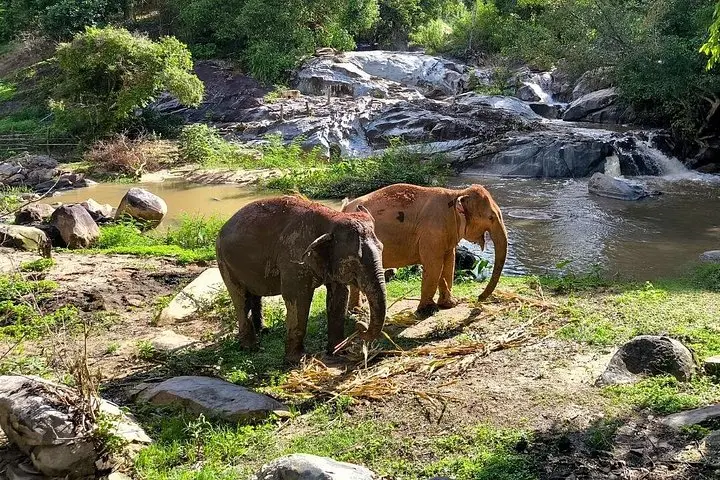
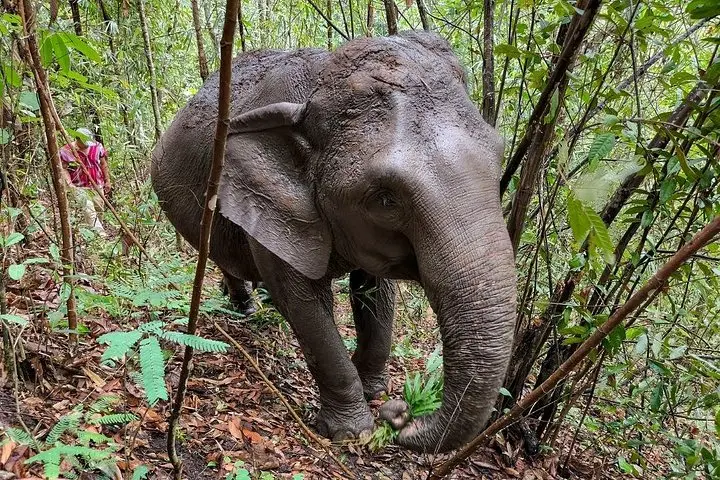
At Joy Elephant Sanctuary you observe rather than perform: this half-day program centers on quiet observation of elephants as they move, feed and rest in a largely natural setting. The sanctuary sits in northern Thailand’s mixed deciduous hills, where laterite soils and seasonal streams shape stepped ridgelines and the waterfall carves shallow plunge pools.
The northern Karen people have long worked with elephants in this region; the cultural segment of the visit introduces traditional Karen garments and a hands-on craft session, connecting a practical history of care with contemporary ethical tourism.
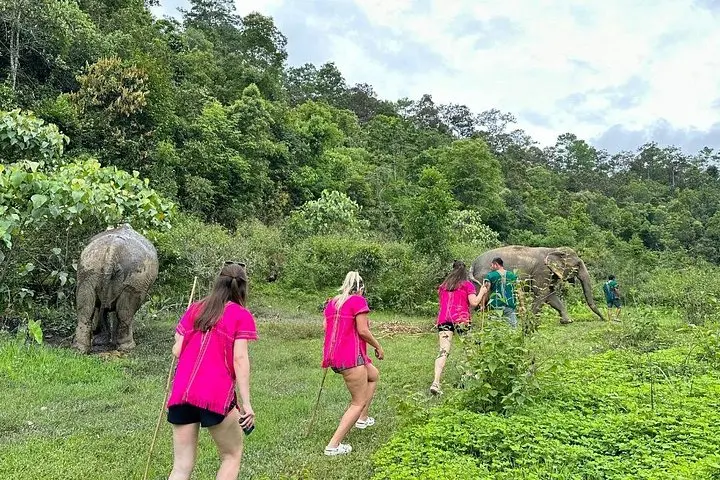
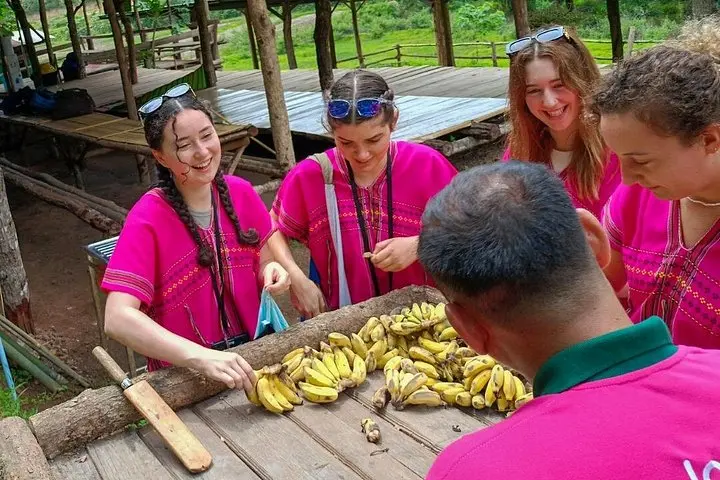
Expect close-but-respectful viewing—staff maintain distances, feed the animals, and explain behavior and welfare practices. After observing, you can cool off at the on-site waterfall, sip herbal tea, and learn to make a simple Thai souvenir.
Practical guidance: plan for 6–7 hours total; wear quick-dry clothing and sturdy sandals or light hiking shoes that can handle mud and shallow streams. Bring insect repellent, sun protection, a swim suit, and a change of clothes. Photography is generally allowed but follow staff directions—avoid flash or loud noises that might disturb the elephants.
This program balances wildlife watching, light cultural learning, and a short nature stop; it’s suitable for most travelers seeking an ethical, low-impact way to see elephants outside of a zoo setting.
The program emphasizes observation and natural behavior; staff maintain safe distances and feed the elephants without calls for riding or performance.
Yes, but infants must sit on laps and guests with certain health conditions or pregnancy are advised not to participate.
Wear quick-dry clothes, closed-toe or sturdy sandals, bring swimwear, insect repellent, sun protection, and any personal allergy medications.
Yes—air-conditioned vehicle transfers are included as stated in the itinerary and inclusions.
Joy Elephant Sanctuary operates guided outdoor trips and adventures with an emphasis on safety, stewardship, and memorable experiences.
You step off the air-conditioned van into humid green—a forest that smells of wet earth and teak, the distant rush of a waterfall pulling your attention like a compass.
You step off the air-conditioned van into humid green—a forest that smells of wet earth and teak, the distant rush of a waterfall pulling your attention like a compass.
At Joy Elephant Sanctuary you observe rather than perform: this half-day program centers on quiet observation of elephants as they move, feed and rest in a largely natural setting. The sanctuary sits in northern Thailand’s mixed deciduous hills, where laterite soils and seasonal streams shape stepped ridgelines and the waterfall carves shallow plunge pools.
The northern Karen people have long worked with elephants in this region; the cultural segment of the visit introduces traditional Karen garments and a hands-on craft session, connecting a practical history of care with contemporary ethical tourism.
Expect close-but-respectful viewing—staff maintain distances, feed the animals, and explain behavior and welfare practices. After observing, you can cool off at the on-site waterfall, sip herbal tea, and learn to make a simple Thai souvenir.
Practical guidance: plan for 6–7 hours total; wear quick-dry clothing and sturdy sandals or light hiking shoes that can handle mud and shallow streams. Bring insect repellent, sun protection, a swim suit, and a change of clothes. Photography is generally allowed but follow staff directions—avoid flash or loud noises that might disturb the elephants.
This program balances wildlife watching, light cultural learning, and a short nature stop; it’s suitable for most travelers seeking an ethical, low-impact way to see elephants outside of a zoo setting.