THE ADVENTURE COLLECTIVE® · Independent discovery and booking for outdoor travel

Spend a day above Chiang Mai at Doi Suthep’s golden chedi and at the unusual Bua Tong “sticky” waterfall, where limestone allows hands-on scrambling and cooling swims. This guided tour blends cultural ceremonies, panoramic views, and a playful waterfall climb into a single, accessible day trip.
Spend a day above Chiang Mai at Doi Suthep’s golden chedi and at the unusual Bua Tong “sticky” waterfall, where limestone allows hands-on scrambling and cooling swims. This guided tour blends cultural ceremonies, panoramic views, and a playful waterfall climb into a single, accessible day trip.
Morning light breaks over Chiang Mai as the van climbs the hairpin road toward Doi Suthep, the city shrinking beneath a band of low clouds. At the temple’s foot you choose stairs or the funicular; either way the climb winds through teak and bamboo until the golden chedi appears, flashing against the highland sky. Later the tour eases into a different rhythm at Bua Tong — the so-called “sticky” waterfall — where rough, calcified limestone grips your shoes and hands, letting you scramble straight up cascades that elsewhere would be slick with moss.
Verified experiences and guided adventures in the surrounding area.
Operated by Pon Elephant Thailand · Chiang Mai, Chiang Mai
Morning light breaks over Chiang Mai as the van climbs the hairpin road toward Doi Suthep, the city shrinking beneath a band of low clouds. At the temple’s foot you choose stairs or the funicular; either way the climb winds through teak and bamboo until the golden chedi appears, flashing against the highland sky. Later the tour eases into a different rhythm at Bua Tong — the so-called “sticky” waterfall — where rough, calcified limestone grips your shoes and hands, letting you scramble straight up cascades that elsewhere would be slick with moss.
Doi Suthep sits within Doi Suthep–Pui National Park and dates back to the 14th century, its gilded pagoda said to contain a relic of the Buddha. Geologically, Bua Tong’s climbable surface is a buildup of calcium carbonate that creates natural footholds; culturally, both sites reflect northern Thai Lanna traditions seen in temple art and village life. Local guides often include stops at an orchid farm and a Hmong village for quick cultural context.
Practical edge: expect a full 7–8 hour day with hotel pickup; wear modest clothing for the temple (shoulders covered) and bring swimwear for the falls. Choose grippy shoes you don’t mind getting wet; the sun intensifies once you leave the forest canopy, so sunscreen and hydration are essential. Leave offerings and take photos respectfully, remove shoes before entering temple buildings, and plan the visit early to avoid mid-day heat and crowds.
The tour runs about 7–8 hours with typical pickup around 08:00, returning to Chiang Mai late afternoon (around 17:00).
Yes, the standard itinerary includes admission to Doi Suthep and Bua Tong waterfall as noted in the tour details.
Both options are available—there are 306 stairs to the temple, or you can use the funicular for an easier ascent.
Yes; many visitors swim in the clear pools, but avoid using soaps or oils and follow guide instructions to protect the limestone formations.
Pon Elephant Thailand operates guided outdoor trips and adventures with an emphasis on safety, stewardship, and memorable experiences.
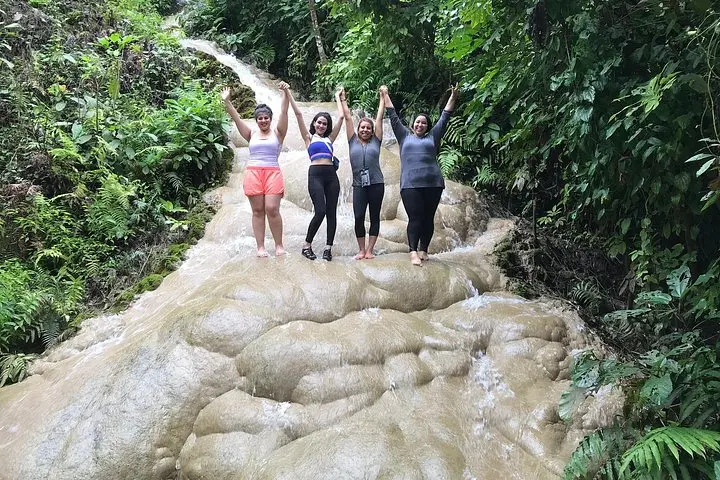
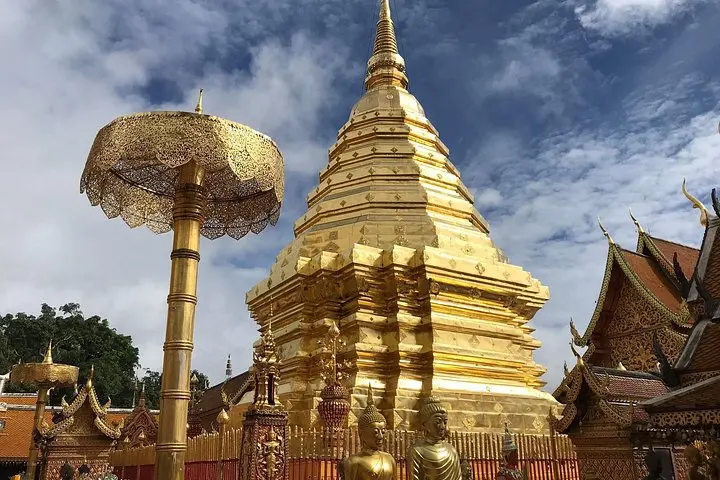
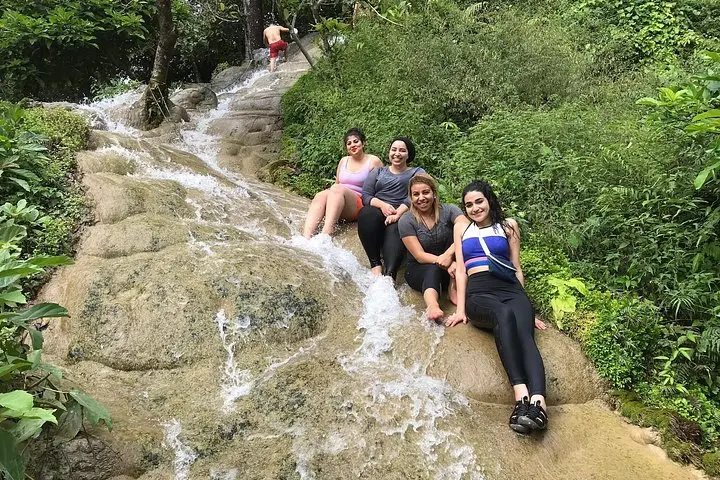
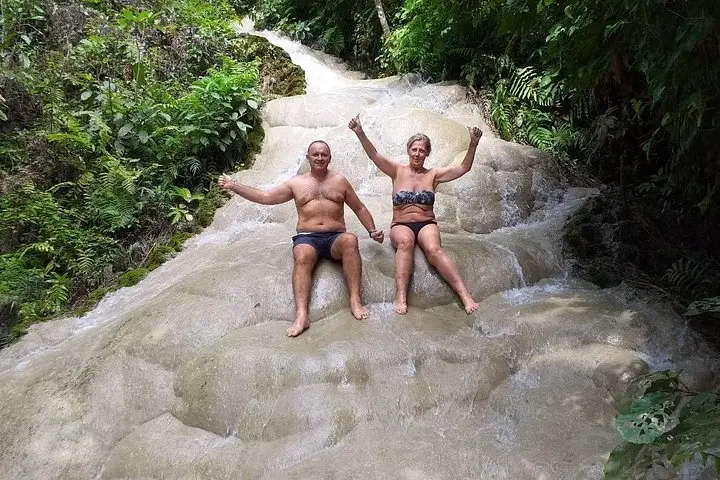
Morning light breaks over Chiang Mai as the van climbs the hairpin road toward Doi Suthep, the city shrinking beneath a band of low clouds. At the temple’s foot you choose stairs or the funicular; either way the climb winds through teak and bamboo until the golden chedi appears, flashing against the highland sky. Later the tour eases into a different rhythm at Bua Tong — the so-called “sticky” waterfall — where rough, calcified limestone grips your shoes and hands, letting you scramble straight up cascades that elsewhere would be slick with moss.
Morning light breaks over Chiang Mai as the van climbs the hairpin road toward Doi Suthep, the city shrinking beneath a band of low clouds. At the temple’s foot you choose stairs or the funicular; either way the climb winds through teak and bamboo until the golden chedi appears, flashing against the highland sky. Later the tour eases into a different rhythm at Bua Tong — the so-called “sticky” waterfall — where rough, calcified limestone grips your shoes and hands, letting you scramble straight up cascades that elsewhere would be slick with moss.
Doi Suthep sits within Doi Suthep–Pui National Park and dates back to the 14th century, its gilded pagoda said to contain a relic of the Buddha. Geologically, Bua Tong’s climbable surface is a buildup of calcium carbonate that creates natural footholds; culturally, both sites reflect northern Thai Lanna traditions seen in temple art and village life. Local guides often include stops at an orchid farm and a Hmong village for quick cultural context.
Practical edge: expect a full 7–8 hour day with hotel pickup; wear modest clothing for the temple (shoulders covered) and bring swimwear for the falls. Choose grippy shoes you don’t mind getting wet; the sun intensifies once you leave the forest canopy, so sunscreen and hydration are essential. Leave offerings and take photos respectfully, remove shoes before entering temple buildings, and plan the visit early to avoid mid-day heat and crowds.