THE ADVENTURE COLLECTIVE® · Independent discovery and booking for outdoor travel

Spend a full day from Chiang Mai observing elephants at a cooperative, learning bamboo-raft handling, dining on local cuisine and swimming beneath a jungle waterfall. This active, single-day nature loop balances wildlife viewing with hands-on river time.
Spend a full day from Chiang Mai observing elephants at a cooperative, learning bamboo-raft handling, dining on local cuisine and swimming beneath a jungle waterfall. This active, single-day nature loop balances wildlife viewing with hands-on river time.
The morning opens green and humid; the trail of the van fades into a riot of palms and teak, and the low rumble of an elephant pads ahead like a moving hill. Visitors begin at a community-run elephant cooperative where the animals are tended by mahouts — not a circus of tricks but a close, observational meeting that prioritizes natural behavior.
Verified experiences and guided adventures in the surrounding area.
Operated by Kanpitcha Boonpok · Chiang Mai, Chiang Mai Province
The morning opens green and humid; the trail of the van fades into a riot of palms and teak, and the low rumble of an elephant pads ahead like a moving hill. Visitors begin at a community-run elephant cooperative where the animals are tended by mahouts — not a circus of tricks but a close, observational meeting that prioritizes natural behavior.
Northern Thailand’s hills are carved from Miocene stream deposits and older granite outcrops, channels that have fed narrow rivers and allowed cascades to form where rock resists erosion. Lanna culture shaped this landscape: elephants once hauled teak for northern kingdoms and today appear as cultural partners in sanctuaries and coffee-farming homesteads. The bamboo raft section follows a slow river; the current dares you to relax, and participants learn simple steering and balance while guides point out birds, reedbeds and river-carved rock.
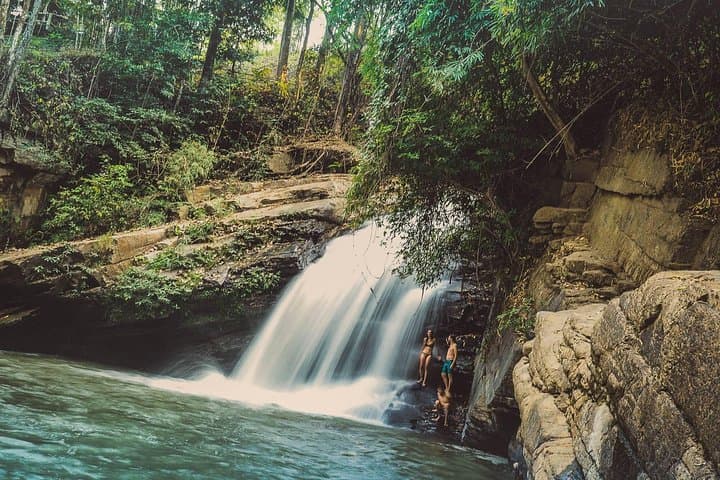
After lunch — often a local plate served riverside — the group moves deeper into jungle to a sheltered waterfall. You can swim in the plunge pool and stand beneath the falls for a natural massage where falling water pushes and pries taut shoulders loose.
Practically: expect an 8-hour day with periods of standing, short hikes over uneven ground and basic rafting balance. Wear quick-dry clothing, sturdy water shoes, and bring biodegradable sunscreen and a light waterproof layer for sudden showers. Cameras should be secure and phone waterproofing recommended. Respect handlers’ instructions around elephants: no sudden movements, keep a calm voice, and follow sanctuary rules to support ethical tourism and ongoing conservation.
No — this cooperative emphasizes observational interactions and care; riding is not part of the experience.
The plunge pool is shallow in places but uneven; basic swimming ability and following guide directions are required.
Private transportation is included in the tour package, with pick-up typically from central Chiang Mai hotels.
Bottled water and a local lunch are included; notify providers ahead for dietary restrictions.
Kanpitcha Boonpok operates guided outdoor trips and adventures with an emphasis on safety, stewardship, and memorable experiences.


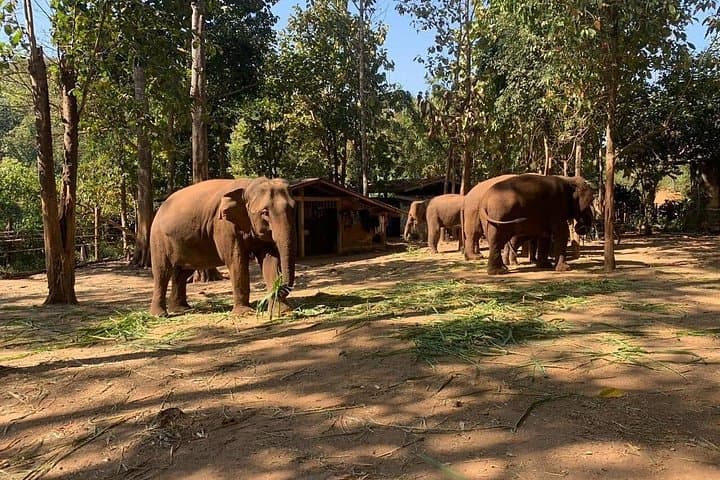
The morning opens green and humid; the trail of the van fades into a riot of palms and teak, and the low rumble of an elephant pads ahead like a moving hill. Visitors begin at a community-run elephant cooperative where the animals are tended by mahouts — not a circus of tricks but a close, observational meeting that prioritizes natural behavior.
The morning opens green and humid; the trail of the van fades into a riot of palms and teak, and the low rumble of an elephant pads ahead like a moving hill. Visitors begin at a community-run elephant cooperative where the animals are tended by mahouts — not a circus of tricks but a close, observational meeting that prioritizes natural behavior.
Northern Thailand’s hills are carved from Miocene stream deposits and older granite outcrops, channels that have fed narrow rivers and allowed cascades to form where rock resists erosion. Lanna culture shaped this landscape: elephants once hauled teak for northern kingdoms and today appear as cultural partners in sanctuaries and coffee-farming homesteads. The bamboo raft section follows a slow river; the current dares you to relax, and participants learn simple steering and balance while guides point out birds, reedbeds and river-carved rock.
After lunch — often a local plate served riverside — the group moves deeper into jungle to a sheltered waterfall. You can swim in the plunge pool and stand beneath the falls for a natural massage where falling water pushes and pries taut shoulders loose.
Practically: expect an 8-hour day with periods of standing, short hikes over uneven ground and basic rafting balance. Wear quick-dry clothing, sturdy water shoes, and bring biodegradable sunscreen and a light waterproof layer for sudden showers. Cameras should be secure and phone waterproofing recommended. Respect handlers’ instructions around elephants: no sudden movements, keep a calm voice, and follow sanctuary rules to support ethical tourism and ongoing conservation.