THE ADVENTURE COLLECTIVE® · Independent discovery and booking for outdoor travel

Follow the Pilgrim’s Path up Doi Suthep, visit a 14th-century temple tucked into forest, and finish with cultural insights at a Hmong hill village. This full-day trekking tour blends easy-to-moderate trail sections with temple visits and panoramic lookouts above Chiang Mai.
Follow the Pilgrim’s Path up Doi Suthep, visit a 14th-century temple tucked into forest, and finish with cultural insights at a Hmong hill village. This full-day trekking tour blends easy-to-moderate trail sections with temple visits and panoramic lookouts above Chiang Mai.
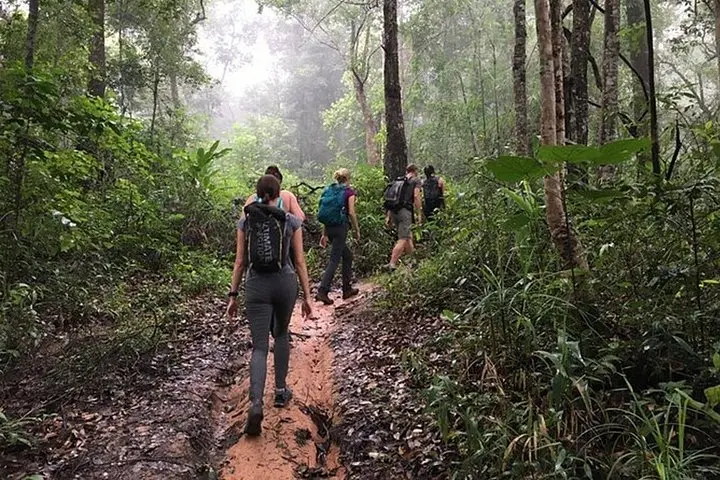
You start before the heat, stepping onto a narrow, leaf-strewn Pilgrim’s Path where orange cloth tied to trees marks the monks’ route. The forest breathes around you — humidity clinging to ferns, insects stitching the hush — and the trail rises in easy switchbacks toward temples perched like watchful elders above Chiang Mai.
Verified experiences and guided adventures in the surrounding area.
Operated by Chiang Mai Tour Company · Chiang Mai, Chiang Mai Province
You start before the heat, stepping onto a narrow, leaf-strewn Pilgrim’s Path where orange cloth tied to trees marks the monks’ route. The forest breathes around you — humidity clinging to ferns, insects stitching the hush — and the trail rises in easy switchbacks toward temples perched like watchful elders above Chiang Mai.
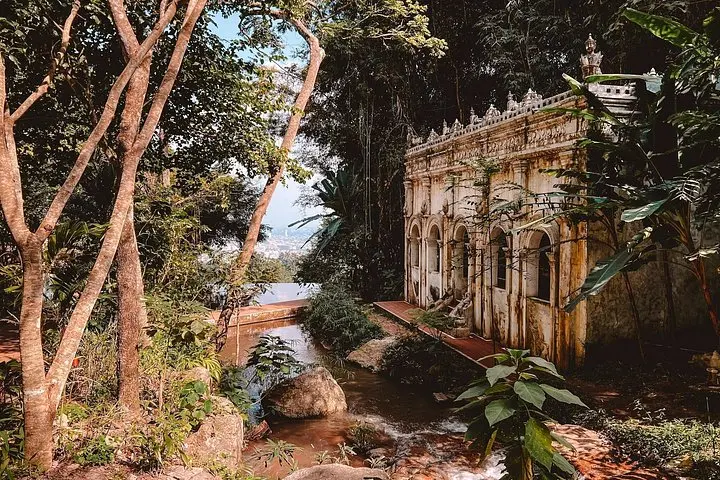
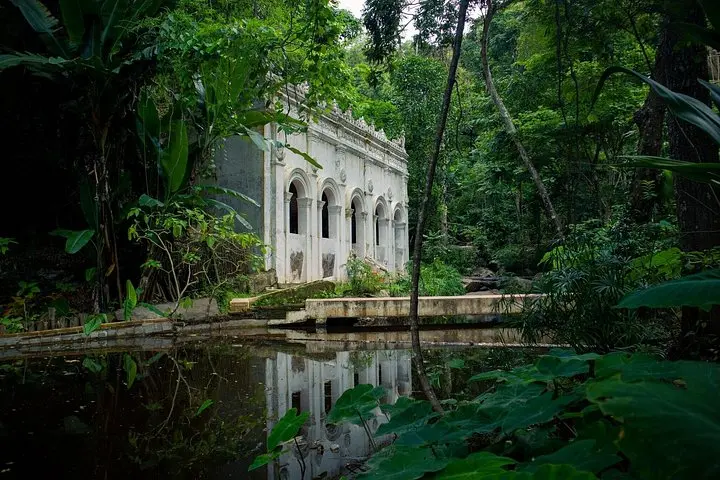
The route threads local history and geology: Lanna-era temple foundations dating to the 14th century, chedi built of laterite and brick, and hills formed from uplifted granite and alluvial soils that create the steep, forested ridges. Doi Suthep itself is both religious focal point and geological ridge offering broad views over the city.
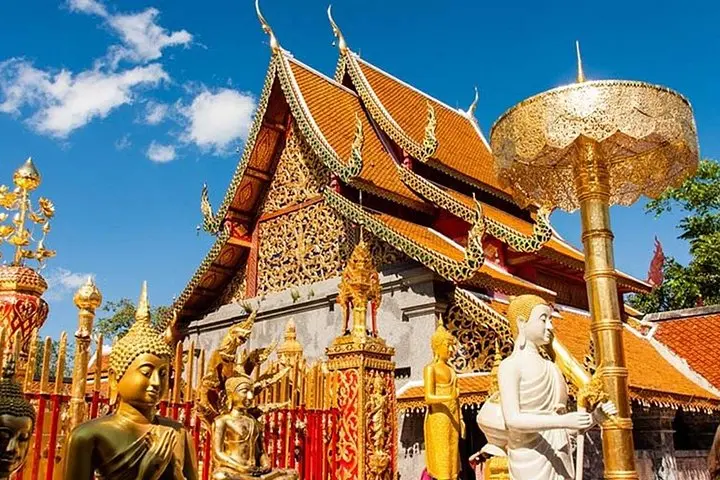
Culture arrives in the form of carved wood, chanted prayers, and the Hmong Village on Doi Pui, where textiles, a small museum, and terraced gardens reveal upland lifeways shaped by migration across Southeast Asian highlands.
Practicalities matter: this is a full-day, roughly 7–8 hour loop with a mix of easy singletrack and paved temple approaches. Expect stairs at the main chedi, uneven roots on forest sections, and short steep pitches. Hydrate early, wear grippy shoes, and bring modest clothing for temple visits. The tour includes transportation and entrance fees, so logistical details are minimal — but carry cash for village purchases and a light jacket for misty mornings.
Timing the trek for morning or late afternoon gives cooler temperatures and softer light for photography. Be mindful in village spaces: ask before photographing people, and support local vendors if you can.
Yes — entrance fees to Doi Suthep and the listed temple stops are included in the tour price.
The trek is rated moderate with gentle uphill sections and stair climbs; a basic level of fitness is recommended.
Hotel pick-up and drop-off are included; confirm your pickup point when booking.
Yes — the Hmong Village has craft stalls and simple food options; bring cash (Thai baht) for purchases.
Chiang Mai Tour Company operates guided outdoor trips and adventures with an emphasis on safety, stewardship, and memorable experiences.
You start before the heat, stepping onto a narrow, leaf-strewn Pilgrim’s Path where orange cloth tied to trees marks the monks’ route. The forest breathes around you — humidity clinging to ferns, insects stitching the hush — and the trail rises in easy switchbacks toward temples perched like watchful elders above Chiang Mai.
You start before the heat, stepping onto a narrow, leaf-strewn Pilgrim’s Path where orange cloth tied to trees marks the monks’ route. The forest breathes around you — humidity clinging to ferns, insects stitching the hush — and the trail rises in easy switchbacks toward temples perched like watchful elders above Chiang Mai.
The route threads local history and geology: Lanna-era temple foundations dating to the 14th century, chedi built of laterite and brick, and hills formed from uplifted granite and alluvial soils that create the steep, forested ridges. Doi Suthep itself is both religious focal point and geological ridge offering broad views over the city.
Culture arrives in the form of carved wood, chanted prayers, and the Hmong Village on Doi Pui, where textiles, a small museum, and terraced gardens reveal upland lifeways shaped by migration across Southeast Asian highlands.
Practicalities matter: this is a full-day, roughly 7–8 hour loop with a mix of easy singletrack and paved temple approaches. Expect stairs at the main chedi, uneven roots on forest sections, and short steep pitches. Hydrate early, wear grippy shoes, and bring modest clothing for temple visits. The tour includes transportation and entrance fees, so logistical details are minimal — but carry cash for village purchases and a light jacket for misty mornings.
Timing the trek for morning or late afternoon gives cooler temperatures and softer light for photography. Be mindful in village spaces: ask before photographing people, and support local vendors if you can.