THE ADVENTURE COLLECTIVE® · Independent discovery and booking for outdoor travel

Spend a day in Chiang Mai combining a short zipline through forest canopy, a cultural visit to a Karen long‑neck village, and the unusual experience of climbing the Sticky (Bua Thong) Waterfalls. This private tour blends adrenaline, geology, and local insight with hotel pickup and lunch included.
Spend a day in Chiang Mai combining a short zipline through forest canopy, a cultural visit to a Karen long‑neck village, and the unusual experience of climbing the Sticky (Bua Thong) Waterfalls. This private tour blends adrenaline, geology, and local insight with hotel pickup and lunch included.
The morning opens in Chiang Mai’s market alleys: steam from noodle stalls, the clack of vendors folding textiles, and a guide steering you toward the highway that climbs into the hills. By midmorning the canopy tightens and the zipline platforms peer out over green roofs—an hour of cables and harnesses that push the pulse along ridgelines and over the hum of the forest.
Verified experiences and guided adventures in the surrounding area.
Operated by Pagoda View Tours · Chiang Mai, Chiang Mai Province
The morning opens in Chiang Mai’s market alleys: steam from noodle stalls, the clack of vendors folding textiles, and a guide steering you toward the highway that climbs into the hills. By midmorning the canopy tightens and the zipline platforms peer out over green roofs—an hour of cables and harnesses that push the pulse along ridgelines and over the hum of the forest.
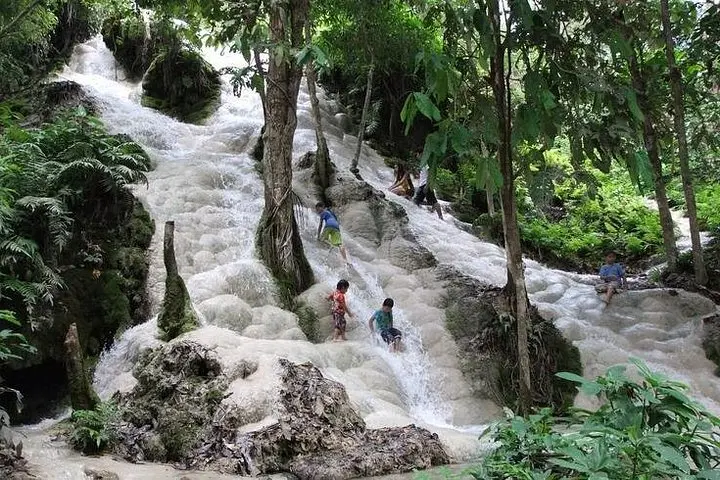
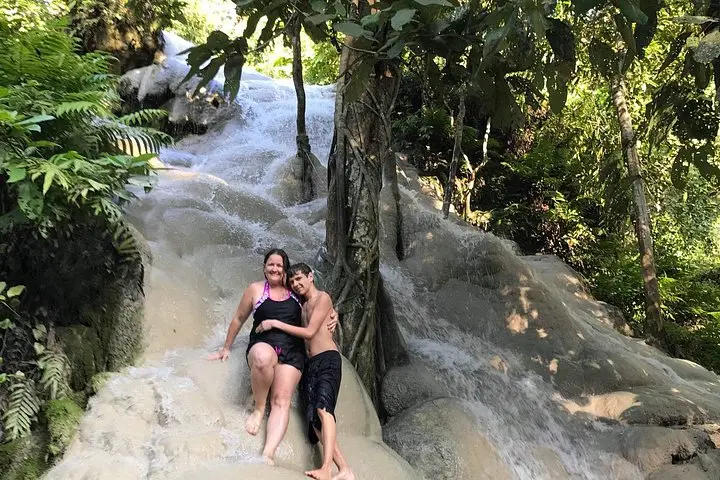
This loop pairs adventure and culture. Zipline operators often work on reclaimed teak slopes that once fed Chiang Mai’s timber trade; the region’s hilltribe villages, including Karen communities known for the brass neck rings, carry complicated histories of migration, tourism, and craft economies. Bua Thong, the so-called Sticky Waterfall, is a geologic curiosity: tufa and calcite deposits have created a grippy limestone surface that allows visitors to climb wet cascades without sliding—an unusual interaction between water and stone.
Expect varied terrain: market pavement, engineered zipline platforms, paved rural roads, and the stepped limestone of the falls. Your guide handles logistics—market stops, a local lunch, and village interpretation—so you can focus on movement and observation.
Practical notes: wear shoes with good rubber traction for the falls, bring a change of clothes and a small dry bag for electronics. Hydrate early; tropical sun and exertion add up. Be mindful when visiting villages—ask before photographing and consider buying handicrafts to support local families. The day finishes back in Chiang Mai with time to drop luggage and plan the next outing—temple visits or the night bazaar both sit within easy reach of the city center.
Yes—operators provide harnesses, safety briefings, and short training; the course included here is designed for general visitors with staff assistance.
Children can participate but must be accompanied by an adult; providers set age and weight limits for the zipline, so confirm at booking.
Expect short, non-technical climbs up limestone tiers—no ropes required—but you will be on wet rock and should be steady on your feet.
Village tourism is complex; choose operators that work respectfully with communities, avoid intrusive photos, and purchase crafts directly to support families rather than bargained middlemen.
Pagoda View Tours operates guided outdoor trips and adventures with an emphasis on safety, stewardship, and memorable experiences.
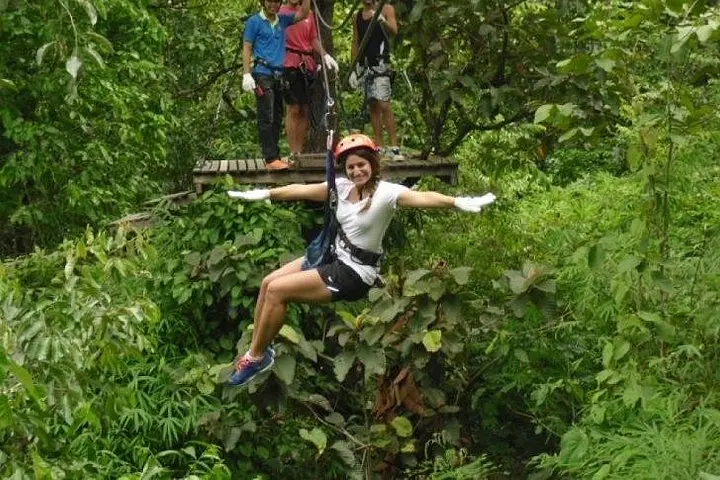

The morning opens in Chiang Mai’s market alleys: steam from noodle stalls, the clack of vendors folding textiles, and a guide steering you toward the highway that climbs into the hills. By midmorning the canopy tightens and the zipline platforms peer out over green roofs—an hour of cables and harnesses that push the pulse along ridgelines and over the hum of the forest.
The morning opens in Chiang Mai’s market alleys: steam from noodle stalls, the clack of vendors folding textiles, and a guide steering you toward the highway that climbs into the hills. By midmorning the canopy tightens and the zipline platforms peer out over green roofs—an hour of cables and harnesses that push the pulse along ridgelines and over the hum of the forest.
This loop pairs adventure and culture. Zipline operators often work on reclaimed teak slopes that once fed Chiang Mai’s timber trade; the region’s hilltribe villages, including Karen communities known for the brass neck rings, carry complicated histories of migration, tourism, and craft economies. Bua Thong, the so-called Sticky Waterfall, is a geologic curiosity: tufa and calcite deposits have created a grippy limestone surface that allows visitors to climb wet cascades without sliding—an unusual interaction between water and stone.
Expect varied terrain: market pavement, engineered zipline platforms, paved rural roads, and the stepped limestone of the falls. Your guide handles logistics—market stops, a local lunch, and village interpretation—so you can focus on movement and observation.
Practical notes: wear shoes with good rubber traction for the falls, bring a change of clothes and a small dry bag for electronics. Hydrate early; tropical sun and exertion add up. Be mindful when visiting villages—ask before photographing and consider buying handicrafts to support local families. The day finishes back in Chiang Mai with time to drop luggage and plan the next outing—temple visits or the night bazaar both sit within easy reach of the city center.