
Chiang Mai to Chiang Rai Day Tour – White Temple, Black House & Blue Temple
An early start from Chiang Mai takes you on a full-day loop through Chiang Rai’s most striking modern temples and cultural sites—the White Temple, Black House and Blue Temple. This practical guide covers what to expect, required timing, and tips for respectful visiting.
An Adventure In Chiang Mai.
An early start from Chiang Mai takes you on a full-day loop through Chiang Rai’s most striking modern temples and cultural sites—the White Temple, Black House and Blue Temple. This practical guide covers what to expect, required timing, and tips for respectful visiting.
Read the full experience
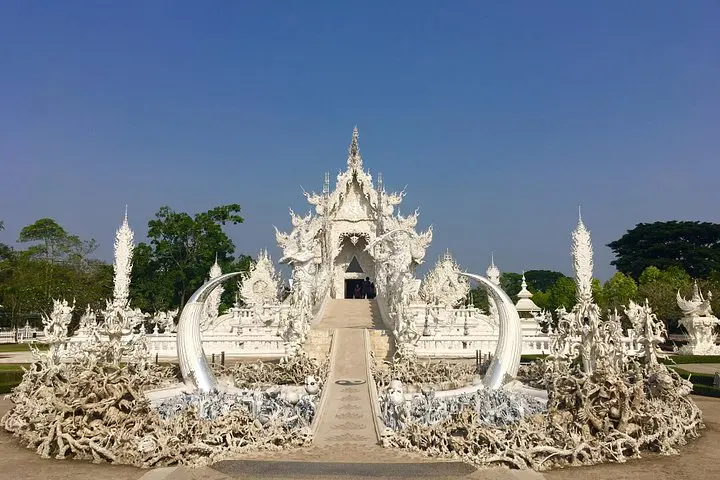
The day begins before sunrise on the highway north from Chiang Mai, the van humming through rice plains as mist lifts from the roadside canals. By midmorning you arrive at Wat Rong Khun (the White Temple): sunlight catches the mirrored glass in the white plaster and the entrance bridge seems to dare you across, a visual preface to the temple’s surreal iconography.
The day begins before sunrise on the highway north from Chiang Mai, the van humming through rice plains as mist lifts from the roadside canals. By midmorning you arrive at Wat Rong Khun (the White Temple): sunlight catches the mirrored glass in the white plaster and the entrance bridge seems to dare you across, a visual preface to the temple’s surreal iconography.
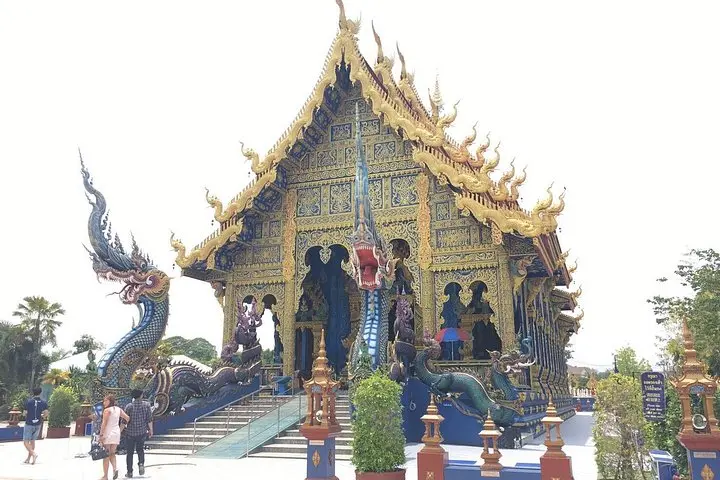
Chiang Rai’s modern attractions sit on a long history—the city was founded in the 13th century by King Mengrai and later absorbed Shan and Lanna artistic influences. Wat Rong Khun is a contemporary work by artist Chalermchai Kositpipat, while Baan Dam (the Black House) presents the darker, raw aesthetic of Thawan Duchanee in a cluster of timber pavilions. Wat Rong Seua Ten (the Blue Temple) contrasts both with saturated cobalt interiors and a striking white Buddha that rewards a closer look.
Geologically, the region is low hills and alluvial plains off the Mekong watershed; the route between Chiang Mai and Chiang Rai reveals rural farming life, roadside hot springs and small teak-and-rubber stands that feed local economies. Cultural notes: dress respectfully at temples, remove shoes, and prepare for photography rules at sacred sites.
Practical guidance: this is a full-day outing (about 10–11 hours including round-trip driving of ~190 km each way) with an English or Mandarin guide, lunch, and entrance fees per package. Wear comfortable walking shoes, sun protection, and bring small bills for donations and market purchases. Expect some walking on uneven surfaces and many opportunities for close-up temple photography.
Frequently asked questions
Most departures are from Chiang Mai hotels; the tour returns to Chiang Mai the same day, with exact pickup points confirmed at booking.
Yes: the tour includes lunch, entrance fees outlined by the selected package, and accident insurance as listed in the itinerary.
Expect roughly 380 km round trip between Chiang Mai and Chiang Rai with 6–7 hours total driving time; stops spread across the day.
Yes—this itinerary is rated 'easy' and is suitable for most ages, though some walking and steps at temple sites are required and infants must sit on laps.
About This Experience
Thailandlocaltour.com operates guided outdoor trips and adventures with an emphasis on safety, stewardship, and memorable experiences.
Adventure tips
Recommended gear
- Comfortable walking shoes: Supportive shoes handle uneven paths, temple steps, and short hikes around sites.
- Sun hat and sunglasses: Protection from strong tropical sun during roadside transfers and outdoor photo stops.
- Light rain jacket or poncho: Monsoon-season showers can appear suddenly between Chiang Mai and Chiang Rai.
- Modest cover-up or sarong: Quickly meets temple dress codes for shoulders and knees without bulky layers.
Photos of the experience
Related adventures & guides
Read the full experience
The day begins before sunrise on the highway north from Chiang Mai, the van humming through rice plains as mist lifts from the roadside canals. By midmorning you arrive at Wat Rong Khun (the White Temple): sunlight catches the mirrored glass in the white plaster and the entrance bridge seems to dare you across, a visual preface to the temple’s surreal iconography.
The day begins before sunrise on the highway north from Chiang Mai, the van humming through rice plains as mist lifts from the roadside canals. By midmorning you arrive at Wat Rong Khun (the White Temple): sunlight catches the mirrored glass in the white plaster and the entrance bridge seems to dare you across, a visual preface to the temple’s surreal iconography.
Chiang Rai’s modern attractions sit on a long history—the city was founded in the 13th century by King Mengrai and later absorbed Shan and Lanna artistic influences. Wat Rong Khun is a contemporary work by artist Chalermchai Kositpipat, while Baan Dam (the Black House) presents the darker, raw aesthetic of Thawan Duchanee in a cluster of timber pavilions. Wat Rong Seua Ten (the Blue Temple) contrasts both with saturated cobalt interiors and a striking white Buddha that rewards a closer look.
Geologically, the region is low hills and alluvial plains off the Mekong watershed; the route between Chiang Mai and Chiang Rai reveals rural farming life, roadside hot springs and small teak-and-rubber stands that feed local economies. Cultural notes: dress respectfully at temples, remove shoes, and prepare for photography rules at sacred sites.
Practical guidance: this is a full-day outing (about 10–11 hours including round-trip driving of ~190 km each way) with an English or Mandarin guide, lunch, and entrance fees per package. Wear comfortable walking shoes, sun protection, and bring small bills for donations and market purchases. Expect some walking on uneven surfaces and many opportunities for close-up temple photography.
Make a day of it nearby.
Verified experiences and guided adventures in the surrounding area.