THE ADVENTURE COLLECTIVE® · Independent discovery and booking for outdoor travel

A long, immersive day trip from Chiang Mai that pairs contemporary temple art in Chiang Rai with the transnational sweep of the Golden Triangle and a brief Mekong boat ride. Expect 13 hours on the road, bold architecture, and a riverside perspective on northern Thailand’s history.
A long, immersive day trip from Chiang Mai that pairs contemporary temple art in Chiang Rai with the transnational sweep of the Golden Triangle and a brief Mekong boat ride. Expect 13 hours on the road, bold architecture, and a riverside perspective on northern Thailand’s history.
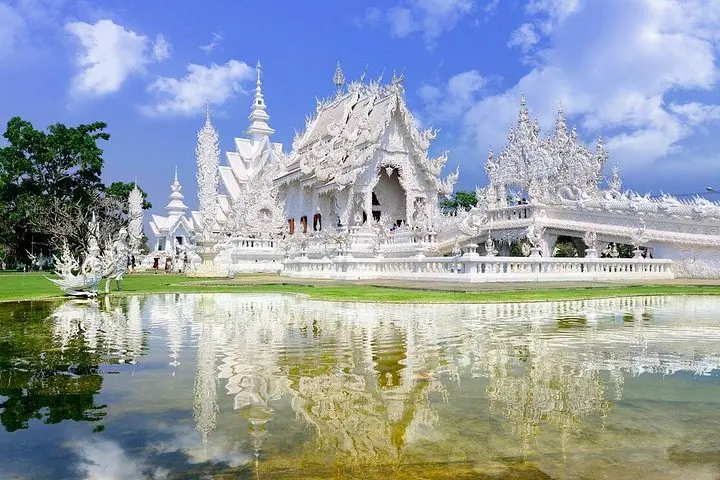
You step onto the early-morning bus in Chiang Mai as fog thins over rice paddies and the road becomes a ribbon of mountain edge. Daylight pulls the hills into hard relief; by midmorning the white shimmer of Wat Rong Khun appears like a modern mirage, mosaics flashing where sunlight meets plaster.
Verified experiences and guided adventures in the surrounding area.
Operated by Thailandlocaltour.com · Chiang Rai, Chiang Rai Province
You step onto the early-morning bus in Chiang Mai as fog thins over rice paddies and the road becomes a ribbon of mountain edge. Daylight pulls the hills into hard relief; by midmorning the white shimmer of Wat Rong Khun appears like a modern mirage, mosaics flashing where sunlight meets plaster.
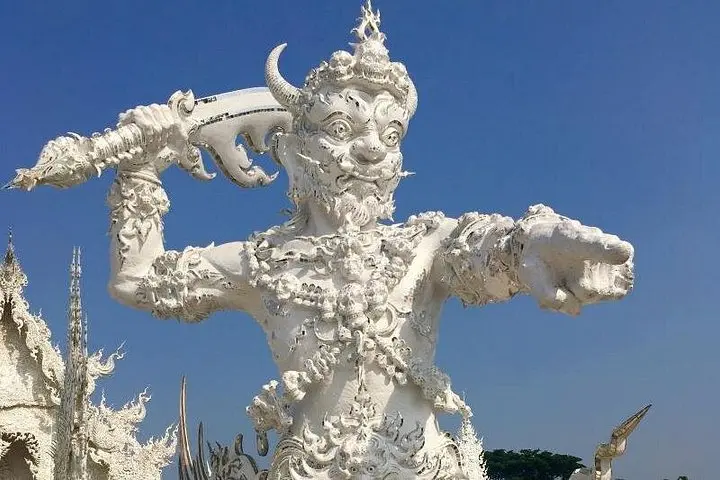
This full-day loop stitches together modern Thai artistry and frontier geography. Wat Rong Khun (the White Temple) is a contemporary shrine built by artist Chalermchai Kositpipat; nearby Baan Dam (the Black House) is Thawan Duchanee’s darker counterpoint—an eclectic collection of vernacular buildings, bone-and-wood installations and carved halls. Wat Rong Suea Ten (the Blue Temple) adds cobalt frescoes and a luminous white Buddha. The Golden Triangle gives the day a geopolitical edge: at the Mekong’s bend you can see Laos and Myanmar across the river and feel the weight of a complicated history of trade and cultivation that shaped this borderland.
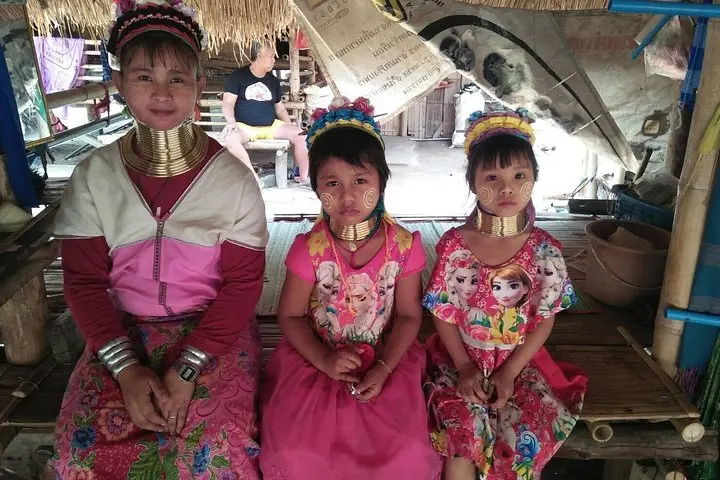
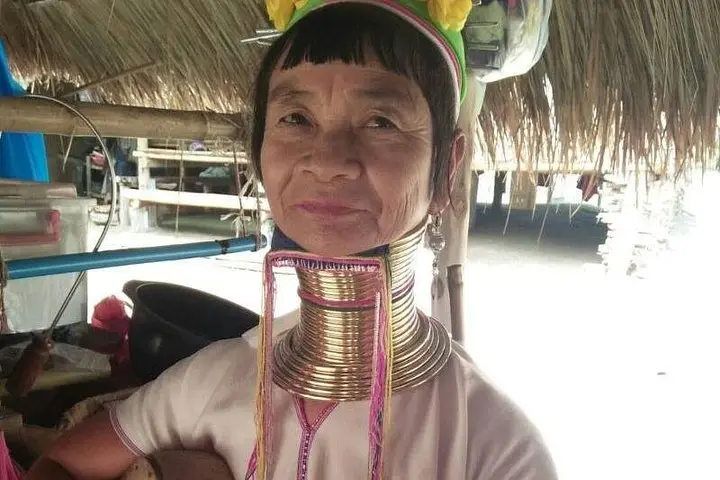
Culturally the tour mixes living villages with art-as-devotion; expect local market stalls, riverside views and a short boat cruise on the Mekong that frames the international border. Practical notes: the day is long—about 13 hours—and involves walking across temple grounds and museum exhibits, some steps and uneven wooden floors. Bring a passport copy for the boat portion, dress modestly for temples (shoulders and knees covered), wear sturdy shoes and carry water and sun protection. Start early, move at a steady pace, and allow time to absorb each site’s contrasts—bright devotion, shadowed art, and a river that quietly divides nations.
The tour runs about 13 hours round-trip from Chiang Mai with an early pickup and evening return to the city.
Most listed admissions are included in the itinerary; confirm details on booking for any optional exhibits.
Yes—this is rated easy, but it includes prolonged time on the bus and multiple short walks; inform the operator of mobility needs.
No—current arrangements are sightseeing only; border access requires proper visas and separate arrangements.
Thailandlocaltour.com operates guided outdoor trips and adventures with an emphasis on safety, stewardship, and memorable experiences.
You step onto the early-morning bus in Chiang Mai as fog thins over rice paddies and the road becomes a ribbon of mountain edge. Daylight pulls the hills into hard relief; by midmorning the white shimmer of Wat Rong Khun appears like a modern mirage, mosaics flashing where sunlight meets plaster.
You step onto the early-morning bus in Chiang Mai as fog thins over rice paddies and the road becomes a ribbon of mountain edge. Daylight pulls the hills into hard relief; by midmorning the white shimmer of Wat Rong Khun appears like a modern mirage, mosaics flashing where sunlight meets plaster.
This full-day loop stitches together modern Thai artistry and frontier geography. Wat Rong Khun (the White Temple) is a contemporary shrine built by artist Chalermchai Kositpipat; nearby Baan Dam (the Black House) is Thawan Duchanee’s darker counterpoint—an eclectic collection of vernacular buildings, bone-and-wood installations and carved halls. Wat Rong Suea Ten (the Blue Temple) adds cobalt frescoes and a luminous white Buddha. The Golden Triangle gives the day a geopolitical edge: at the Mekong’s bend you can see Laos and Myanmar across the river and feel the weight of a complicated history of trade and cultivation that shaped this borderland.
Culturally the tour mixes living villages with art-as-devotion; expect local market stalls, riverside views and a short boat cruise on the Mekong that frames the international border. Practical notes: the day is long—about 13 hours—and involves walking across temple grounds and museum exhibits, some steps and uneven wooden floors. Bring a passport copy for the boat portion, dress modestly for temples (shoulders and knees covered), wear sturdy shoes and carry water and sun protection. Start early, move at a steady pace, and allow time to absorb each site’s contrasts—bright devotion, shadowed art, and a river that quietly divides nations.