THE ADVENTURE COLLECTIVE® · Independent discovery and booking for outdoor travel

This full‑day trip from Chiang Mai combines surreal temple art, a restorative hot spring, and a visit to a Karen Long‑neck village, finishing at Lalita Café’s riverside gardens. Plan for a long but accessible day with cultural insights and strong photo opportunities.
This full‑day trip from Chiang Mai combines surreal temple art, a restorative hot spring, and a visit to a Karen Long‑neck village, finishing at Lalita Café’s riverside gardens. Plan for a long but accessible day with cultural insights and strong photo opportunities.
The day opens before dawn in Chiang Mai, the van easing onto a ribbon of highway as farmland slips by—rice paddies silver with morning mist, roadside temples peeking through trees. After an hour and a half you’ll feel the land change: steam rising from a natural hot spring, then the deliberate stillness of a Karen Long‑neck village where artisans thread brass rings and tell stories shaped by cross‑border histories.
Verified experiences and guided adventures in the surrounding area.
Operated by Trips Chiang Mai · Chiang Rai, Chiang Rai
The day opens before dawn in Chiang Mai, the van easing onto a ribbon of highway as farmland slips by—rice paddies silver with morning mist, roadside temples peeking through trees. After an hour and a half you’ll feel the land change: steam rising from a natural hot spring, then the deliberate stillness of a Karen Long‑neck village where artisans thread brass rings and tell stories shaped by cross‑border histories.
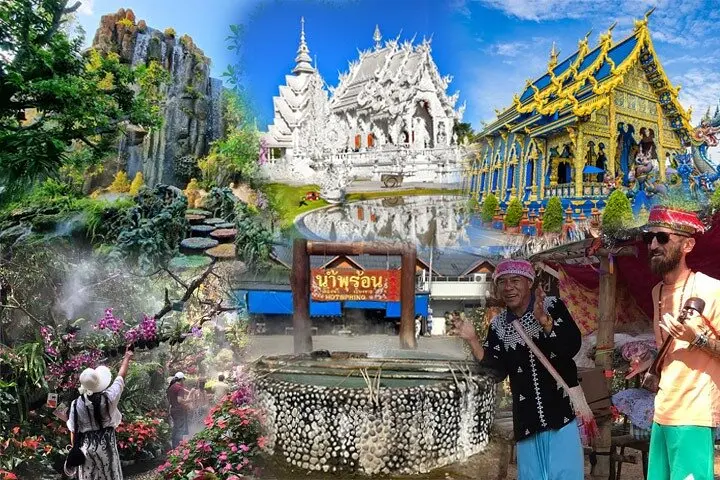
Wat Rong Khun (the White Temple) arrives like a folded idea of light—contemporary Buddhist iconography rendered in white plaster and mirrored glass, a modern shrine by a living Thai artist. Nearby, Wat Rong Suea Ten (the Blue Temple) offers a different mood: cobalt halls, gold filigree and intimate murals that catch camera lenses. Geologically, the region’s hot springs reflect Northern Thailand’s tectonic warmth; culturally, the day traces Shan, Tai and Karen influences that shape northern rituals and crafts.
Practical notes: expect a 12–13 hour day with a mix of short walks, photo stops and time at market stalls. Respect temple dress codes—shoulders and knees covered—and bring cash for small community fees and souvenirs; a portion of some village admissions supports local services. The tour is low-impact physically but long on time in a vehicle, so hydrate and plan for winding roads.
Timing your visit for early morning departures reduces crowds at the White Temple and gives you clearer light for photos at Lalita Café’s riverside gardens and waterfalls. Pack sun protection, sensible shoes for uneven temple grounds, and a small reusable bottle to minimize plastic waste.
The tour is approximately 12–13 hours (720–780 minutes) and departs from Chiang Mai with hotel pickup within the city.
Entrance to the White Temple is included; other sites like the hill tribe village may have optional admission fees noted in the itinerary.
Yes—ending in Chiang Rai is possible, but you must request this at least 3 days in advance and expect a roadside drop-off if hotel transfer isn’t available.
The tour is physically easy but includes 3–4 hours of winding roads—infants must sit on laps and families should consider comfort before booking.
Trips Chiang Mai operates guided outdoor trips and adventures with an emphasis on safety, stewardship, and memorable experiences.
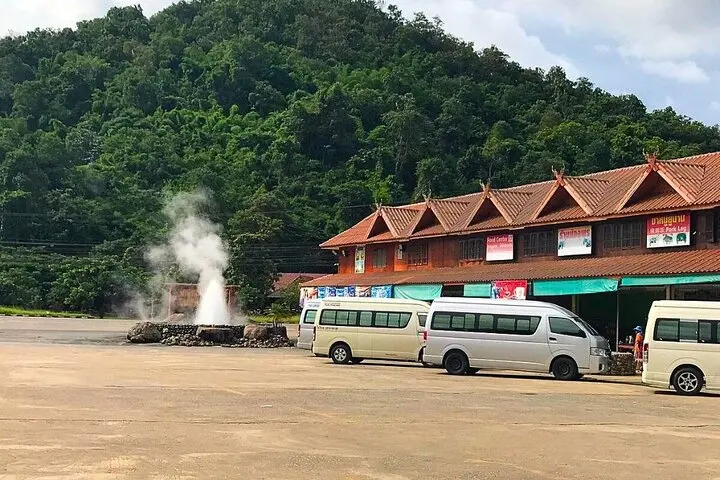
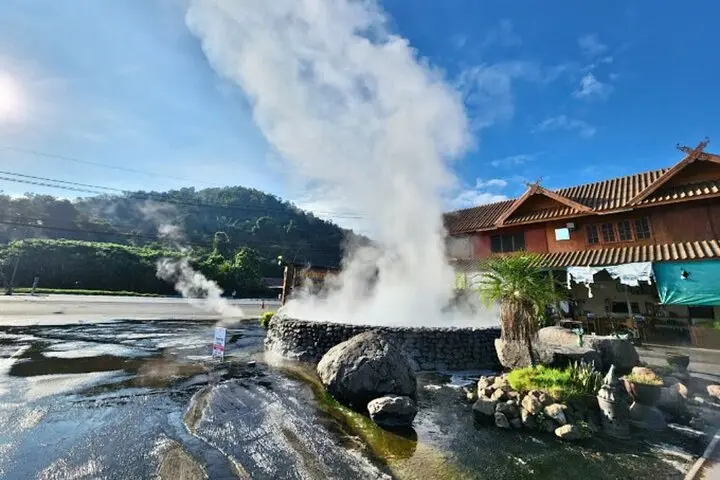
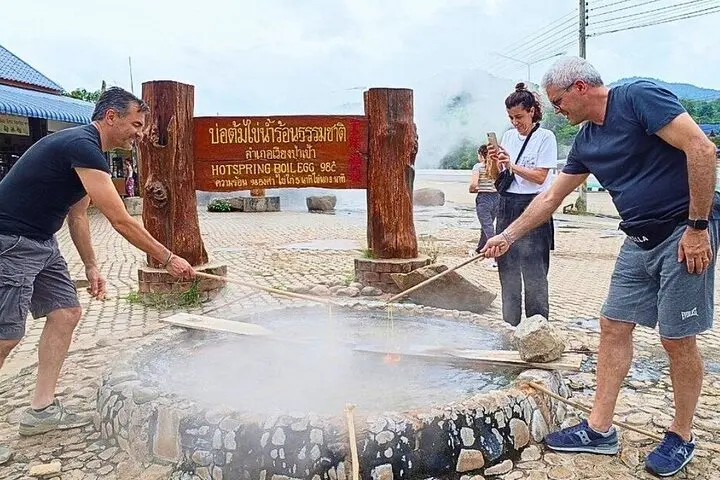
The day opens before dawn in Chiang Mai, the van easing onto a ribbon of highway as farmland slips by—rice paddies silver with morning mist, roadside temples peeking through trees. After an hour and a half you’ll feel the land change: steam rising from a natural hot spring, then the deliberate stillness of a Karen Long‑neck village where artisans thread brass rings and tell stories shaped by cross‑border histories.
The day opens before dawn in Chiang Mai, the van easing onto a ribbon of highway as farmland slips by—rice paddies silver with morning mist, roadside temples peeking through trees. After an hour and a half you’ll feel the land change: steam rising from a natural hot spring, then the deliberate stillness of a Karen Long‑neck village where artisans thread brass rings and tell stories shaped by cross‑border histories.
Wat Rong Khun (the White Temple) arrives like a folded idea of light—contemporary Buddhist iconography rendered in white plaster and mirrored glass, a modern shrine by a living Thai artist. Nearby, Wat Rong Suea Ten (the Blue Temple) offers a different mood: cobalt halls, gold filigree and intimate murals that catch camera lenses. Geologically, the region’s hot springs reflect Northern Thailand’s tectonic warmth; culturally, the day traces Shan, Tai and Karen influences that shape northern rituals and crafts.
Practical notes: expect a 12–13 hour day with a mix of short walks, photo stops and time at market stalls. Respect temple dress codes—shoulders and knees covered—and bring cash for small community fees and souvenirs; a portion of some village admissions supports local services. The tour is low-impact physically but long on time in a vehicle, so hydrate and plan for winding roads.
Timing your visit for early morning departures reduces crowds at the White Temple and gives you clearer light for photos at Lalita Café’s riverside gardens and waterfalls. Pack sun protection, sensible shoes for uneven temple grounds, and a small reusable bottle to minimize plastic waste.