THE ADVENTURE COLLECTIVE® · Independent discovery and booking for outdoor travel

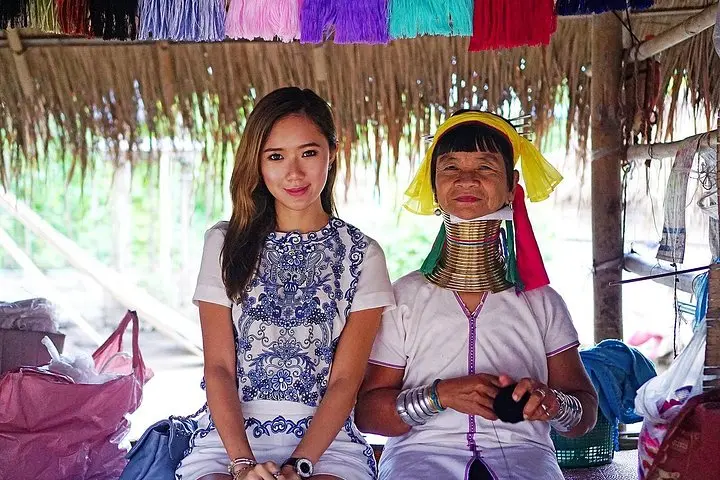
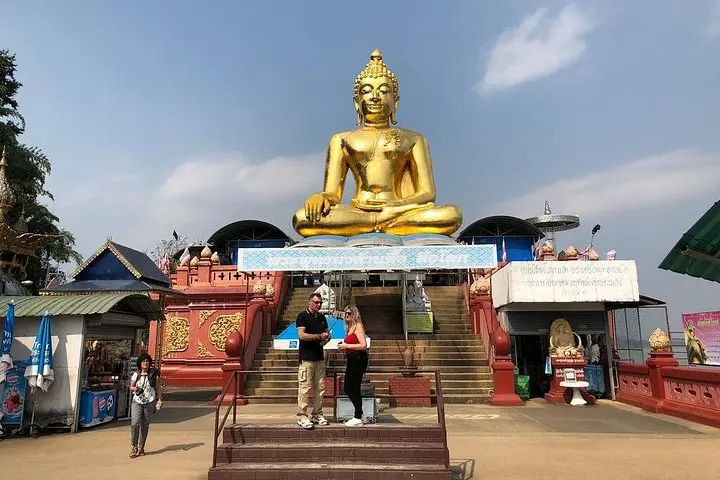
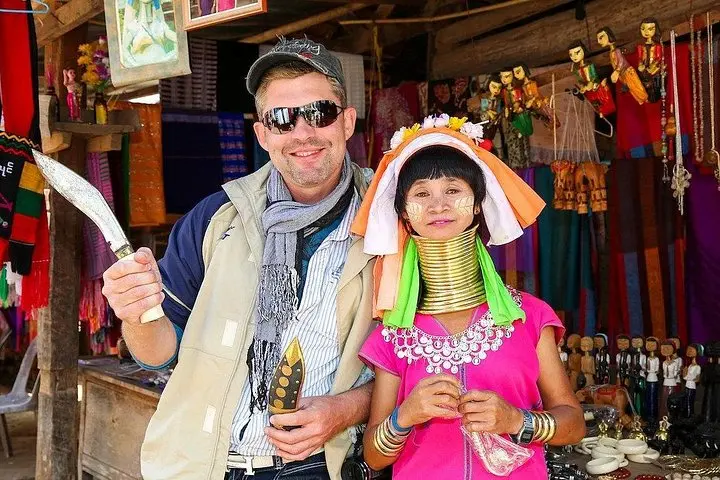
A long, driven day from Chiang Mai that stitches together Wat Rong Khun, the Golden Triangle and a Long Neck hill-tribe visit. Expect temple art, river views and a short boat hop to glimpse the Laos shore.
A long, driven day from Chiang Mai that stitches together Wat Rong Khun, the Golden Triangle and a Long Neck hill-tribe visit. Expect temple art, river views and a short boat hop to glimpse the Laos shore.
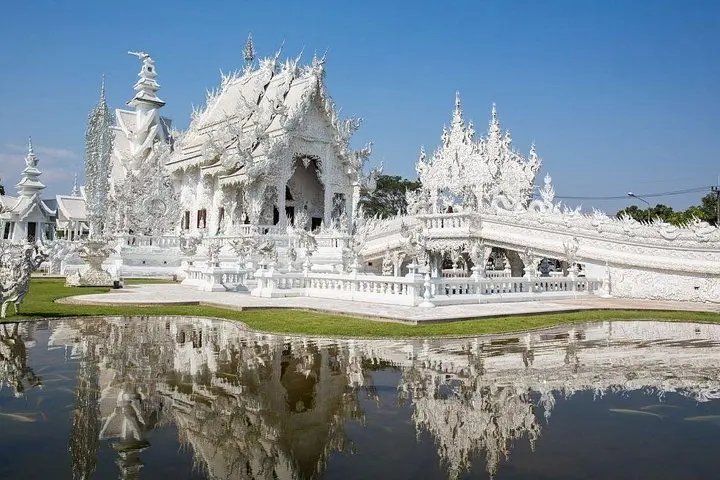
You step into a wide northern sky before dawn, the minivan cutting through rice plains while mountains sharpen along the horizon. By mid-morning the White Temple’s bright plaster and glass edges catch the sun like a modern shrine to detail; later the Mekong spreads out, slow and deliberate, daring you to imagine borders drawn on water.
Verified experiences and guided adventures in the surrounding area.
Operated by Sightseeingbangkok.com · Chiang Rai, Chiang Rai Province
You step into a wide northern sky before dawn, the minivan cutting through rice plains while mountains sharpen along the horizon. By mid-morning the White Temple’s bright plaster and glass edges catch the sun like a modern shrine to detail; later the Mekong spreads out, slow and deliberate, daring you to imagine borders drawn on water.
This loop through Chiang Rai Province moves from recent artistic expression to centuries-old trade routes. Wat Rong Khun was rebuilt in the 1990s by artist Chalermchai Kositpipat and blends contemporary motifs with Buddhist iconography. Geologically, the Golden Triangle sits where the Ruak empties into the Mekong, a broad floodplain carved by seasonal flows and monsoon-fed tributaries that shaped cross-border commerce for generations. The hill-tribe villages reflect complex migration and interethnic histories; encounters are cultural, often conducted under the watchful eyes of local elders.
Practical guidance: the full itinerary is a long, shared-day format—expect about 12 hours including multiple short stops, one lunch, and an optional ~20–40 minute boat ride to the Laos shore (carry your passport and small change for boat fees). Wear modest clothing for temple visits (shoulders and knees covered), comfortable shoes for uneven surfaces, and sun protection—northern Thailand can be hot and dusty between November and April and wet in the monsoon.
Bring a refillable bottle, waterproof layer in rainy season, and patience for drives between sites. The trip is best for travelers who want a concentrated, accessible introduction to Chiang Rai’s landmark sights without overnight logistics.
The transfer takes around 3–4 hours each way depending on traffic and stops; total tour time is about 12 hours.
Most tours include the standard entrance fee to Wat Rong Khun; confirm with your operator and have small cash on hand for any optional donations.
Village visits vary; choose operators that support local communities, avoid intrusive photography, and follow guides’ instructions—ask how proceeds support residents.
No special vaccinations beyond routine travel shots are required for Thailand, but bring your passport if you plan the short boat ride to the Laos bank; visa rules depend on nationality.
Sightseeingbangkok.com operates guided outdoor trips and adventures with an emphasis on safety, stewardship, and memorable experiences.
You step into a wide northern sky before dawn, the minivan cutting through rice plains while mountains sharpen along the horizon. By mid-morning the White Temple’s bright plaster and glass edges catch the sun like a modern shrine to detail; later the Mekong spreads out, slow and deliberate, daring you to imagine borders drawn on water.
You step into a wide northern sky before dawn, the minivan cutting through rice plains while mountains sharpen along the horizon. By mid-morning the White Temple’s bright plaster and glass edges catch the sun like a modern shrine to detail; later the Mekong spreads out, slow and deliberate, daring you to imagine borders drawn on water.
This loop through Chiang Rai Province moves from recent artistic expression to centuries-old trade routes. Wat Rong Khun was rebuilt in the 1990s by artist Chalermchai Kositpipat and blends contemporary motifs with Buddhist iconography. Geologically, the Golden Triangle sits where the Ruak empties into the Mekong, a broad floodplain carved by seasonal flows and monsoon-fed tributaries that shaped cross-border commerce for generations. The hill-tribe villages reflect complex migration and interethnic histories; encounters are cultural, often conducted under the watchful eyes of local elders.
Practical guidance: the full itinerary is a long, shared-day format—expect about 12 hours including multiple short stops, one lunch, and an optional ~20–40 minute boat ride to the Laos shore (carry your passport and small change for boat fees). Wear modest clothing for temple visits (shoulders and knees covered), comfortable shoes for uneven surfaces, and sun protection—northern Thailand can be hot and dusty between November and April and wet in the monsoon.
Bring a refillable bottle, waterproof layer in rainy season, and patience for drives between sites. The trip is best for travelers who want a concentrated, accessible introduction to Chiang Rai’s landmark sights without overnight logistics.