THE ADVENTURE COLLECTIVE® · Independent discovery and booking for outdoor travel

Customize a full-day private tour from Chiang Rai to the Golden Triangle—visit iconic temples, tea plantations and take a Mekong boat ride. This flexible itinerary pairs cultural insight with natural viewpoints and practical guidance for a long, rewarding day.
Customize a full-day private tour from Chiang Rai to the Golden Triangle—visit iconic temples, tea plantations and take a Mekong boat ride. This flexible itinerary pairs cultural insight with natural viewpoints and practical guidance for a long, rewarding day.
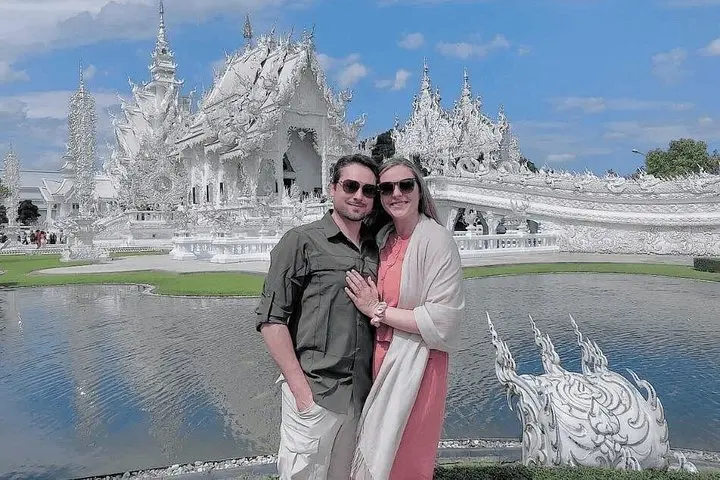
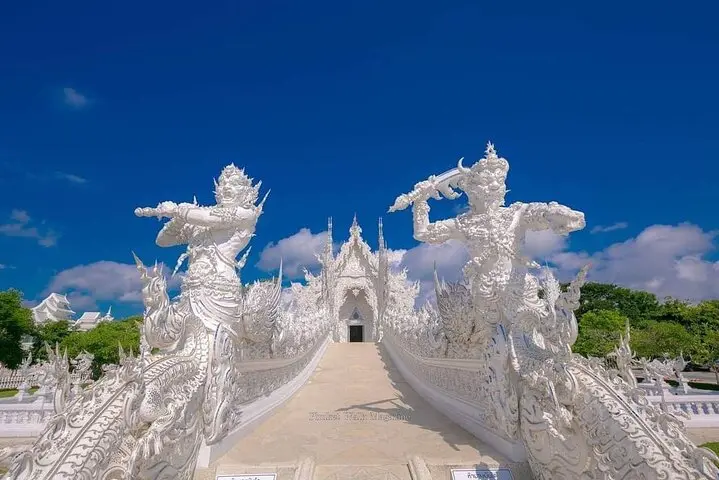
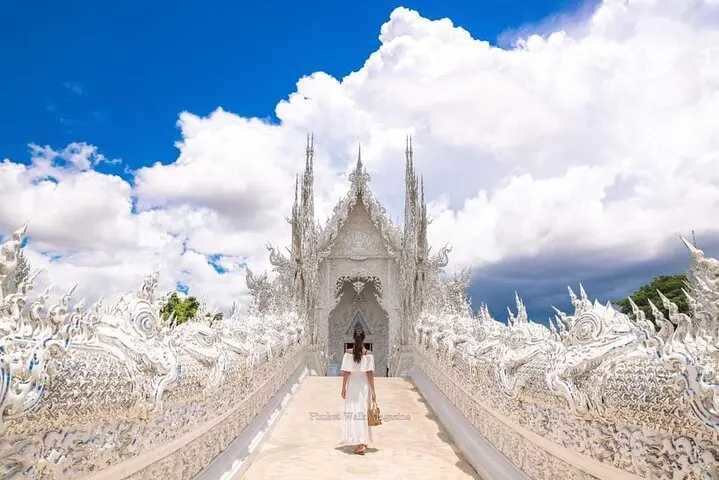
You step into a spacious SUV before sunrise; the driver eases onto a road that threads bamboo stands and tea terraces, while the Mekong, patient and wide, dares you to follow its curve toward three nations. The day unfolds in distinct chapters: alabaster filigree at Wat Rong Khun, cobalt mosaics at the Blue Temple, jagged black timber at Baan Dam, and a low-slung long-tail slipping past Don Sao island.
Verified experiences and guided adventures in the surrounding area.
Operated by Chiangmai Private Tours · Chiang Rai, Chiang Rai Province
You step into a spacious SUV before sunrise; the driver eases onto a road that threads bamboo stands and tea terraces, while the Mekong, patient and wide, dares you to follow its curve toward three nations. The day unfolds in distinct chapters: alabaster filigree at Wat Rong Khun, cobalt mosaics at the Blue Temple, jagged black timber at Baan Dam, and a low-slung long-tail slipping past Don Sao island.
This route crosses living history. Chiang Rai sits on Lao and Burmese trade corridors and grew into a cultural crossroads—hill-tribe communities, Shan and Lanna influences, and a 20th-century opium economy that shaped the Golden Triangle’s story. Geology here is folded highland: granitic ridges, terraced hills, and the Mekong’s broad floodplain carving national borders.
Local culture presents in craft, temple etiquette, and tea fields where Choui Fong’s slopes release a clean, cooling aroma. Respectful interaction matters—ask before photographing people and support cooperative-run stalls.
Practically, expect a 12–13 hour private day: comfortable road travel, frequent short walks, and several stair-climbed temple viewpoints. Bring cash for small entry fees (Wat Rong Khun’s main hall has a modest charge), a hat, sunscreen and a light rain layer in monsoon months. Dress to cover shoulders and knees for temples; wear grippy shoes for teraced paths. If you plan to step onto Don Sao or photograph across the Mekong, have your passport handy.
A customized private tour gives pace—pick five stops, add detours, and shape a long day into a compact portrait of northern Thailand’s culture and riverside wilds.
Most standard temple grounds are free but special halls (e.g., White Temple main hall) and some museums charge small fees; boat rides at the Golden Triangle are usually an extra—confirm when booking.
Short marketplace stops at Don Sao are usually organized without a visa requirement, but always carry your passport; policies can change and longer visits may require a visa.
Yes—travel is by private vehicle with flexible pacing, but the full day involves several hours of driving and short walks; not recommended for guests with serious spinal or cardiac conditions.
Yes—this private tour advertises pick-your-five-stops flexibility and allows extra detours and photo stops; discuss preferences with the TAT-certified guide during booking.
Chiangmai Private Tours operates guided outdoor trips and adventures with an emphasis on safety, stewardship, and memorable experiences.
You step into a spacious SUV before sunrise; the driver eases onto a road that threads bamboo stands and tea terraces, while the Mekong, patient and wide, dares you to follow its curve toward three nations. The day unfolds in distinct chapters: alabaster filigree at Wat Rong Khun, cobalt mosaics at the Blue Temple, jagged black timber at Baan Dam, and a low-slung long-tail slipping past Don Sao island.
You step into a spacious SUV before sunrise; the driver eases onto a road that threads bamboo stands and tea terraces, while the Mekong, patient and wide, dares you to follow its curve toward three nations. The day unfolds in distinct chapters: alabaster filigree at Wat Rong Khun, cobalt mosaics at the Blue Temple, jagged black timber at Baan Dam, and a low-slung long-tail slipping past Don Sao island.
This route crosses living history. Chiang Rai sits on Lao and Burmese trade corridors and grew into a cultural crossroads—hill-tribe communities, Shan and Lanna influences, and a 20th-century opium economy that shaped the Golden Triangle’s story. Geology here is folded highland: granitic ridges, terraced hills, and the Mekong’s broad floodplain carving national borders.
Local culture presents in craft, temple etiquette, and tea fields where Choui Fong’s slopes release a clean, cooling aroma. Respectful interaction matters—ask before photographing people and support cooperative-run stalls.
Practically, expect a 12–13 hour private day: comfortable road travel, frequent short walks, and several stair-climbed temple viewpoints. Bring cash for small entry fees (Wat Rong Khun’s main hall has a modest charge), a hat, sunscreen and a light rain layer in monsoon months. Dress to cover shoulders and knees for temples; wear grippy shoes for teraced paths. If you plan to step onto Don Sao or photograph across the Mekong, have your passport handy.
A customized private tour gives pace—pick five stops, add detours, and shape a long day into a compact portrait of northern Thailand’s culture and riverside wilds.