THE ADVENTURE COLLECTIVE® · Independent discovery and booking for outdoor travel

Walk from Pa Soert Hot Spring through bamboo groves, tea terraces and remote hill‑tribe villages to a forest waterfall, enjoy bamboo‑cooked lunch, then soak in mineral waters. This guided 10–12 km day trek pairs cultural stops with a true jungle walk.
Walk from Pa Soert Hot Spring through bamboo groves, tea terraces and remote hill‑tribe villages to a forest waterfall, enjoy bamboo‑cooked lunch, then soak in mineral waters. This guided 10–12 km day trek pairs cultural stops with a true jungle walk.
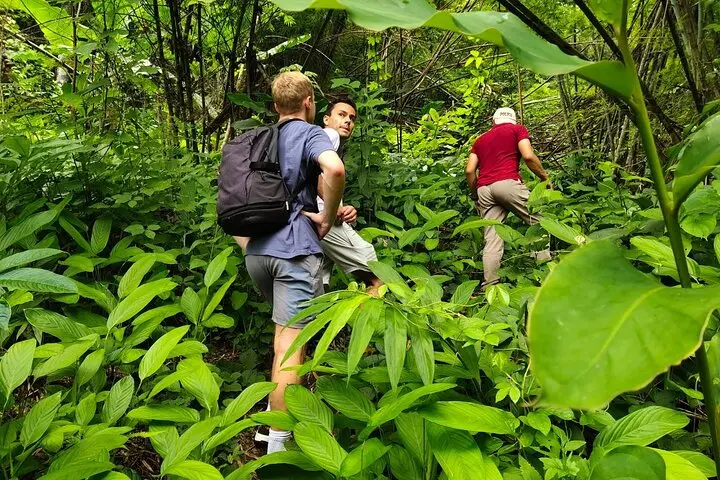
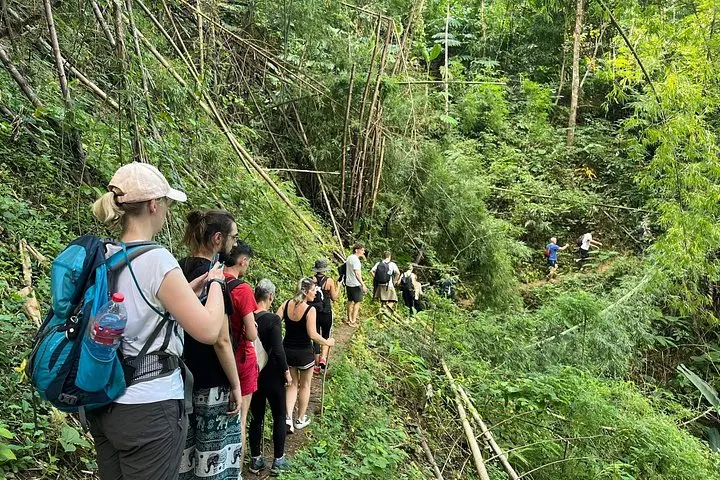
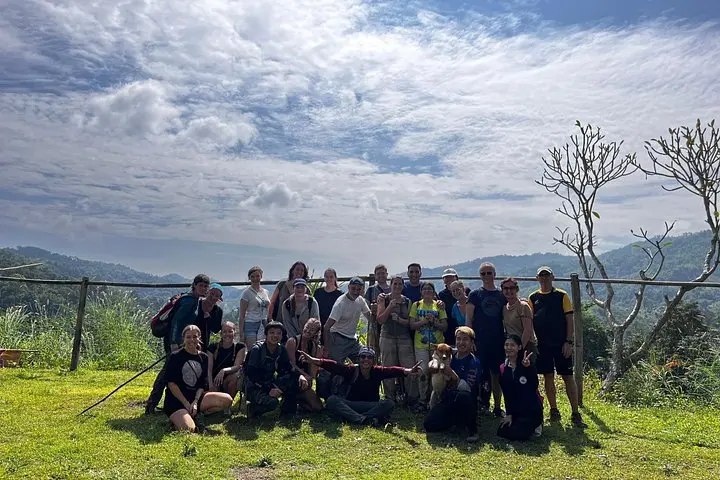
A damp dawn lifts off the valley as walkers file into an air‑conditioned van outside Chiang Rai; the road slips past rice paddies and tea terraces, then gives way to the breathing green of bamboo and secondary jungle. The guided route moves from Pa Soert Hot Spring through tea plantations, farmland and rice fields, threading visits to Lahu and Akha villages before reaching the province’s forested waterfalls.
Verified experiences and guided adventures in the surrounding area.
Operated by Scorpions Tours · Chiang Rai, Chiang Rai
A damp dawn lifts off the valley as walkers file into an air‑conditioned van outside Chiang Rai; the road slips past rice paddies and tea terraces, then gives way to the breathing green of bamboo and secondary jungle. The guided route moves from Pa Soert Hot Spring through tea plantations, farmland and rice fields, threading visits to Lahu and Akha villages before reaching the province’s forested waterfalls.
Geology here is folded granite and older metamorphic rock cut by streams that have shaped stepped falls and plunge pools—the very channels the trek follows. Culturally the trail intersects hill‑tribe communities with living traditions: local handicrafts, communal farm plots and a cuisine that uses bamboo both as a cooking vessel and cookware.
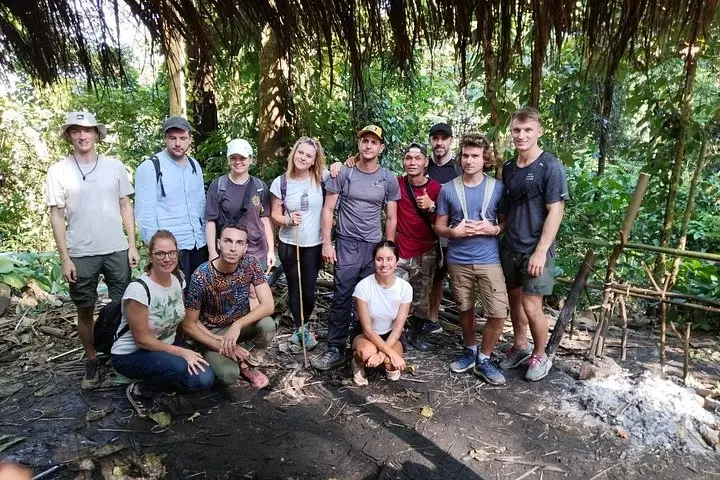
Expect roughly 10–12 km of walking over uneven, sometimes steep singletrack and dirt roads; the operator schedules about five hours including stops. A midday bamboo‑cooked lunch is a highlight—rice and local vegetables steamed inside split bamboo—followed by a soak in mineral‑warm waters at Pa Soert to ease tired legs.
Practical guidance: start early to avoid the hottest sun, bring a swim kit for waterfall pools, and wear sturdy trail shoes with good tread for wet roots and clay. Carry at least 2 liters of water, insect repellent, and a light rain shell during monsoon months. Respect private and village spaces—ask before photographing people or entering homes. The route is best for fit day‑hikers in good cardiovascular condition; guides handle logistics and local navigation so no advanced technical skills are required.
Lunch (bamboo‑cooked), drinking water, transport in an air‑conditioned vehicle, insurance and a local guide are included.
The route covers about 10–12 km over roughly five hours with uneven, sometimes steep sections—suitable for fit hikers.
Yes; guides typically allow swimming at designated spots—bring a swim kit and be cautious of slippery rocks and strong currents after heavy rain.
Not recommended for pregnant travelers, those with spinal injuries, poor cardiovascular health, or very limited mobility; providers often request passenger details at booking.
Scorpions Tours operates guided outdoor trips and adventures with an emphasis on safety, stewardship, and memorable experiences.
A damp dawn lifts off the valley as walkers file into an air‑conditioned van outside Chiang Rai; the road slips past rice paddies and tea terraces, then gives way to the breathing green of bamboo and secondary jungle. The guided route moves from Pa Soert Hot Spring through tea plantations, farmland and rice fields, threading visits to Lahu and Akha villages before reaching the province’s forested waterfalls.
A damp dawn lifts off the valley as walkers file into an air‑conditioned van outside Chiang Rai; the road slips past rice paddies and tea terraces, then gives way to the breathing green of bamboo and secondary jungle. The guided route moves from Pa Soert Hot Spring through tea plantations, farmland and rice fields, threading visits to Lahu and Akha villages before reaching the province’s forested waterfalls.
Geology here is folded granite and older metamorphic rock cut by streams that have shaped stepped falls and plunge pools—the very channels the trek follows. Culturally the trail intersects hill‑tribe communities with living traditions: local handicrafts, communal farm plots and a cuisine that uses bamboo both as a cooking vessel and cookware.
Expect roughly 10–12 km of walking over uneven, sometimes steep singletrack and dirt roads; the operator schedules about five hours including stops. A midday bamboo‑cooked lunch is a highlight—rice and local vegetables steamed inside split bamboo—followed by a soak in mineral‑warm waters at Pa Soert to ease tired legs.
Practical guidance: start early to avoid the hottest sun, bring a swim kit for waterfall pools, and wear sturdy trail shoes with good tread for wet roots and clay. Carry at least 2 liters of water, insect repellent, and a light rain shell during monsoon months. Respect private and village spaces—ask before photographing people or entering homes. The route is best for fit day‑hikers in good cardiovascular condition; guides handle logistics and local navigation so no advanced technical skills are required.