THE ADVENTURE COLLECTIVE® · Independent discovery and booking for outdoor travel

Drive the ancient Cassia Vetus from Florence into the heart of Chianti—stop in Greve, climb Montefioralle’s stone lanes, then finish at a family wine estate for cellar insights and a paired Tuscan meal. Practical walking, rich history, and classic Chianti Classico tasting in one six-hour day.
Drive the ancient Cassia Vetus from Florence into the heart of Chianti—stop in Greve, climb Montefioralle’s stone lanes, then finish at a family wine estate for cellar insights and a paired Tuscan meal. Practical walking, rich history, and classic Chianti Classico tasting in one six-hour day.
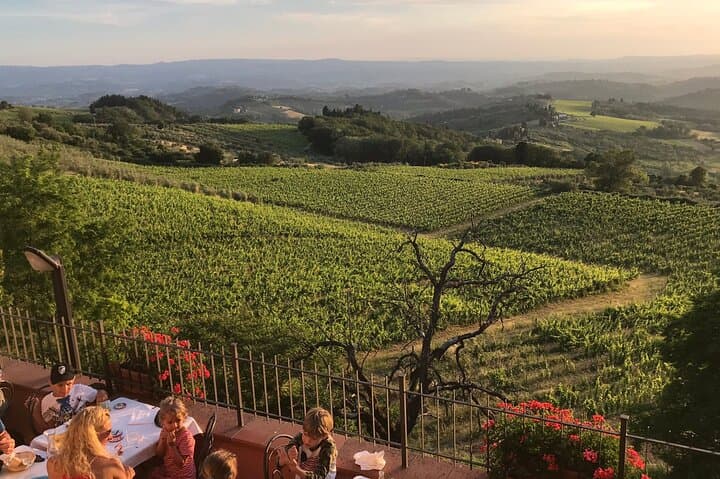
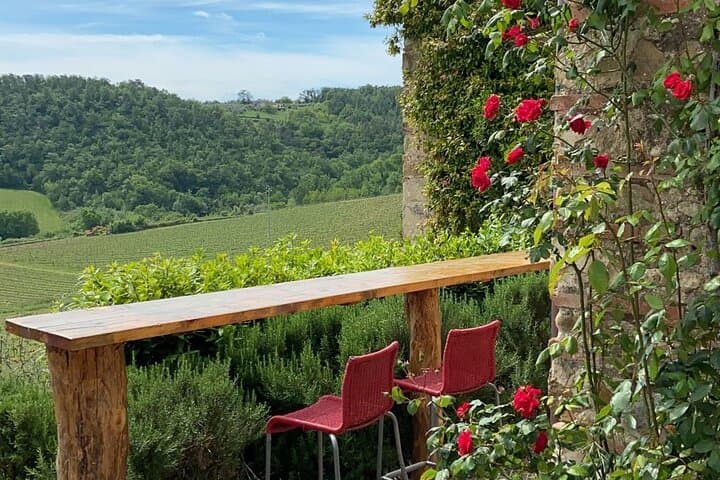
A low, warm light settles over the Cassia Vetus as the minivan slips out of Florence and into hills that press forward in neat rows of vines and olive trees. Roads curve past stone farmhouses; the wind seems to carry the work of generations—pruning, pressing, tending—right into the tasting room. Guests step from the coach into Greve’s main piazza, ambling past a centuries-old food shop before climbing the short, cobbled rise to Montefioralle’s ramparts where the countryside opens in serried bands of vineyard and cypress.
Verified experiences and guided adventures in the surrounding area.
Operated by Slow Tour Tuscany · Florence, Tuscany
A low, warm light settles over the Cassia Vetus as the minivan slips out of Florence and into hills that press forward in neat rows of vines and olive trees. Roads curve past stone farmhouses; the wind seems to carry the work of generations—pruning, pressing, tending—right into the tasting room. Guests step from the coach into Greve’s main piazza, ambling past a centuries-old food shop before climbing the short, cobbled rise to Montefioralle’s ramparts where the countryside opens in serried bands of vineyard and cypress.
This route follows an ancient Roman artery that shaped settlement and terroir. Montefioralle is a preserved 12th-century hamlet whose narrow lanes and defensive walls recall medieval Chianti’s role as contested agrarian territory; the Black Rooster emblem marks the Chianti Classico territory and local wine culture. Geologically the region sits on rolling clay and sandstone slopes that drain well—one reason vine roots dig deep and flavors concentrate.
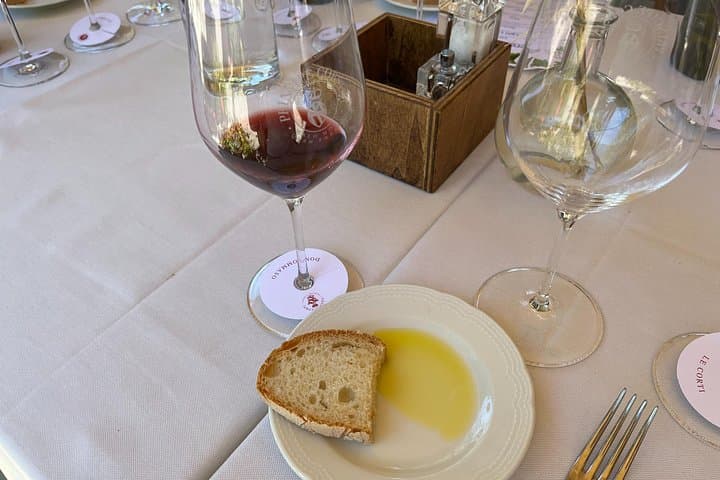
Practically, expect a six-hour excursion with about 30–90 minutes of gentle walking at stops: a 0.5–1 km stroll in Greve, a short 200–400 m uphill cobble to Montefioralle viewpoints with roughly 50–100 m elevation gain, and easy cellar-floor walks. Terrain is uneven stone and compact dirt; shoes with traction are recommended. The day culminates at a family-run estate for a guided visit, cellar insights, and a farm-to-table lunch paired with three Chianti Classico wines and extra-virgin olive oil.
Travelers should bring layered clothing for changing sun and breeze, carry water, and advise dietary restrictions in advance. Morning departures avoid heat and give clearer light for photos of vineyards folding into the horizon.
Yes — private transportation is included, with pick-up available from centrally located Florence hotels on request.
Yes — the tour includes a guided tasting of three Chianti Classico wines and a traditional Tuscan lunch with extra-virgin olive oil tasting.
Infants and small children can be accommodated; streets are cobbled so a sturdy stroller or baby carrier is recommended for comfort.
Yes — the operator asks you to advise of diet restrictions in advance so the estate can adapt the meal.
Slow Tour Tuscany operates guided outdoor trips and adventures with an emphasis on safety, stewardship, and memorable experiences.
A low, warm light settles over the Cassia Vetus as the minivan slips out of Florence and into hills that press forward in neat rows of vines and olive trees. Roads curve past stone farmhouses; the wind seems to carry the work of generations—pruning, pressing, tending—right into the tasting room. Guests step from the coach into Greve’s main piazza, ambling past a centuries-old food shop before climbing the short, cobbled rise to Montefioralle’s ramparts where the countryside opens in serried bands of vineyard and cypress.
A low, warm light settles over the Cassia Vetus as the minivan slips out of Florence and into hills that press forward in neat rows of vines and olive trees. Roads curve past stone farmhouses; the wind seems to carry the work of generations—pruning, pressing, tending—right into the tasting room. Guests step from the coach into Greve’s main piazza, ambling past a centuries-old food shop before climbing the short, cobbled rise to Montefioralle’s ramparts where the countryside opens in serried bands of vineyard and cypress.
This route follows an ancient Roman artery that shaped settlement and terroir. Montefioralle is a preserved 12th-century hamlet whose narrow lanes and defensive walls recall medieval Chianti’s role as contested agrarian territory; the Black Rooster emblem marks the Chianti Classico territory and local wine culture. Geologically the region sits on rolling clay and sandstone slopes that drain well—one reason vine roots dig deep and flavors concentrate.
Practically, expect a six-hour excursion with about 30–90 minutes of gentle walking at stops: a 0.5–1 km stroll in Greve, a short 200–400 m uphill cobble to Montefioralle viewpoints with roughly 50–100 m elevation gain, and easy cellar-floor walks. Terrain is uneven stone and compact dirt; shoes with traction are recommended. The day culminates at a family-run estate for a guided visit, cellar insights, and a farm-to-table lunch paired with three Chianti Classico wines and extra-virgin olive oil.
Travelers should bring layered clothing for changing sun and breeze, carry water, and advise dietary restrictions in advance. Morning departures avoid heat and give clearer light for photos of vineyards folding into the horizon.