THE ADVENTURE COLLECTIVE® · Independent discovery and booking for outdoor travel

A focused 90-minute walking tour through Chicago’s Loop that traces the rise of Art Deco during the Jazz Age. Expect façade close-ups, a few interior stops and context on how the city’s growth shaped modern skyscrapers.
A focused 90-minute walking tour through Chicago’s Loop that traces the rise of Art Deco during the Jazz Age. Expect façade close-ups, a few interior stops and context on how the city’s growth shaped modern skyscrapers.
The tour opens on a brisk street corner in the Loop, where plate-glass storefronts reflect the low winter sun and traffic hums beneath the skeleton of classic steel and stone. A local guide assembles the group at 30 North LaSalle, and the first story—about speculative building booms and a city remade after the Great Fire—begins to unfold.
Verified experiences and guided adventures in the surrounding area.
Operated by Friendly Local Guides · Chicago, Illinois
The tour opens on a brisk street corner in the Loop, where plate-glass storefronts reflect the low winter sun and traffic hums beneath the skeleton of classic steel and stone. A local guide assembles the group at 30 North LaSalle, and the first story—about speculative building booms and a city remade after the Great Fire—begins to unfold.
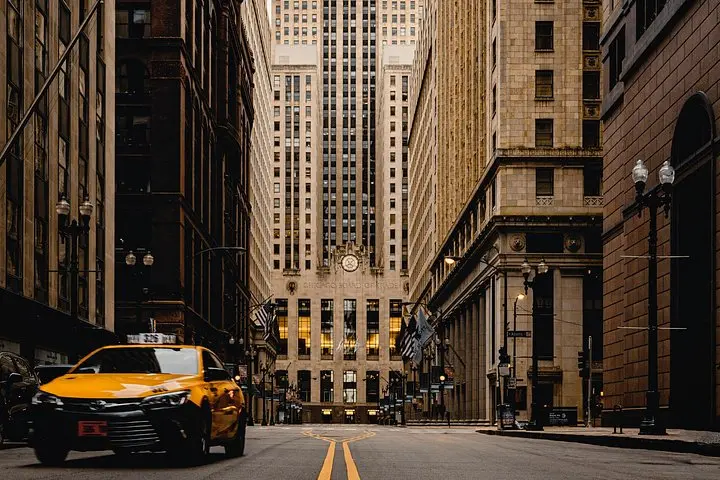
Walk the sidewalks carved by competing architects of the 1920s and 1930s: facades of black granite, gilded entrances and geometric ornament that marked a turn from classical revival toward streamlined modernity. The route moves past One North LaSalle and the La Salle National Bank Building to the sculpted massing of the Chicago Board of Trade, stopping where interiors remain open for small-group visits. These buildings reflect Chicago’s role as a commercial engine and a proving ground for technical advances—air conditioning, steel-frame construction—and a cultural moment shaped by jazz, prohibition, and rapid urban growth.
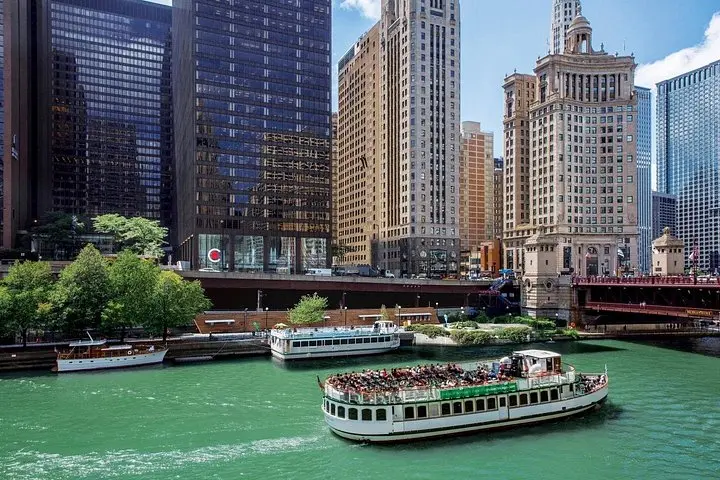
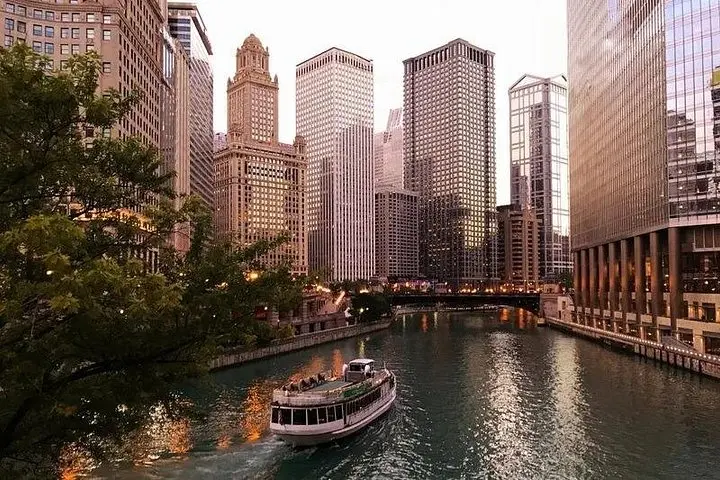
Beyond aesthetics, the tour situates the architecture in civic history: how zoning, transportation corridors and the riverfront shaped massing and ornament, and how designers borrowed from Mesoamerican motifs to project modern power.
Practical guidance: expect 90 minutes of mostly flat walking with short indoor stops; bring comfortable shoes, a charged phone for photos and transit cards if you plan to return independently. Morning departures avoid crowds and make interior access easier. Ask your guide about weekend closures for some lobbies and plan a follow-up visit to the Chicago Architecture Center for models and the Skyscraper Gallery.
The tour runs about 90 minutes and covers roughly 1 to 1.2 miles of mostly flat city streets with several short indoor stops.
Guides include interior visits when available, but access can change due to private events or building policies—check the day of your tour.
Many areas and stops are wheelchair accessible, but specific interiors may have limitations; contact the operator ahead to confirm arrangements.
Yes—the meeting point at 30 N LaSalle is well served by CTA trains and buses; a short walk from LaSalle, Clark/Lake, and other Loop stations.
Friendly Local Guides operates guided outdoor trips and adventures with an emphasis on safety, stewardship, and memorable experiences.
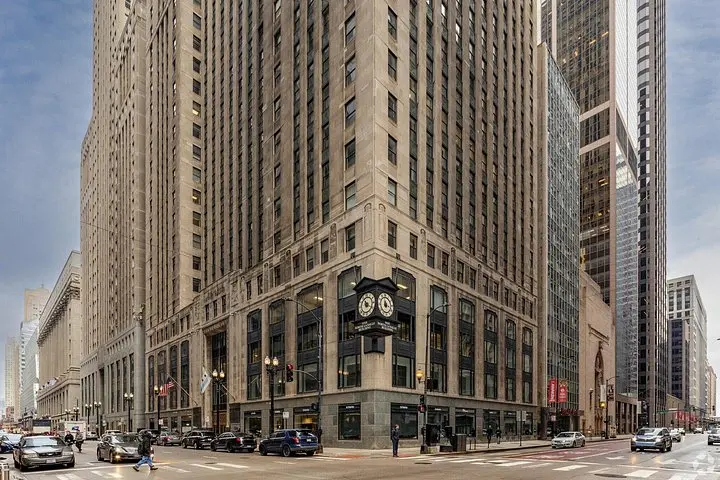
The tour opens on a brisk street corner in the Loop, where plate-glass storefronts reflect the low winter sun and traffic hums beneath the skeleton of classic steel and stone. A local guide assembles the group at 30 North LaSalle, and the first story—about speculative building booms and a city remade after the Great Fire—begins to unfold.
The tour opens on a brisk street corner in the Loop, where plate-glass storefronts reflect the low winter sun and traffic hums beneath the skeleton of classic steel and stone. A local guide assembles the group at 30 North LaSalle, and the first story—about speculative building booms and a city remade after the Great Fire—begins to unfold.
Walk the sidewalks carved by competing architects of the 1920s and 1930s: facades of black granite, gilded entrances and geometric ornament that marked a turn from classical revival toward streamlined modernity. The route moves past One North LaSalle and the La Salle National Bank Building to the sculpted massing of the Chicago Board of Trade, stopping where interiors remain open for small-group visits. These buildings reflect Chicago’s role as a commercial engine and a proving ground for technical advances—air conditioning, steel-frame construction—and a cultural moment shaped by jazz, prohibition, and rapid urban growth.
Beyond aesthetics, the tour situates the architecture in civic history: how zoning, transportation corridors and the riverfront shaped massing and ornament, and how designers borrowed from Mesoamerican motifs to project modern power.
Practical guidance: expect 90 minutes of mostly flat walking with short indoor stops; bring comfortable shoes, a charged phone for photos and transit cards if you plan to return independently. Morning departures avoid crowds and make interior access easier. Ask your guide about weekend closures for some lobbies and plan a follow-up visit to the Chicago Architecture Center for models and the Skyscraper Gallery.