THE ADVENTURE COLLECTIVE® · Independent discovery and booking for outdoor travel

Walk beneath the Chinatown gate and into two hours of murals, terra-cotta façades, and local stories. This guided tour blends Chinese American history with on-the-ground insights into architecture, community life, and riverfront views.
Walk beneath the Chinatown gate and into two hours of murals, terra-cotta façades, and local stories. This guided tour blends Chinese American history with on-the-ground insights into architecture, community life, and riverfront views.
You step beneath the red-and-gold paifang and the city’s traffic noise thins to the clack of shoes on brick and the occasional clang of a restaurant wok.
Verified experiences and guided adventures in the surrounding area.
Operated by Chinatown Visitor Center · Chicago, Illinois
You step beneath the red-and-gold paifang and the city’s traffic noise thins to the clack of shoes on brick and the occasional clang of a restaurant wok.
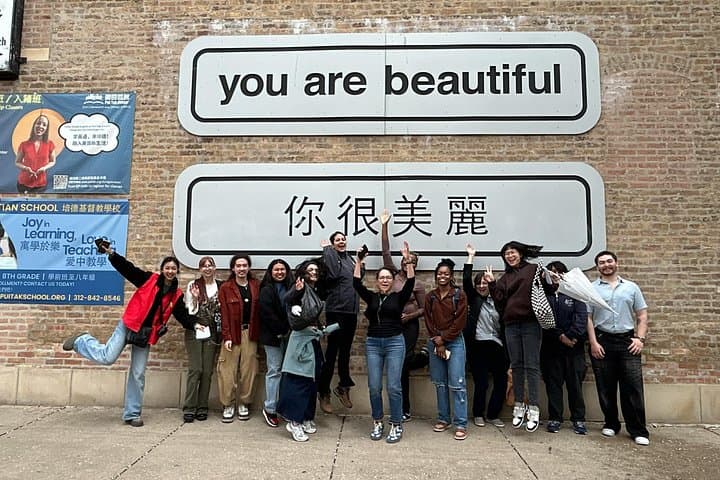
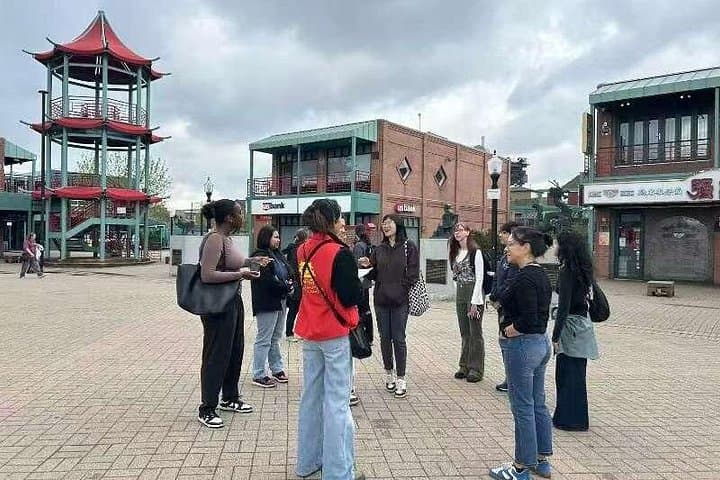
This two-hour walk threads through muraled plazas, terra-cotta façades and narrow alleys where storefront signs lean close enough to read in both English and Chinese. Guides point out the Nine Dragon Wall and the muraled zodiac animals before moving down Cermak and Wentworth to the Pui-Tak Center and historic bakeries where the scent of butter and sweet bean paste hangs in the air.
Chicago’s Chinatown sits on the South Branch floodplain of the Chicago River, part of a flat glacial lake plain reshaped by industrial canals and 20th-century urban redevelopment. The neighborhood’s story is one of migration and organization: family and merchant associations, temples, and civic institutions that anchored successive waves of Chinese and Chinese American residents.
Expect a mix of architecture, pop-culture references (several buildings appear in film and TV), and community-focused institutions. Your guide will weave local anecdotes, point out decorative terra-cotta tiles, and finish near Chinatown Square or Ping Tom Memorial Park with its river loop and skyline views.
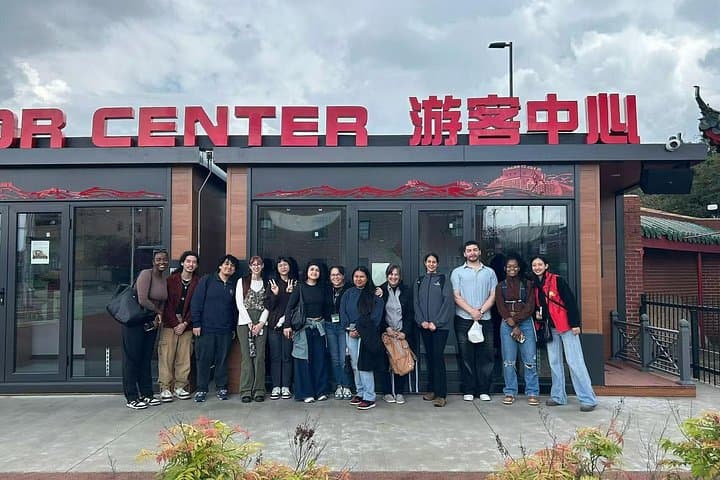
Practical notes: the route is paved and wheelchair accessible; wear comfortable walking shoes, carry a water bottle, and arrive 10 minutes early to find the Chinatown Visitor Center meeting point. Peak times are late morning or early evening when shops and bakeries are open. The tour is family-friendly, small-group focused, and a concise primer for deeper exploration afterward.
Meet at the Chinatown Visitor Center across from the Chinatown Public Library entrance; look for Visitor Center signage.
Yes. The route is paved and marked as wheelchair and stroller accessible—inform the operator of special needs when booking.
Shared tours cap around 15 people to keep the group intimate and easy to manage through narrow streets.
Admissions or meals are not included; the guide will point out recommended bakeries and restaurants where you can purchase food.
Chinatown Visitor Center operates guided outdoor trips and adventures with an emphasis on safety, stewardship, and memorable experiences.

You step beneath the red-and-gold paifang and the city’s traffic noise thins to the clack of shoes on brick and the occasional clang of a restaurant wok.
You step beneath the red-and-gold paifang and the city’s traffic noise thins to the clack of shoes on brick and the occasional clang of a restaurant wok.
This two-hour walk threads through muraled plazas, terra-cotta façades and narrow alleys where storefront signs lean close enough to read in both English and Chinese. Guides point out the Nine Dragon Wall and the muraled zodiac animals before moving down Cermak and Wentworth to the Pui-Tak Center and historic bakeries where the scent of butter and sweet bean paste hangs in the air.
Chicago’s Chinatown sits on the South Branch floodplain of the Chicago River, part of a flat glacial lake plain reshaped by industrial canals and 20th-century urban redevelopment. The neighborhood’s story is one of migration and organization: family and merchant associations, temples, and civic institutions that anchored successive waves of Chinese and Chinese American residents.
Expect a mix of architecture, pop-culture references (several buildings appear in film and TV), and community-focused institutions. Your guide will weave local anecdotes, point out decorative terra-cotta tiles, and finish near Chinatown Square or Ping Tom Memorial Park with its river loop and skyline views.
Practical notes: the route is paved and wheelchair accessible; wear comfortable walking shoes, carry a water bottle, and arrive 10 minutes early to find the Chinatown Visitor Center meeting point. Peak times are late morning or early evening when shops and bakeries are open. The tour is family-friendly, small-group focused, and a concise primer for deeper exploration afterward.