THE ADVENTURE COLLECTIVE® · Independent discovery and booking for outdoor travel

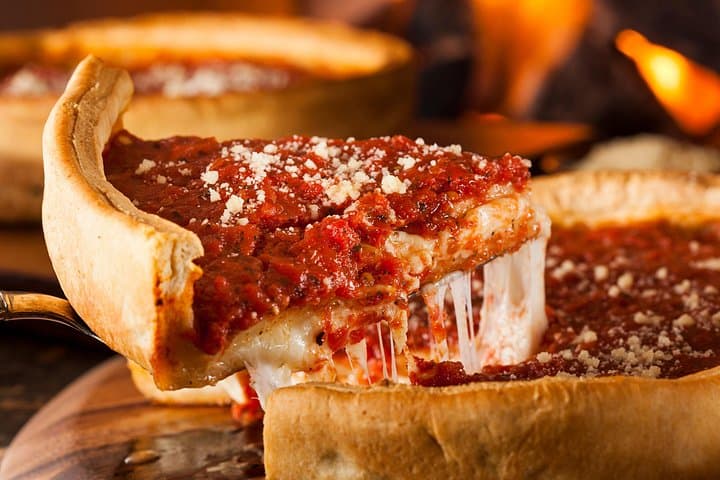
Taste your way through Chicago’s culinary landmarks on a two-hour guided walk from the River Esplanade. Sample deep-dish, Italian beef, and retro doughnuts while learning the city’s food, labor, and river histories.
Taste your way through Chicago’s culinary landmarks on a two-hour guided walk from the River Esplanade. Sample deep-dish, Italian beef, and retro doughnuts while learning the city’s food, labor, and river histories.
The river smells faintly of the city—oil and lake-breeze—while the Centennial Fountain hisses and the guide calls the group together. You step off the River Esplanade and into a two-hour loop of storefronts, counters, and stories: a neighborhood choreography of ovens, neon signs, and busy hands.
Verified experiences and guided adventures in the surrounding area.
The river smells faintly of the city—oil and lake-breeze—while the Centennial Fountain hisses and the guide calls the group together. You step off the River Esplanade and into a two-hour loop of storefronts, counters, and stories: a neighborhood choreography of ovens, neon signs, and busy hands.
This is Chicago’s edible history as much as its present. The tour threads through the Loop and Near North, tracing roots in the meatpacking era, the rise of Prohibition-era speakeasies, and the invention of deep-dish at Pizzeria Uno. Geology is subtle but present: Lake Michigan’s ancient shoreline shaped the grid, and the Chicago River’s rerouting in the 19th century made the riverfront a corridor for commerce and cuisine.
You’ll drop into Billy Goat Tavern for a quick cultural landmark, stand at the counter at Al’s Beef where sandwiches have anchored tastes since 1938, and hear why locals argue about pizza the way they argue about weather. The finish at Firecakes offers a sweet counterpoint—yeasted doughnuts with a recipe that feels old Chicago.
Practical detail is simple: plan on about $30 for tastings, wear supportive shoes for mostly paved streets, and expect moderate standing and walking between stops. Tours move at a city pace—frequent stops, short walks—and operate rain or shine, so layer and bring a small bag for purchases.
This walk suits anyone curious about how food, labor, and architecture shaped the city; it’s sensory, social, and grounded in local places you can revisit after the tour.
The tour covers roughly 1.5–3 miles with frequent stops; expect standing at counters and short street walks between venues.
Food is typically optional; guides recommend bringing around $30 for tastings and purchases at stops.
Guides can often suggest alternatives but many stops are small shops—notify the operator ahead of time if you have strict restrictions.
The River Esplanade and most sidewalks are accessible, but individual historic venues may have limited accessibility—contact the operator to confirm specifics.
The river smells faintly of the city—oil and lake-breeze—while the Centennial Fountain hisses and the guide calls the group together. You step off the River Esplanade and into a two-hour loop of storefronts, counters, and stories: a neighborhood choreography of ovens, neon signs, and busy hands.
The river smells faintly of the city—oil and lake-breeze—while the Centennial Fountain hisses and the guide calls the group together. You step off the River Esplanade and into a two-hour loop of storefronts, counters, and stories: a neighborhood choreography of ovens, neon signs, and busy hands.
This is Chicago’s edible history as much as its present. The tour threads through the Loop and Near North, tracing roots in the meatpacking era, the rise of Prohibition-era speakeasies, and the invention of deep-dish at Pizzeria Uno. Geology is subtle but present: Lake Michigan’s ancient shoreline shaped the grid, and the Chicago River’s rerouting in the 19th century made the riverfront a corridor for commerce and cuisine.
You’ll drop into Billy Goat Tavern for a quick cultural landmark, stand at the counter at Al’s Beef where sandwiches have anchored tastes since 1938, and hear why locals argue about pizza the way they argue about weather. The finish at Firecakes offers a sweet counterpoint—yeasted doughnuts with a recipe that feels old Chicago.
Practical detail is simple: plan on about $30 for tastings, wear supportive shoes for mostly paved streets, and expect moderate standing and walking between stops. Tours move at a city pace—frequent stops, short walks—and operate rain or shine, so layer and bring a small bag for purchases.
This walk suits anyone curious about how food, labor, and architecture shaped the city; it’s sensory, social, and grounded in local places you can revisit after the tour.