THE ADVENTURE COLLECTIVE® · Independent discovery and booking for outdoor travel

Walk the Loop with a licensed guide and uncover Chicago’s Jewish landmarks, from stained‑glass sanctuaries to monuments of civic memory. This private 2 km tour pairs architecture and personal stories for a grounded view of the city’s cultural history.
Walk the Loop with a licensed guide and uncover Chicago’s Jewish landmarks, from stained‑glass sanctuaries to monuments of civic memory. This private 2 km tour pairs architecture and personal stories for a grounded view of the city’s cultural history.
The tour begins on a busy Loop sidewalk, wind off Lake Michigan nudging the city’s glass and stone as you meet your guide outside the Hyatt Centric. Footsteps on pavement set the rhythm; the Chicago Loop Synagogue appears, its stained glass warming the street like a page of living history. Over two hours you move through plazas and avenues, each corner a chapter in a community’s rise.
Verified experiences and guided adventures in the surrounding area.
Operated by New York City Tours · Chicago, Illinois
The tour begins on a busy Loop sidewalk, wind off Lake Michigan nudging the city’s glass and stone as you meet your guide outside the Hyatt Centric. Footsteps on pavement set the rhythm; the Chicago Loop Synagogue appears, its stained glass warming the street like a page of living history. Over two hours you move through plazas and avenues, each corner a chapter in a community’s rise.
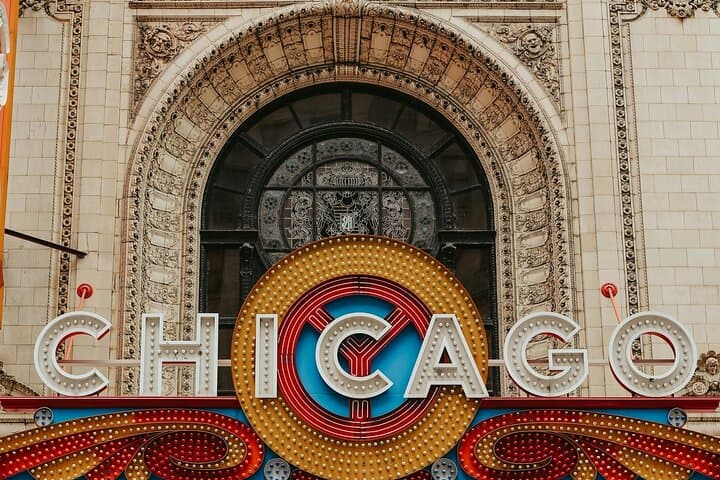
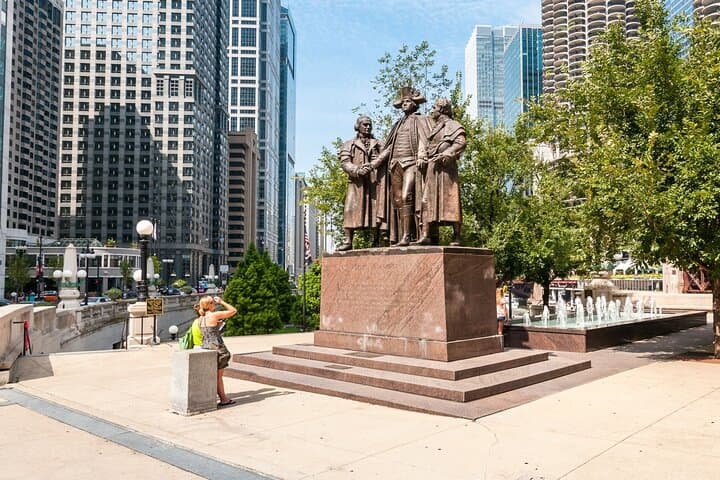
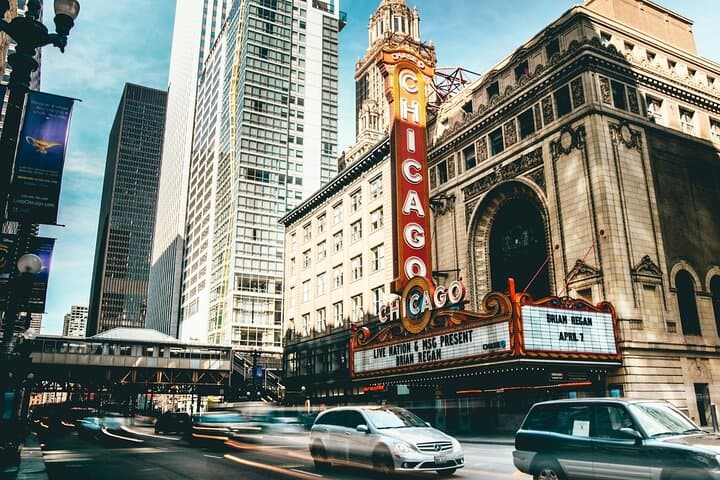
Chicago’s Jewish story is threaded into the city’s growth—from 19th‑century immigrant tenements to the philanthropic patrons who reshaped the lakefront. Geology and urban planning matter here: flat glacial plains allowed the grid to expand, while the proximity to the river and lake concentrated commerce and culture. Sites like Heald Square and the Chicago Theatre reveal how finance, faith, and performance intersected; the American Writers Museum underscores literary contributions that stretched well beyond local neighborhoods.
Guides tailor the route, pointing out quieter façades and alleyway markers most visitors miss, and tying buildings to broader social movements: labor, migration, religious freedom. Expect a mix of architecture talk, biographical stories, and stop‑and‑listen moments where the city’s present presses against its past.
Practical notes: the walk covers roughly 2 km on mostly paved but occasionally uneven surfaces and steps—comfortable shoes and layered clothing are wise. Tours run rain or shine; bring a portable charger for photos and a reusable water bottle. Ask your guide for restaurant recommendations and accessible routing if mobility is a concern.
The private tour lasts about 2 hours and covers roughly 2 km across mostly paved city streets with some steps.
The operator notes wheelchair accessibility and can adapt routes—notify them in advance to confirm specific access details.
No; entrance tickets, food, and drinks are not included, but the guide can recommend and direct you to options nearby.
Yes; this is a private guided experience and the licensed guide will adapt content to your interests and language preference.
New York City Tours operates guided outdoor trips and adventures with an emphasis on safety, stewardship, and memorable experiences.

The tour begins on a busy Loop sidewalk, wind off Lake Michigan nudging the city’s glass and stone as you meet your guide outside the Hyatt Centric. Footsteps on pavement set the rhythm; the Chicago Loop Synagogue appears, its stained glass warming the street like a page of living history. Over two hours you move through plazas and avenues, each corner a chapter in a community’s rise.
The tour begins on a busy Loop sidewalk, wind off Lake Michigan nudging the city’s glass and stone as you meet your guide outside the Hyatt Centric. Footsteps on pavement set the rhythm; the Chicago Loop Synagogue appears, its stained glass warming the street like a page of living history. Over two hours you move through plazas and avenues, each corner a chapter in a community’s rise.
Chicago’s Jewish story is threaded into the city’s growth—from 19th‑century immigrant tenements to the philanthropic patrons who reshaped the lakefront. Geology and urban planning matter here: flat glacial plains allowed the grid to expand, while the proximity to the river and lake concentrated commerce and culture. Sites like Heald Square and the Chicago Theatre reveal how finance, faith, and performance intersected; the American Writers Museum underscores literary contributions that stretched well beyond local neighborhoods.
Guides tailor the route, pointing out quieter façades and alleyway markers most visitors miss, and tying buildings to broader social movements: labor, migration, religious freedom. Expect a mix of architecture talk, biographical stories, and stop‑and‑listen moments where the city’s present presses against its past.
Practical notes: the walk covers roughly 2 km on mostly paved but occasionally uneven surfaces and steps—comfortable shoes and layered clothing are wise. Tours run rain or shine; bring a portable charger for photos and a reusable water bottle. Ask your guide for restaurant recommendations and accessible routing if mobility is a concern.