THE ADVENTURE COLLECTIVE® · Independent discovery and booking for outdoor travel

Walk Lincoln Park after dark with veteran investigators and explore the abandoned City Cemetery, Suicide Bridge, and the St. Valentine’s Day Massacre site. This 2–3 hour tour blends documented history with practical paranormal tools.
Walk Lincoln Park after dark with veteran investigators and explore the abandoned City Cemetery, Suicide Bridge, and the St. Valentine’s Day Massacre site. This 2–3 hour tour blends documented history with practical paranormal tools.
You step off the well-lit sidewalk into a thinner air of the park, streetlamps guttering like watchful eyes while the city hums beyond the trees. The guide—an experienced investigator with decades on Chicago’s case files—leads the group along cracked paths where the old City Cemetery once sprawled. Headlamps pick out stone fragments and iron railings; the ground remembers events the city tries not to.
Verified experiences and guided adventures in the surrounding area.
Operated by Chicago Hauntings · Chicago, Illinois
You step off the well-lit sidewalk into a thinner air of the park, streetlamps guttering like watchful eyes while the city hums beyond the trees. The guide—an experienced investigator with decades on Chicago’s case files—leads the group along cracked paths where the old City Cemetery once sprawled. Headlamps pick out stone fragments and iron railings; the ground remembers events the city tries not to.
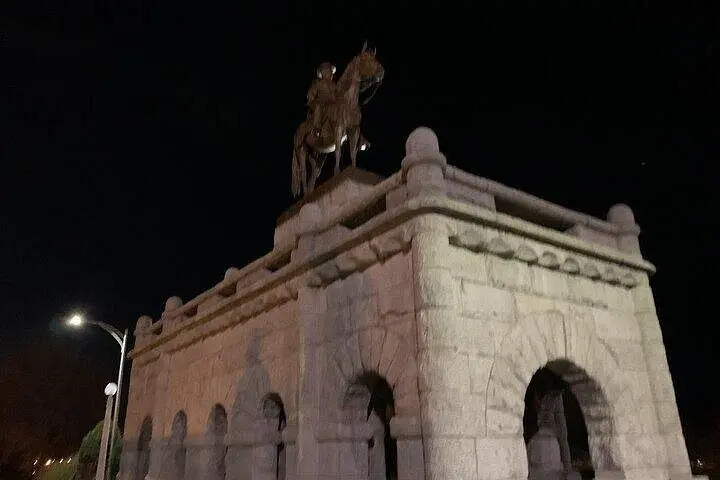
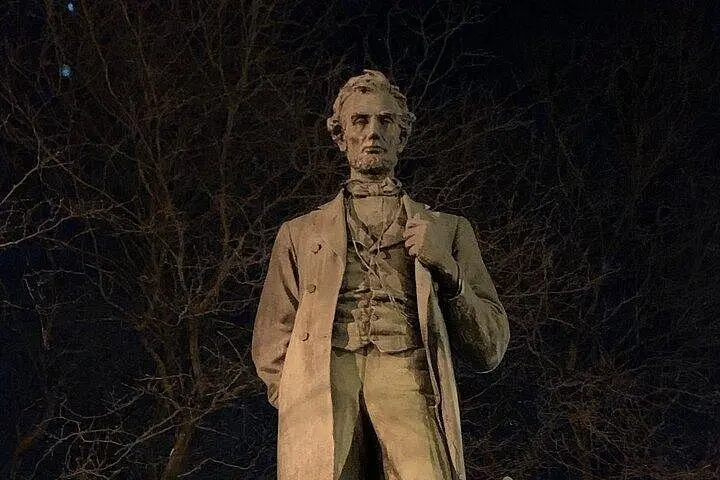
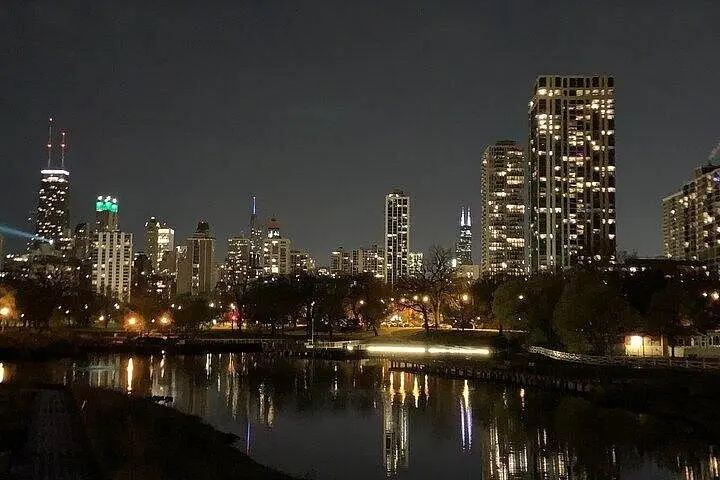
Lincoln Park’s landscape is urban geology: landfill, reclaimed marsh, and layered burials reshaped by the Great Chicago Fire of 1871, when thousands of graves were disrupted and the neighborhood’s history turned porous. The tour stops at the abandoned cemetery footprint, then moves to the concrete spine of Suicide Bridge and the hard-edge alley where the St. Valentine’s Day Massacre unfolded—places that fuse 19th- and 20th-century Chicago crime, immigrant labor histories, and municipal growth.
Culturally this is a city story: Irish, German and Polish neighborhoods, Reform-era reformers, and the rise of organized crime all touch the sites. Guides demonstrate basic investigative tools, invite participants to try EMF meters and EVP prompts, and frame stories with primary-source details rather than theatrics.
Practical notes: the experience is a moderate-paced nocturnal walking tour lasting roughly 2–3 hours, on paved and uneven surfaces; wear supportive shoes and bring a weatherproof layer. Expect frequent stops for storytelling and equipment demos. Public transit and street parking are nearby; the group size keeps the tour intimate but on public, urban terrain—respect local residents and private property. This is history-first investigation: curious, grounded, and designed for people who want to read the city’s shadows with care.
The tour is family-friendly but deals with mature historical topics and visits cemetery areas; parents should judge suitability for younger children.
Guides provide demonstration equipment and let guests try basic tools like EMF meters and recorders during the tour.
The tour is wheelchair accessible on its public paths, but contact the operator ahead of time to confirm accommodations for specific stops.
Tours may be canceled or rescheduled in severe weather—check the operator’s 24-hour cancellation policy and plan layered clothing.
Chicago Hauntings operates guided outdoor trips and adventures with an emphasis on safety, stewardship, and memorable experiences.
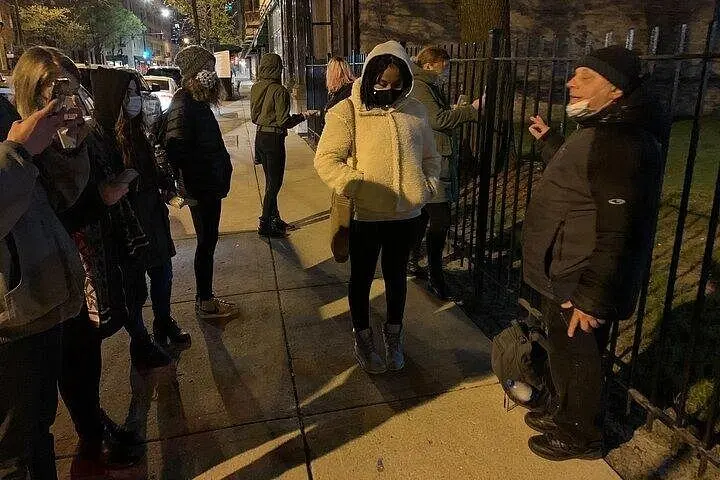
You step off the well-lit sidewalk into a thinner air of the park, streetlamps guttering like watchful eyes while the city hums beyond the trees. The guide—an experienced investigator with decades on Chicago’s case files—leads the group along cracked paths where the old City Cemetery once sprawled. Headlamps pick out stone fragments and iron railings; the ground remembers events the city tries not to.
You step off the well-lit sidewalk into a thinner air of the park, streetlamps guttering like watchful eyes while the city hums beyond the trees. The guide—an experienced investigator with decades on Chicago’s case files—leads the group along cracked paths where the old City Cemetery once sprawled. Headlamps pick out stone fragments and iron railings; the ground remembers events the city tries not to.
Lincoln Park’s landscape is urban geology: landfill, reclaimed marsh, and layered burials reshaped by the Great Chicago Fire of 1871, when thousands of graves were disrupted and the neighborhood’s history turned porous. The tour stops at the abandoned cemetery footprint, then moves to the concrete spine of Suicide Bridge and the hard-edge alley where the St. Valentine’s Day Massacre unfolded—places that fuse 19th- and 20th-century Chicago crime, immigrant labor histories, and municipal growth.
Culturally this is a city story: Irish, German and Polish neighborhoods, Reform-era reformers, and the rise of organized crime all touch the sites. Guides demonstrate basic investigative tools, invite participants to try EMF meters and EVP prompts, and frame stories with primary-source details rather than theatrics.
Practical notes: the experience is a moderate-paced nocturnal walking tour lasting roughly 2–3 hours, on paved and uneven surfaces; wear supportive shoes and bring a weatherproof layer. Expect frequent stops for storytelling and equipment demos. Public transit and street parking are nearby; the group size keeps the tour intimate but on public, urban terrain—respect local residents and private property. This is history-first investigation: curious, grounded, and designed for people who want to read the city’s shadows with care.