THE ADVENTURE COLLECTIVE® · Independent discovery and booking for outdoor travel

Walk from the Chicago Theatre marquee to Millennium Park on a 2.5-hour tour that ties Prohibition-era stories to the city’s most striking architecture. Expect a 3-mile route, expert local storytelling, and skyline views along the Riverwalk.
Walk from the Chicago Theatre marquee to Millennium Park on a 2.5-hour tour that ties Prohibition-era stories to the city’s most striking architecture. Expect a 3-mile route, expert local storytelling, and skyline views along the Riverwalk.
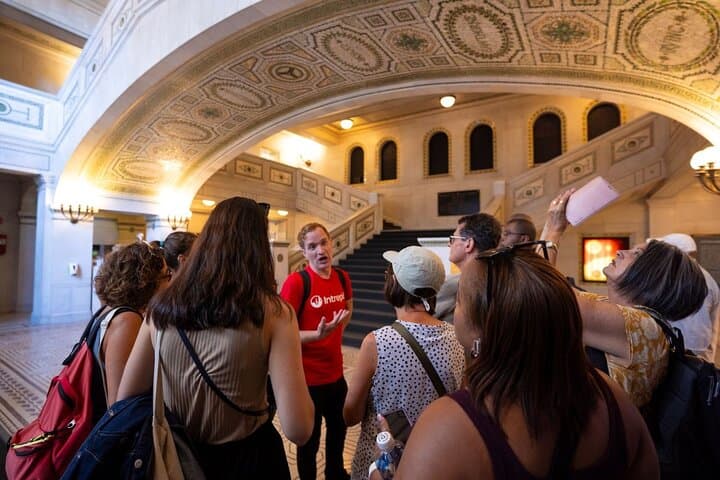
Step out from beneath the neon of the Chicago Theatre marquee and the city opens like an architectural ledger — facades whose stones keep accounts of wealth, politics, and the lawless energy of the 1920s.
Verified experiences and guided adventures in the surrounding area.
Operated by Intrepid Urban Adventures - USA · Chicago, Illinois
Step out from beneath the neon of the Chicago Theatre marquee and the city opens like an architectural ledger — facades whose stones keep accounts of wealth, politics, and the lawless energy of the 1920s.
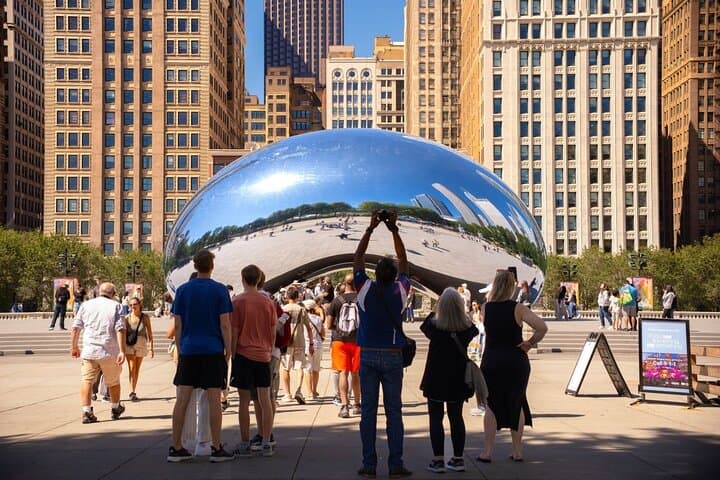
Over the next 2.5 hours, the tour threads State Street to the Riverwalk and finishes at Millennium Park’s Cloud Gate, sketching Chicago’s Prohibition-era stories against its skyline. Guides move with practiced ease through alleys and plazas, pausing at the Tribune Tower’s neo‑Gothic buttresses, the Wrigley Building’s terra-cotta clock face, and the low, steel-framed horizontals of the Chicago School. Between stops, the Chicago River dares you to read the city’s transformations — from trading post to industrial artery to cleaned-up promenade.
History arrives in tangible form: empty storefronts that once hid speakeasy doors, storefronts rebuilt after the Great Fire, and names whispered in every Prohibition chronicle — Al Capone and the rumrunners who exploited the city’s lakes and riverfront. Architecture supplies the context: Daniel Burnham’s 1909 plan that stitched avenues and parklands, the Jewelers Building’s heavy vaults built with the watch industry in mind, and LondonHouse’s remake of an old riverbank hotel into a rooftop vantage point. The tour balances civic history and street-level detail, explaining how zoning, commerce, and vice shaped facades and alleys alike.
Practicalities are straightforward. The route covers about 4.8 km (3 miles) mostly on paved sidewalks with brief stairs and an optional peeks into the Chicago Pedway — the underground vein locals use in winter. The walking pace is steady but accessible; the guide times photo stops and gives local tips on nearby lunch spots, transit connections, and where to linger for a rooftop view.
Bring comfortable shoes and a light jacket; Chicago weather changes quickly whether it’s blowing off the lake or baking in summer. The tour runs year-round and proceeds in most conditions — guides adapt stops if a site is closed. Expect a small-group feel (max ~15) and an end at Millennium Park where you can extend your visit or catch transit back to hotels on Michigan Avenue.
For history buffs and curious travelers alike, the walk delivers architecture as social history — columns and cornices that tell the city’s story while leaving room for the present-day Riverwalk’s cafes and the daily commute to share the scene.
The tour lasts about 150 minutes and covers roughly 4.8 km (3 miles) on paved city sidewalks with a few short staircases.
Yes — the route is wheelchair and stroller accessible, though guides may adjust routes to avoid temporary construction or closures.
Meet under the Chicago Theatre marquee at 175 N State Street; the tour concludes at Millennium Park near the Cloud Gate sculpture.
Yes — children under 6 join free; families are welcome but should note the walking distance and pace.
Most stops are exterior or brief visits to public spaces; if a site is accessible during the tour, guides will include an interior stop when possible.
Dress in layers and wear comfortable shoes; the tour runs year-round and proceeds in most weather unless conditions are dangerous.
Intrepid Urban Adventures - USA operates guided outdoor trips and adventures with an emphasis on safety, stewardship, and memorable experiences.


Step out from beneath the neon of the Chicago Theatre marquee and the city opens like an architectural ledger — facades whose stones keep accounts of wealth, politics, and the lawless energy of the 1920s.
Step out from beneath the neon of the Chicago Theatre marquee and the city opens like an architectural ledger — facades whose stones keep accounts of wealth, politics, and the lawless energy of the 1920s.
Over the next 2.5 hours, the tour threads State Street to the Riverwalk and finishes at Millennium Park’s Cloud Gate, sketching Chicago’s Prohibition-era stories against its skyline. Guides move with practiced ease through alleys and plazas, pausing at the Tribune Tower’s neo‑Gothic buttresses, the Wrigley Building’s terra-cotta clock face, and the low, steel-framed horizontals of the Chicago School. Between stops, the Chicago River dares you to read the city’s transformations — from trading post to industrial artery to cleaned-up promenade.
History arrives in tangible form: empty storefronts that once hid speakeasy doors, storefronts rebuilt after the Great Fire, and names whispered in every Prohibition chronicle — Al Capone and the rumrunners who exploited the city’s lakes and riverfront. Architecture supplies the context: Daniel Burnham’s 1909 plan that stitched avenues and parklands, the Jewelers Building’s heavy vaults built with the watch industry in mind, and LondonHouse’s remake of an old riverbank hotel into a rooftop vantage point. The tour balances civic history and street-level detail, explaining how zoning, commerce, and vice shaped facades and alleys alike.
Practicalities are straightforward. The route covers about 4.8 km (3 miles) mostly on paved sidewalks with brief stairs and an optional peeks into the Chicago Pedway — the underground vein locals use in winter. The walking pace is steady but accessible; the guide times photo stops and gives local tips on nearby lunch spots, transit connections, and where to linger for a rooftop view.
Bring comfortable shoes and a light jacket; Chicago weather changes quickly whether it’s blowing off the lake or baking in summer. The tour runs year-round and proceeds in most conditions — guides adapt stops if a site is closed. Expect a small-group feel (max ~15) and an end at Millennium Park where you can extend your visit or catch transit back to hotels on Michigan Avenue.
For history buffs and curious travelers alike, the walk delivers architecture as social history — columns and cornices that tell the city’s story while leaving room for the present-day Riverwalk’s cafes and the daily commute to share the scene.