THE ADVENTURE COLLECTIVE® · Independent discovery and booking for outdoor travel

Walk the steps of Kukulcán, then trade stone for water: a guided visit to Chichen Itza followed by an open cenote swim and a traditional Mayan lunch in Valladolid. Practical tips on timing, gear and what to expect make this a smart full‑day outing from the Riviera Maya.
Walk the steps of Kukulcán, then trade stone for water: a guided visit to Chichen Itza followed by an open cenote swim and a traditional Mayan lunch in Valladolid. Practical tips on timing, gear and what to expect make this a smart full‑day outing from the Riviera Maya.
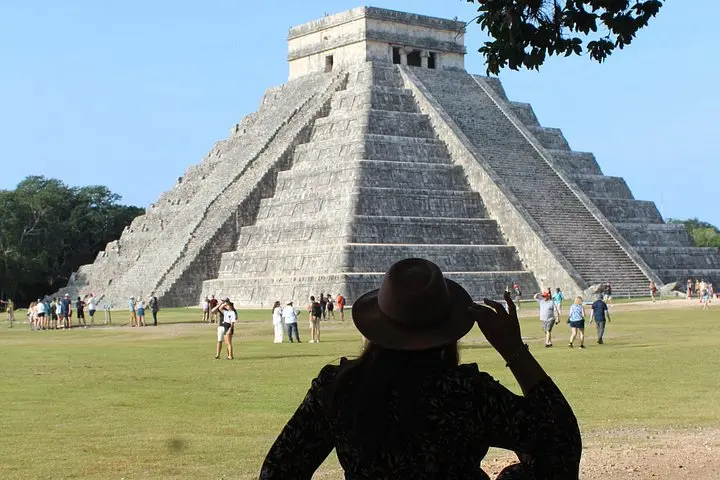
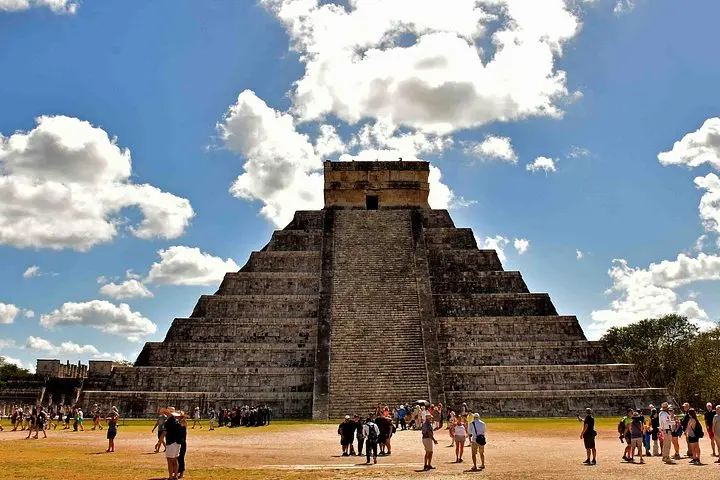
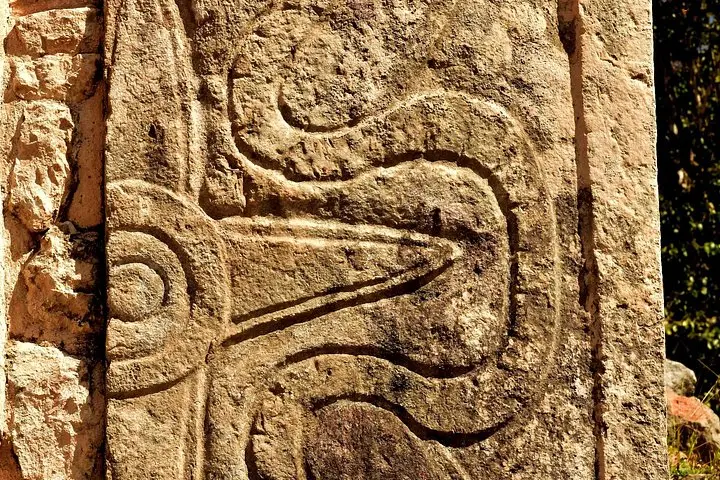
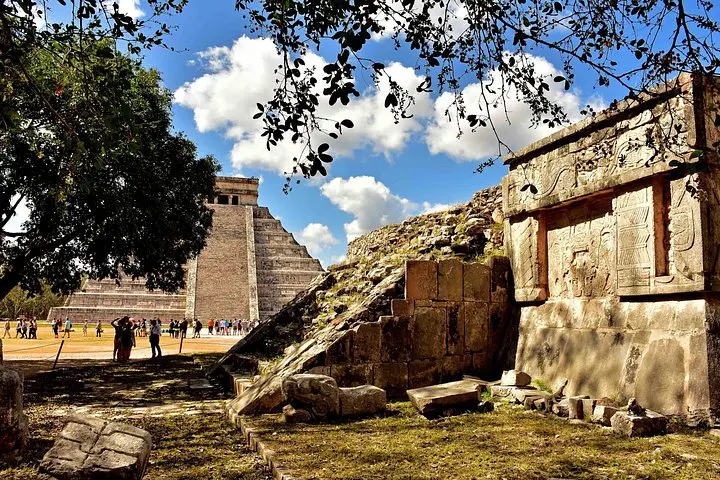
You step out of the air‑conditioned van into a wide pale plain where stone shadows stretch from an ancient pyramid. Heat lifts from packed earth while the Maya stelae stand suddenly human—measuring seasons, watching the sun’s tilt. The guide’s voice threads history into the space between terraces and stairways, and the day moves from carved stone to liquid blue.
Verified experiences and guided adventures in the surrounding area.
Operated by dreamus · Valladolid, Yucatán
You step out of the air‑conditioned van into a wide pale plain where stone shadows stretch from an ancient pyramid. Heat lifts from packed earth while the Maya stelae stand suddenly human—measuring seasons, watching the sun’s tilt. The guide’s voice threads history into the space between terraces and stairways, and the day moves from carved stone to liquid blue.
Chichen Itza grew as a regional hub between AD 600–1200; its Pyramid of Kukulcán reflects astronomical precision and social power. The Yucatán’s limestone bedrock explains the cenotes: collapsed caves where groundwater gathers, their deep waters having supplied Maya settlements for millennia. Valladolid’s colonial grid and nearby haciendas add Spanish-era texture to the route, while the traditional lunch is a practical taste of local gastronomy—sabor rooted in corn, chiles and slow-cooked pork.
Expect two hours of guided walking at the archaeological site with uneven steps and broad plazas, then a swim and snorkeling in an open cenote where roots and light play on submerged rock. The tour typically includes private transport, entrance fees and a sit‑down Mayan lunch in Valladolid.
Practical edge: start early, hydrate, wear reef‑safe sunscreen and closed-toe shoes for walking the site. Bring a swimsuit under clothes and a small towel for the cenote. Keep valuables secure during swims and respect restricted monument areas—photography rules and conservation measures are enforced.
This blend of archaeology, geology, and local flavor makes a compact full‑day adventure: part classroom, part plunge, part market stroll.
Yes, entrance fees for Chichen Itza and the listed cenote are included in this tour's price.
Yes; swimming is optional—there are viewing areas at many cenotes and staff can assist, but basic swimming ability is recommended to enjoy snorkelling.
Drive times vary: roughly 1.5–2.5 hours one way from Tulum or Playa del Carmen and about 2–2.5 hours from Cancun, depending on pickups and traffic.
Most open cenotes on organized tours have basic restrooms and changing areas; facilities vary by site so bring a small towel and personal items in a waterproof bag.
dreamus operates guided outdoor trips and adventures with an emphasis on safety, stewardship, and memorable experiences.
You step out of the air‑conditioned van into a wide pale plain where stone shadows stretch from an ancient pyramid. Heat lifts from packed earth while the Maya stelae stand suddenly human—measuring seasons, watching the sun’s tilt. The guide’s voice threads history into the space between terraces and stairways, and the day moves from carved stone to liquid blue.
You step out of the air‑conditioned van into a wide pale plain where stone shadows stretch from an ancient pyramid. Heat lifts from packed earth while the Maya stelae stand suddenly human—measuring seasons, watching the sun’s tilt. The guide’s voice threads history into the space between terraces and stairways, and the day moves from carved stone to liquid blue.
Chichen Itza grew as a regional hub between AD 600–1200; its Pyramid of Kukulcán reflects astronomical precision and social power. The Yucatán’s limestone bedrock explains the cenotes: collapsed caves where groundwater gathers, their deep waters having supplied Maya settlements for millennia. Valladolid’s colonial grid and nearby haciendas add Spanish-era texture to the route, while the traditional lunch is a practical taste of local gastronomy—sabor rooted in corn, chiles and slow-cooked pork.
Expect two hours of guided walking at the archaeological site with uneven steps and broad plazas, then a swim and snorkeling in an open cenote where roots and light play on submerged rock. The tour typically includes private transport, entrance fees and a sit‑down Mayan lunch in Valladolid.
Practical edge: start early, hydrate, wear reef‑safe sunscreen and closed-toe shoes for walking the site. Bring a swimsuit under clothes and a small towel for the cenote. Keep valuables secure during swims and respect restricted monument areas—photography rules and conservation measures are enforced.
This blend of archaeology, geology, and local flavor makes a compact full‑day adventure: part classroom, part plunge, part market stroll.