THE ADVENTURE COLLECTIVE® · Independent discovery and booking for outdoor travel

Spend a long day exploring Chichén Itzá’s monumental architecture, then cool off in a turquoise cenote before wandering the colonial streets of Valladolid. This guided tour pairs archaeology, geology and local flavors with round-trip transport from Cancún.
Spend a long day exploring Chichén Itzá’s monumental architecture, then cool off in a turquoise cenote before wandering the colonial streets of Valladolid. This guided tour pairs archaeology, geology and local flavors with round-trip transport from Cancún.
The morning bus unwinds from Cancún's bustle, the road slicing through low scrub and citrus groves until a stone giant rises from the savanna: Chichén Itzá. You step off the bus into heat and wind that seem to press the past into the present. Stone faces hold shadow; the Pyramid of Kukulkán stands geometrically precise as the sun finds each stair.
Verified experiences and guided adventures in the surrounding area.
Operated by Caribe Páradise Tours · Pisté, Yucatán
The morning bus unwinds from Cancún's bustle, the road slicing through low scrub and citrus groves until a stone giant rises from the savanna: Chichén Itzá. You step off the bus into heat and wind that seem to press the past into the present. Stone faces hold shadow; the Pyramid of Kukulkán stands geometrically precise as the sun finds each stair.
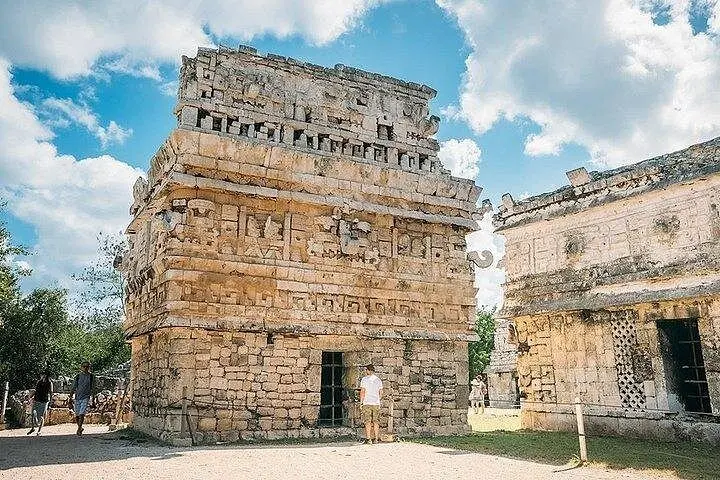
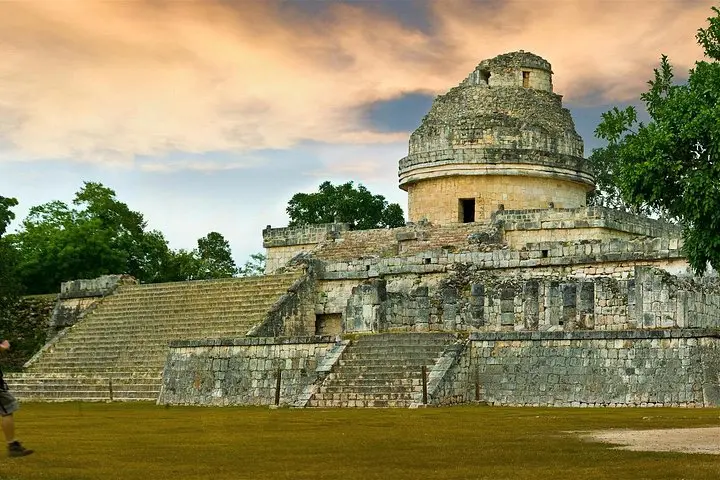
This is a place of astronomy and ceremony. The Maya engineered plazas, ball courts and a sacred cenote to reflect cosmology and power; the Temple of the Warriors bristles with carved columns that record ritual life. Geologically the region sits on porous limestone; when the roof gives way it creates cenotes — vertical passages to clear groundwater where light and roots meet the water’s skin.
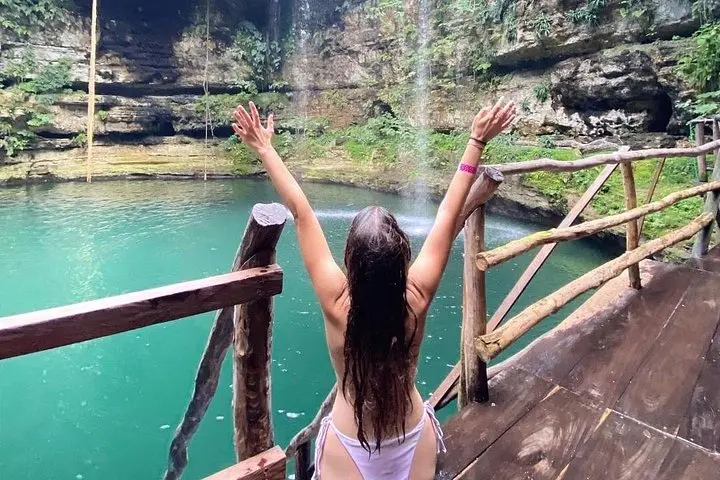
After ruins, the tone softens at a cenote: sunlight threads the opening, water invites a cool, buoyant pause. Valladolid follows — a colonial grid where regional kitchens serve cochinita and the main square hums with vendors and old churches.
Practical edge: this is an all-day outing—expect 10–14 hours including transport. Carry a refillable water bottle, biodegradable sunscreen and a small amount of cash for the preservation tax and souvenirs. Wear sturdy walking shoes for uneven stone and a swimsuit for the cenote. Guides explain the site’s layout but bring patience for crowds and security checks.
The trip pairs deep-time archaeology with a living landscape: limestone that drinks rain, currents that dare you into blue water, and a town that chops the day into flavors. It’s history you can walk through and a swim that restores you for the road back to Cancún.
Expect 10–14 hours total door-to-door; at Chichén Itzá you’ll walk on paved and uneven stone surfaces for roughly 1.5–2 hours during the guided portion.
Yes—access to a cenote such as Saamal or Chichikán is included; life jackets are typically available and recommended for swimmers.
Preservation taxes are often separate; check your booking details and bring approximately USD 22 per adult for the archaeological site if required.
Children can participate but the day is long; the tour is not recommended for travelers with serious spinal, heart or pregnancy concerns and mobility may be limited on uneven terrain.
Caribe Páradise Tours operates guided outdoor trips and adventures with an emphasis on safety, stewardship, and memorable experiences.
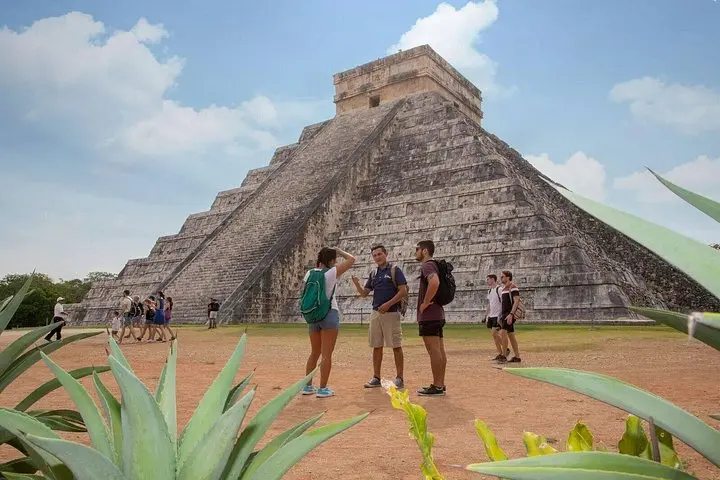
The morning bus unwinds from Cancún's bustle, the road slicing through low scrub and citrus groves until a stone giant rises from the savanna: Chichén Itzá. You step off the bus into heat and wind that seem to press the past into the present. Stone faces hold shadow; the Pyramid of Kukulkán stands geometrically precise as the sun finds each stair.
The morning bus unwinds from Cancún's bustle, the road slicing through low scrub and citrus groves until a stone giant rises from the savanna: Chichén Itzá. You step off the bus into heat and wind that seem to press the past into the present. Stone faces hold shadow; the Pyramid of Kukulkán stands geometrically precise as the sun finds each stair.
This is a place of astronomy and ceremony. The Maya engineered plazas, ball courts and a sacred cenote to reflect cosmology and power; the Temple of the Warriors bristles with carved columns that record ritual life. Geologically the region sits on porous limestone; when the roof gives way it creates cenotes — vertical passages to clear groundwater where light and roots meet the water’s skin.
After ruins, the tone softens at a cenote: sunlight threads the opening, water invites a cool, buoyant pause. Valladolid follows — a colonial grid where regional kitchens serve cochinita and the main square hums with vendors and old churches.
Practical edge: this is an all-day outing—expect 10–14 hours including transport. Carry a refillable water bottle, biodegradable sunscreen and a small amount of cash for the preservation tax and souvenirs. Wear sturdy walking shoes for uneven stone and a swimsuit for the cenote. Guides explain the site’s layout but bring patience for crowds and security checks.
The trip pairs deep-time archaeology with a living landscape: limestone that drinks rain, currents that dare you into blue water, and a town that chops the day into flavors. It’s history you can walk through and a swim that restores you for the road back to Cancún.