THE ADVENTURE COLLECTIVE® · Independent discovery and booking for outdoor travel

A full-day excursion from Cancún that pairs the monumental ruins of Chichén Itzá with a swim in the otherworldly Cenote Suytun and a walk through colonial Valladolid. Expect guided archaeology, clear cenote waters, and a hearty regional buffet.
A full-day excursion from Cancún that pairs the monumental ruins of Chichén Itzá with a swim in the otherworldly Cenote Suytun and a walk through colonial Valladolid. Expect guided archaeology, clear cenote waters, and a hearty regional buffet.
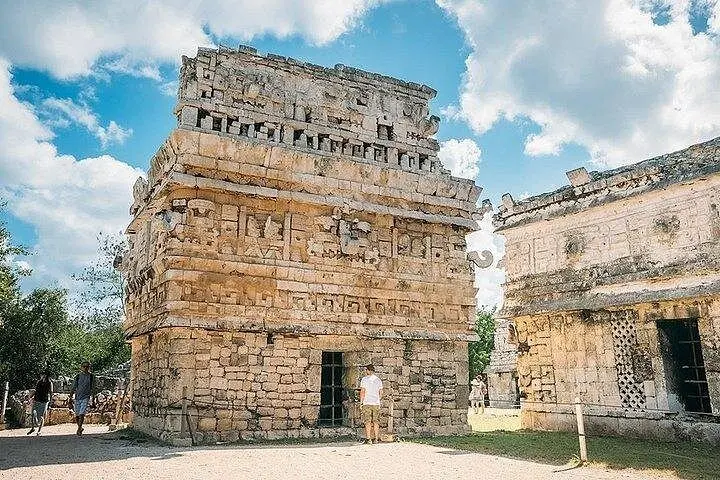
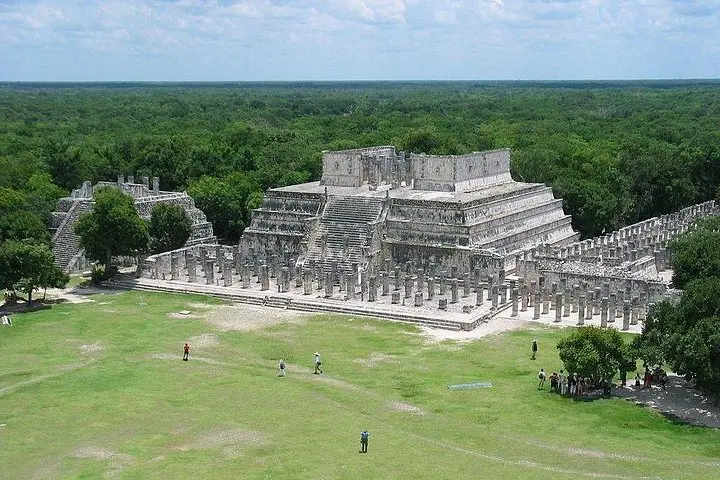
You arrive before the heat builds, the bus letting out a slow stream of travelers onto hard-packed stone beneath the shadow of a towering pyramid. Wind moves across the plaza as if reading the glyphs carved into the stones; voices soften when the guide explains the ancient rituals that once played out here.
Verified experiences and guided adventures in the surrounding area.
Operated by Cancun Tours Market · Valladolid, Yucatán
You arrive before the heat builds, the bus letting out a slow stream of travelers onto hard-packed stone beneath the shadow of a towering pyramid. Wind moves across the plaza as if reading the glyphs carved into the stones; voices soften when the guide explains the ancient rituals that once played out here.
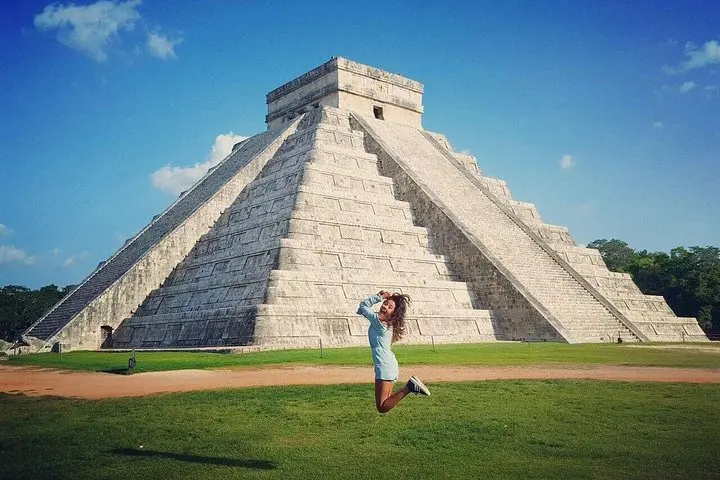
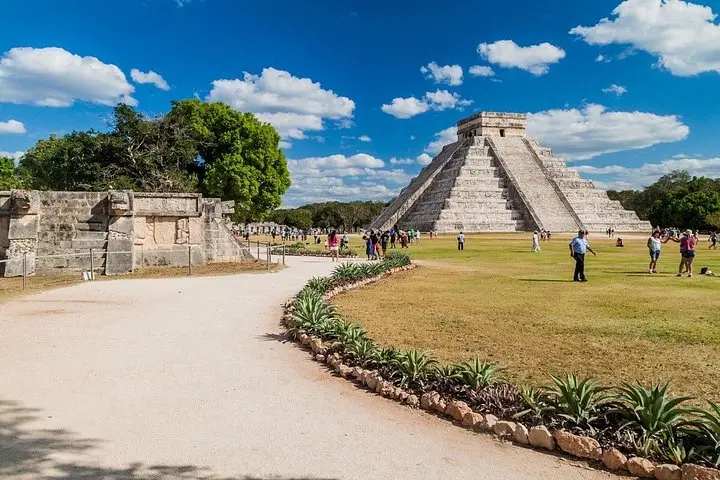
Chichén Itzá grew from a regional Maya center into a crossroads of trade and ceremony between the Classic and Postclassic eras. The Temple of Kukulcán—aligned to solar events—still draws crowds who watch light and shadow trace the serpent staircase at equinox. The region’s porous limestone is pocked with sinkholes; cenotes like Suytun form where the bedrock collapsed and groundwater pooled into clear, cool caverns, fed by an underground karst network.
Valladolid offers a contrast: a quiet colonial square, pastel facades, and ceramic workshops where local crafts continue ancestral techniques. Culture here is layered—Maya traditions living alongside Spanish-era architecture and Yucatecan cuisine.
Practical guidance: expect a long day (11–12 hours) with approximately two hours at Chichén Itzá, 45 minutes at Suytun, and time in Valladolid. Wear sturdy shoes for uneven stone, bring sun protection, and keep valuables light—large luggage isn’t allowed. Swim briefly in the cenote; water temperature is refreshing and often shaded. Follow your guide’s timing and local rules—entrance and cenote fees are included, but drinks at lunch aren’t. Hydrate on the drive; buses have air conditioning and restrooms. With planning, the day balances deep archaeological context, a restorative cenote dip, and a peek into everyday Yucatán life.
Yes—pickup and drop-off from Cancún and Riviera Maya hotels are included; exact pickup times vary by location and are confirmed at booking.
Chichén Itzá and Cenote Suytun entrance fees and the regional buffet lunch are included; drinks at the restaurant are not included.
Yes, swimming is permitted during the scheduled time; life vests are available to rent at the cenote ticket office for the duration of your swim.
The tour involves uneven surfaces, steps, and walking around large archaeological areas; it’s rated suitable for most fitness levels but not recommended for travelers with significant spinal, heart, or pregnancy restrictions.
Cancun Tours Market operates guided outdoor trips and adventures with an emphasis on safety, stewardship, and memorable experiences.
You arrive before the heat builds, the bus letting out a slow stream of travelers onto hard-packed stone beneath the shadow of a towering pyramid. Wind moves across the plaza as if reading the glyphs carved into the stones; voices soften when the guide explains the ancient rituals that once played out here.
You arrive before the heat builds, the bus letting out a slow stream of travelers onto hard-packed stone beneath the shadow of a towering pyramid. Wind moves across the plaza as if reading the glyphs carved into the stones; voices soften when the guide explains the ancient rituals that once played out here.
Chichén Itzá grew from a regional Maya center into a crossroads of trade and ceremony between the Classic and Postclassic eras. The Temple of Kukulcán—aligned to solar events—still draws crowds who watch light and shadow trace the serpent staircase at equinox. The region’s porous limestone is pocked with sinkholes; cenotes like Suytun form where the bedrock collapsed and groundwater pooled into clear, cool caverns, fed by an underground karst network.
Valladolid offers a contrast: a quiet colonial square, pastel facades, and ceramic workshops where local crafts continue ancestral techniques. Culture here is layered—Maya traditions living alongside Spanish-era architecture and Yucatecan cuisine.
Practical guidance: expect a long day (11–12 hours) with approximately two hours at Chichén Itzá, 45 minutes at Suytun, and time in Valladolid. Wear sturdy shoes for uneven stone, bring sun protection, and keep valuables light—large luggage isn’t allowed. Swim briefly in the cenote; water temperature is refreshing and often shaded. Follow your guide’s timing and local rules—entrance and cenote fees are included, but drinks at lunch aren’t. Hydrate on the drive; buses have air conditioning and restrooms. With planning, the day balances deep archaeological context, a restorative cenote dip, and a peek into everyday Yucatán life.