THE ADVENTURE COLLECTIVE® · Independent discovery and booking for outdoor travel

A single long day that pairs the monumental ruins of Chichén Itzá with two dramatic cenotes and a quick visit to colonial Valladolid. Expect limestone steps, deep freshwater pools, and a busy but deeply rewarding cultural itinerary.
A single long day that pairs the monumental ruins of Chichén Itzá with two dramatic cenotes and a quick visit to colonial Valladolid. Expect limestone steps, deep freshwater pools, and a busy but deeply rewarding cultural itinerary.
You step from the minivan into a wide, sun-pared plaza where stone faces and sharp angles hold the morning heat like memory. Wind threads through the Kukulkan pyramid’s terraces; guides point out the shadow-serpent trick that still draws a hush. The day stretches: ruins, two dramatic cenotes, a colonial town and back to the coast.
Verified experiences and guided adventures in the surrounding area.
Operated by Top Tour Connection Cancun and Riviera Maya Experts · Chichén Itzá, Yucatán
You step from the minivan into a wide, sun-pared plaza where stone faces and sharp angles hold the morning heat like memory. Wind threads through the Kukulkan pyramid’s terraces; guides point out the shadow-serpent trick that still draws a hush. The day stretches: ruins, two dramatic cenotes, a colonial town and back to the coast.
Chichén Itzá was a major Maya city (classical to post-classical era) where astronomy, architecture and politics intersected. The core sits on Yucatán’s thick limestone platform; the region’s geology — porous karst and underground rivers — created the cenotes you’ll enter. Ik Kil drops roughly 26 meters below ground, a bowl of clear water ringed by vines and sunlight; Hubiku is a closed cavern with a calm pool and stalactites. Later, Valladolid’s Calzada de los Frailes offers 16th-century convent walls, pastel facades and local vendors selling marquesitas and handcrafts.
Practical notes: this full-day tour runs 13–15 hours with about 2–3 km of walking across mostly flat, packed-earth trails and stone steps; expect minimal elevation gain but several stair descents into cenotes. Swimwear under clothing speeds transitions; life jackets are provided. Bring biodegradable sunscreen, a towel, water bottle (refillable), and cash for small purchases. Wear sturdy sandals or water shoes for slippery steps and short hikes.
Respect archaeological boundaries, avoid touching glyphs or climbing monuments, and rinse sunscreen before entering cenotes to protect fragile aquatic life. Time your photo moments early — crowds swell midmorning — and leave space to listen; the site’s stories are carried in the stones.
The tour runs about 13–15 hours and includes Chichén Itzá, cenote Ik Kil, lunch, cenote Hubiku, a short visit to Valladolid, plus transportation and a certified guide.
Yes — life jackets are provided at both cenotes and staff supervise access; non-swimmers can still enjoy shallow areas and the scenery.
Yes, the site is open to independent visitors, but tours include certified guides, admission, transportation and often timed access that eases logistics for a long day.
Leave valuables and jewelry in secure storage — bring only essentials for the day as changing areas are basic and space is limited.
Top Tour Connection Cancun and Riviera Maya Experts operates guided outdoor trips and adventures with an emphasis on safety, stewardship, and memorable experiences.
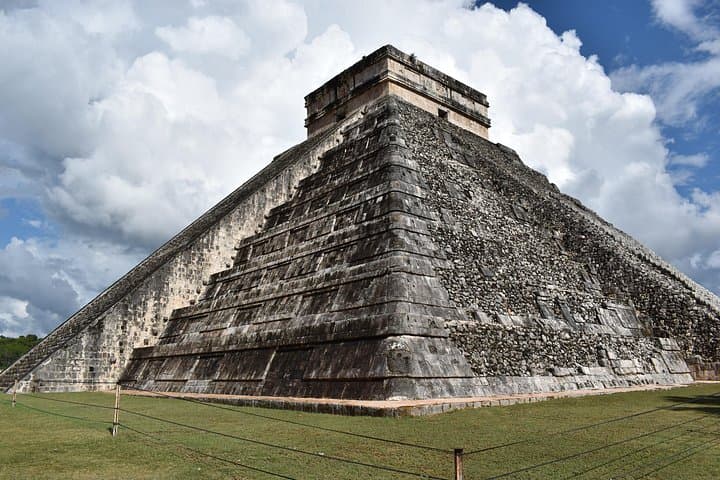
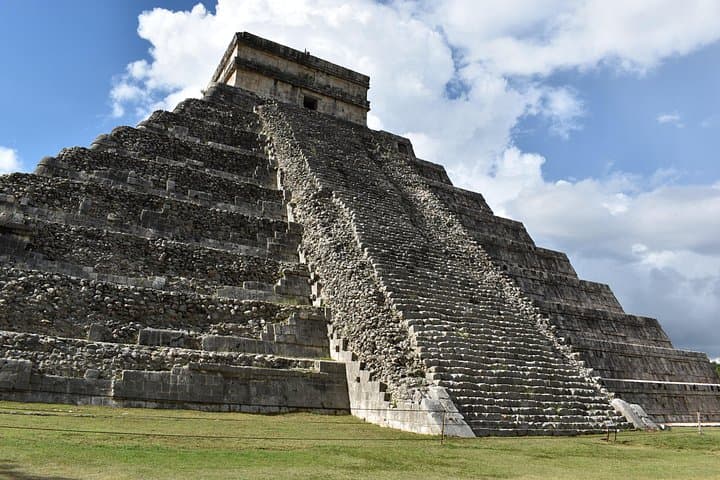
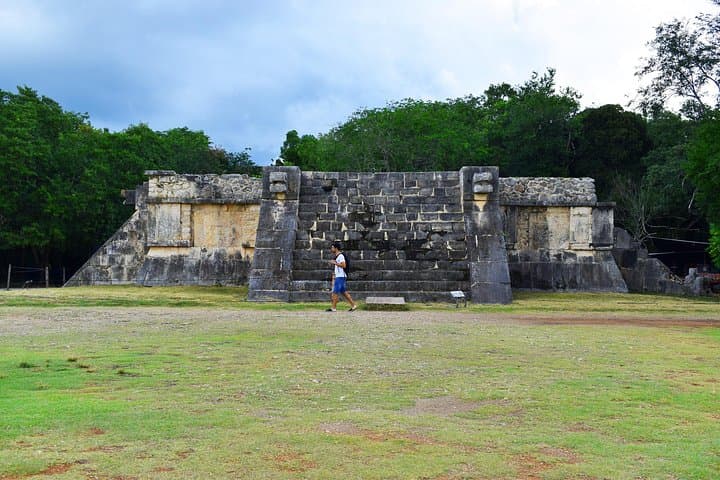
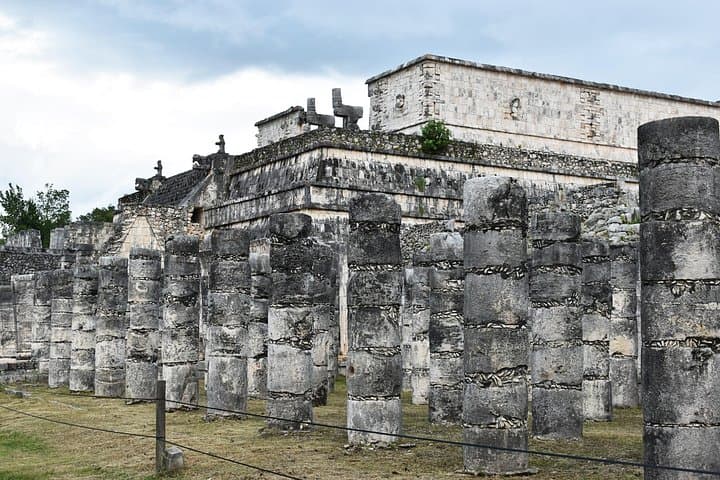
You step from the minivan into a wide, sun-pared plaza where stone faces and sharp angles hold the morning heat like memory. Wind threads through the Kukulkan pyramid’s terraces; guides point out the shadow-serpent trick that still draws a hush. The day stretches: ruins, two dramatic cenotes, a colonial town and back to the coast.
You step from the minivan into a wide, sun-pared plaza where stone faces and sharp angles hold the morning heat like memory. Wind threads through the Kukulkan pyramid’s terraces; guides point out the shadow-serpent trick that still draws a hush. The day stretches: ruins, two dramatic cenotes, a colonial town and back to the coast.
Chichén Itzá was a major Maya city (classical to post-classical era) where astronomy, architecture and politics intersected. The core sits on Yucatán’s thick limestone platform; the region’s geology — porous karst and underground rivers — created the cenotes you’ll enter. Ik Kil drops roughly 26 meters below ground, a bowl of clear water ringed by vines and sunlight; Hubiku is a closed cavern with a calm pool and stalactites. Later, Valladolid’s Calzada de los Frailes offers 16th-century convent walls, pastel facades and local vendors selling marquesitas and handcrafts.
Practical notes: this full-day tour runs 13–15 hours with about 2–3 km of walking across mostly flat, packed-earth trails and stone steps; expect minimal elevation gain but several stair descents into cenotes. Swimwear under clothing speeds transitions; life jackets are provided. Bring biodegradable sunscreen, a towel, water bottle (refillable), and cash for small purchases. Wear sturdy sandals or water shoes for slippery steps and short hikes.
Respect archaeological boundaries, avoid touching glyphs or climbing monuments, and rinse sunscreen before entering cenotes to protect fragile aquatic life. Time your photo moments early — crowds swell midmorning — and leave space to listen; the site’s stories are carried in the stones.