THE ADVENTURE COLLECTIVE® · Independent discovery and booking for outdoor travel

A full‑day excursion from Cancun that pairs the monumental ruins of Chichén Itzá with two dramatic cenotes and the colonial charm of Valladolid—expect long drives, cool swims in underground waters, and guided history on a 12‑hour day.
A full‑day excursion from Cancun that pairs the monumental ruins of Chichén Itzá with two dramatic cenotes and the colonial charm of Valladolid—expect long drives, cool swims in underground waters, and guided history on a 12‑hour day.
You step off the bus into a dry heat that smells faintly of earth and limestone, the horizon broken by the stepped silhouette of El Castillo. The day unfolds like a guided map: first the engineered drama of Chichén Itzá, then the cool hush of cenotes carved into the karst, and finally the painted facades and slow rhythm of Valladolid.
Verified experiences and guided adventures in the surrounding area.
Operated by YAMEVI TRAVEL · Valladolid, Yucatán
You step off the bus into a dry heat that smells faintly of earth and limestone, the horizon broken by the stepped silhouette of El Castillo. The day unfolds like a guided map: first the engineered drama of Chichén Itzá, then the cool hush of cenotes carved into the karst, and finally the painted facades and slow rhythm of Valladolid.
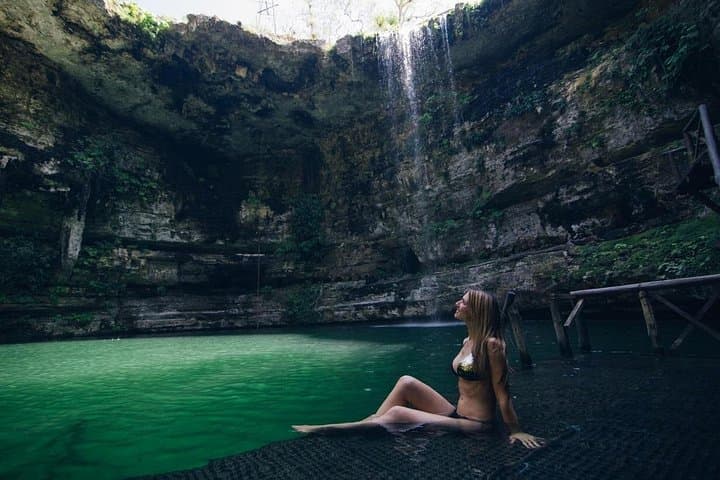
Chichén Itzá grew into a major Mayan and later regional center between roughly 600–1200 CE; its pyramid of Kukulcán, ballcourt and cenote reflect astronomy, ritual and hydraulic ingenuity. The Yucatán’s underlying limestone dissolves into caverns and sinkholes—cenotes are where that geology meets groundwater, producing underground pools with cave formations and often bat colonies.
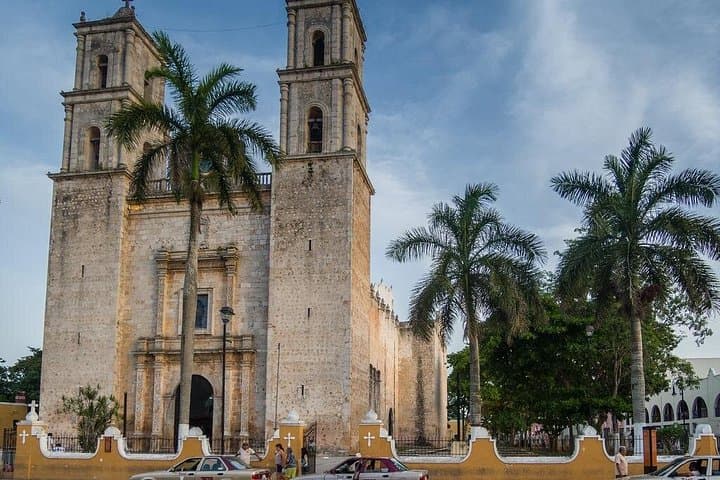
Valladolid adds a colonial counterpoint: 16th‑century churches, narrow streets and local mercados where Yucatecan specialties like cochinita pibil and fresh tortillas ground the trip in contemporary life.
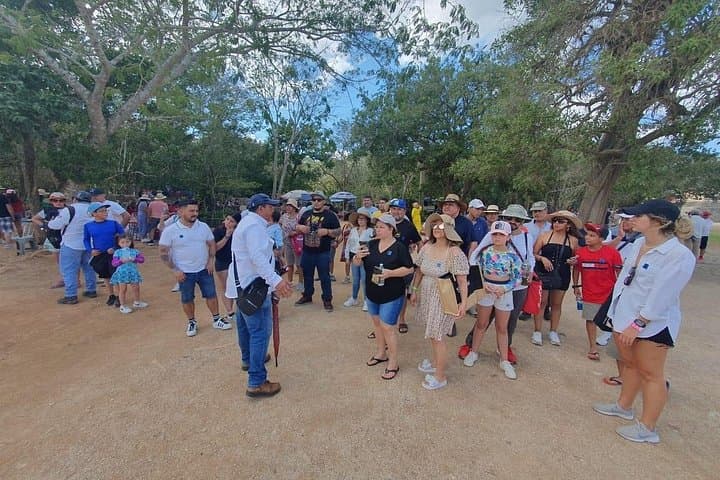
Practical guidance: expect a long day (about 12 hours total) with walking on uneven surfaces, wooden stairs down to cenotes, and exposure to sun and insects. Bring biodegradable sunscreen (to protect cenotes), a swimsuit and towel, cash for small vendors and tips, and comfortable closed shoes for the archaeological zones. Start early to avoid the midday crowd at the pyramid and plan for roughly a 2–3 hour drive each way from Cancun. Guides add context and handle logistics—listen for conservation notes about not touching formations in cenotes or climbing on ruins. With sensible pacing, the combo of history, geology and small‑town culture makes for a full, memorable day.
Policies vary by operator; many tours include cenote access but Chichén Itzá entry may be charged separately—confirm at booking and carry Mexican pesos if needed.
Expect roughly a 2–3 hour one‑way drive depending on traffic and stops; total trip time is typically around 10–12 hours from Cancun.
Yes—most managed cenotes provide ladders or steps and lifeguards are sometimes present; avoid diving unless designated areas exist and follow guide instructions.
Parts of the tour (vehicle transport and some cenote entrances) may be accessible, but archaeological sites and many cenote accesses include stairs and uneven terrain—check with the operator for specific accessibility arrangements.
YAMEVI TRAVEL operates guided outdoor trips and adventures with an emphasis on safety, stewardship, and memorable experiences.
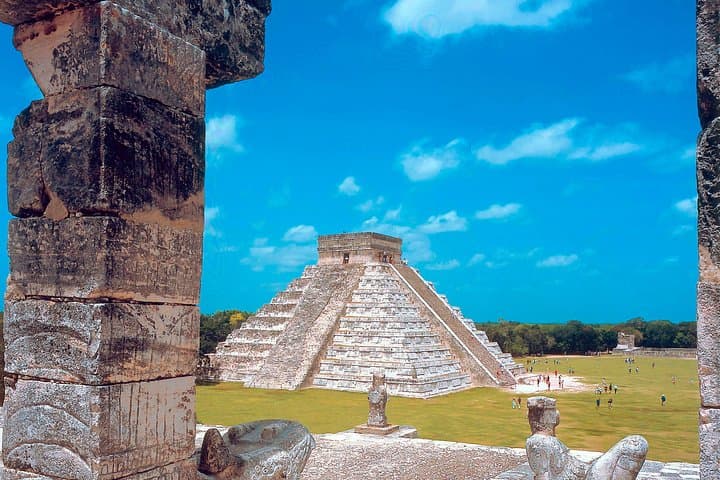
You step off the bus into a dry heat that smells faintly of earth and limestone, the horizon broken by the stepped silhouette of El Castillo. The day unfolds like a guided map: first the engineered drama of Chichén Itzá, then the cool hush of cenotes carved into the karst, and finally the painted facades and slow rhythm of Valladolid.
You step off the bus into a dry heat that smells faintly of earth and limestone, the horizon broken by the stepped silhouette of El Castillo. The day unfolds like a guided map: first the engineered drama of Chichén Itzá, then the cool hush of cenotes carved into the karst, and finally the painted facades and slow rhythm of Valladolid.
Chichén Itzá grew into a major Mayan and later regional center between roughly 600–1200 CE; its pyramid of Kukulcán, ballcourt and cenote reflect astronomy, ritual and hydraulic ingenuity. The Yucatán’s underlying limestone dissolves into caverns and sinkholes—cenotes are where that geology meets groundwater, producing underground pools with cave formations and often bat colonies.
Valladolid adds a colonial counterpoint: 16th‑century churches, narrow streets and local mercados where Yucatecan specialties like cochinita pibil and fresh tortillas ground the trip in contemporary life.
Practical guidance: expect a long day (about 12 hours total) with walking on uneven surfaces, wooden stairs down to cenotes, and exposure to sun and insects. Bring biodegradable sunscreen (to protect cenotes), a swimsuit and towel, cash for small vendors and tips, and comfortable closed shoes for the archaeological zones. Start early to avoid the midday crowd at the pyramid and plan for roughly a 2–3 hour drive each way from Cancun. Guides add context and handle logistics—listen for conservation notes about not touching formations in cenotes or climbing on ruins. With sensible pacing, the combo of history, geology and small‑town culture makes for a full, memorable day.