THE ADVENTURE COLLECTIVE® · Independent discovery and booking for outdoor travel

A full-day blend of archaeology, regional cuisine and groundwater adventure: explore Chichén Itzá’s monumental ruins, taste Mayan-inspired dishes, then refresh in a deep blue cenote with optional zipline thrills. Practical timing and gear tips help you make the most of an 11-hour excursion from the Riviera Maya.
A full-day blend of archaeology, regional cuisine and groundwater adventure: explore Chichén Itzá’s monumental ruins, taste Mayan-inspired dishes, then refresh in a deep blue cenote with optional zipline thrills. Practical timing and gear tips help you make the most of an 11-hour excursion from the Riviera Maya.
You arrive before the crowd — the pyramid of Kukulkan cuts a precise profile against a bright Yucatán sky, while limestone plazas radiate warmth and the shadow of centuries. The air smells of tropical vegetation and frying spices; later you'll trade stone for water, plunging into a deep blue cenote that dares you to cool off after the heat of the ruins.
Verified experiences and guided adventures in the surrounding area.
Operated by Ekinox Tours · Valladolid, Yucatán
You arrive before the crowd — the pyramid of Kukulkan cuts a precise profile against a bright Yucatán sky, while limestone plazas radiate warmth and the shadow of centuries. The air smells of tropical vegetation and frying spices; later you'll trade stone for water, plunging into a deep blue cenote that dares you to cool off after the heat of the ruins.
Chichén Itzá was a major Classic-to-Postclassic Maya city, its architecture aligned to solar and astronomical cycles. The cenote you’ll visit is a collapse sink in the region’s porous limestone, a freshwater spring that once fed ritual and everyday life. Valladolid, the colonial town on the route, offers colored facades, a 16th-century convent, and a living market where recipes and ingredients trace Mayan culinary history.
Practical guide: plan for a long day—expect 11–12 hours including travel. Wear closed shoes for uneven stone and a swimsuit under clothes for the cenote; towels and change facilities are usually available. Bring sunscreen, a hat, cash for local purchases, and a reusable water bottle to stay hydrated. The tour mixes walking, a gastronomy demonstration and buffet-style lunch, plus time for a supervised swim and optional zip line at the cenote. Follow the guide for access rules; climbing the main pyramid is restricted but the site rewards patient exploration of observatory platforms and ballcourt reliefs.
Timing matters: mornings are cooler and less crowded, late afternoon light is best for photos. Respect restricted areas, avoid touching carvings, and support local vendors — the experience is as much cultural as it is adventurous.
Tour itineraries vary; many include guided access to the site but not all ancillary fees—confirm at booking.
Yes, the cenote stop is for swimming; lifeguard or supervised zones may apply and life jackets are usually provided.
This tour typically includes a gastronomic demonstration and buffet-style lunch; drinks may be extra—check the inclusion list.
The tour is rated easy to moderate overall, but it’s long and involves walking; infants can ride in strollers during some transfers and children should be supervised at water sites.
Ekinox Tours operates guided outdoor trips and adventures with an emphasis on safety, stewardship, and memorable experiences.
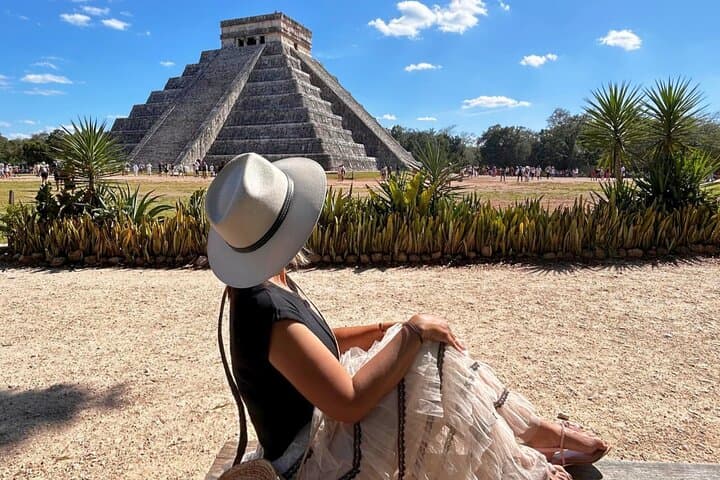

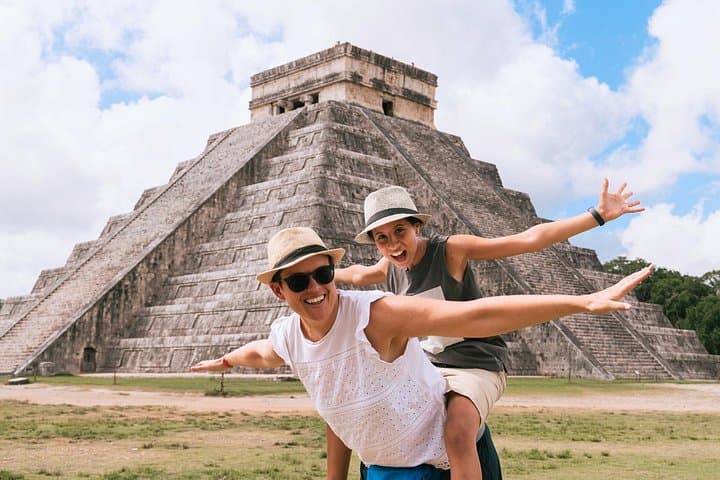
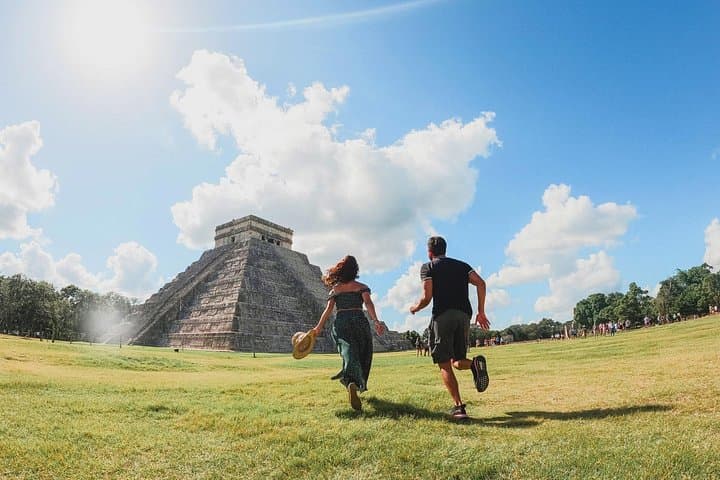
You arrive before the crowd — the pyramid of Kukulkan cuts a precise profile against a bright Yucatán sky, while limestone plazas radiate warmth and the shadow of centuries. The air smells of tropical vegetation and frying spices; later you'll trade stone for water, plunging into a deep blue cenote that dares you to cool off after the heat of the ruins.
You arrive before the crowd — the pyramid of Kukulkan cuts a precise profile against a bright Yucatán sky, while limestone plazas radiate warmth and the shadow of centuries. The air smells of tropical vegetation and frying spices; later you'll trade stone for water, plunging into a deep blue cenote that dares you to cool off after the heat of the ruins.
Chichén Itzá was a major Classic-to-Postclassic Maya city, its architecture aligned to solar and astronomical cycles. The cenote you’ll visit is a collapse sink in the region’s porous limestone, a freshwater spring that once fed ritual and everyday life. Valladolid, the colonial town on the route, offers colored facades, a 16th-century convent, and a living market where recipes and ingredients trace Mayan culinary history.
Practical guide: plan for a long day—expect 11–12 hours including travel. Wear closed shoes for uneven stone and a swimsuit under clothes for the cenote; towels and change facilities are usually available. Bring sunscreen, a hat, cash for local purchases, and a reusable water bottle to stay hydrated. The tour mixes walking, a gastronomy demonstration and buffet-style lunch, plus time for a supervised swim and optional zip line at the cenote. Follow the guide for access rules; climbing the main pyramid is restricted but the site rewards patient exploration of observatory platforms and ballcourt reliefs.
Timing matters: mornings are cooler and less crowded, late afternoon light is best for photos. Respect restricted areas, avoid touching carvings, and support local vendors — the experience is as much cultural as it is adventurous.