THE ADVENTURE COLLECTIVE® · Independent discovery and booking for outdoor travel

Spend a full day exploring Chichen Itza’s Pyramid of Kukulcan, cool off in a nearby cenote, enjoy a Mexican buffet and sample tequila — all with guided interpretation and roundtrip transport from Cancún.
Spend a full day exploring Chichen Itza’s Pyramid of Kukulcan, cool off in a nearby cenote, enjoy a Mexican buffet and sample tequila — all with guided interpretation and roundtrip transport from Cancún.
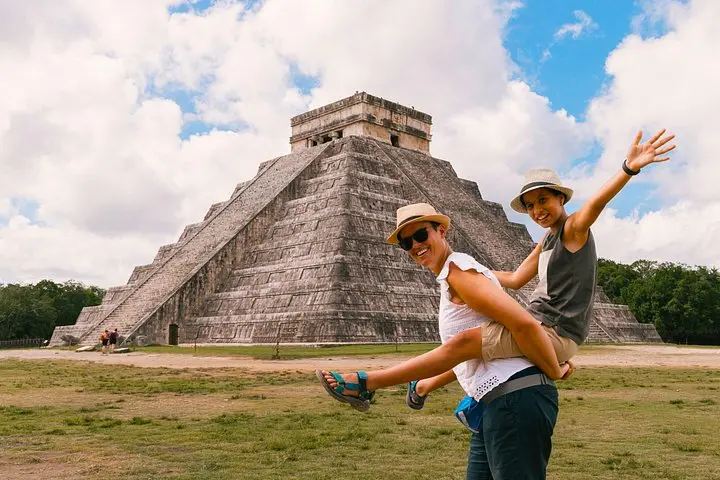
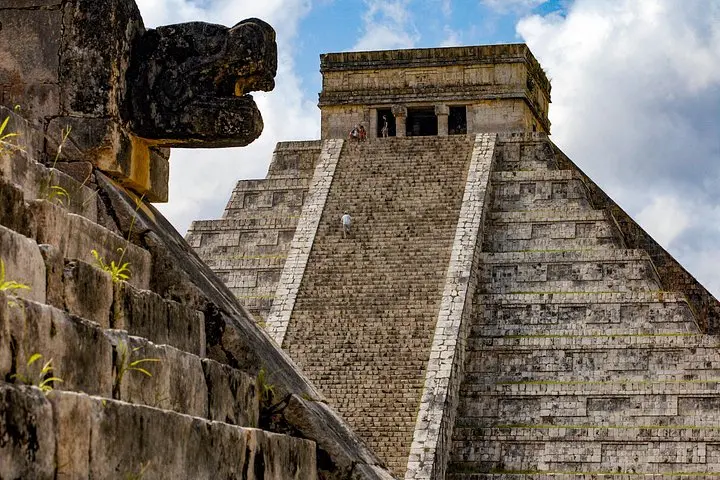
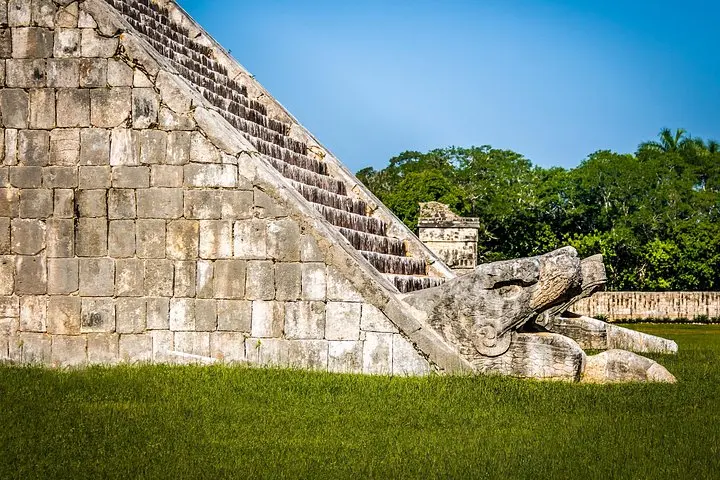
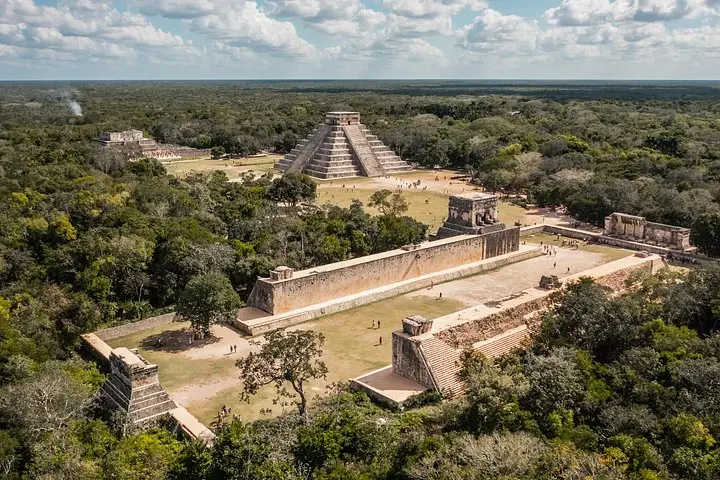
You arrive before the heat builds, stepping from the cool bus onto the flat limestone plain where the Pyramid of Kukulcan cuts a clean silhouette against an expansive sky. Wind moves dry grass and the low scrub, and the stones underfoot already feel warm — the site seems to watch as visitors fan out to study reliefs and alignments.
Verified experiences and guided adventures in the surrounding area.
Operated by Trekzy · Tinúm, Yucatán
You arrive before the heat builds, stepping from the cool bus onto the flat limestone plain where the Pyramid of Kukulcan cuts a clean silhouette against an expansive sky. Wind moves dry grass and the low scrub, and the stones underfoot already feel warm — the site seems to watch as visitors fan out to study reliefs and alignments.
Chichen Itza was a major ceremonial center of the Maya in the Late Classic and Early Postclassic periods; its architecture reflects trade links, astronomical observation and ritual life. The limestone bedrock of the northern Yucatán created the karst terrain and the deep cenotes that sustained Maya cities — the sacred cenote here was a source of water and offerings. Later Spanish influence shaped nearby Valladolid’s grid and colonial churches, which you’ll glimpse on a short walking stop.
The practical arc of the day is straightforward: an expert-led 2–3 hour circuit of the principal monuments, a guided descent to a nearby cenote for a swim and cooling off, a buffet lunch and tequila tasting, then a brief cultural stroll through Valladolid. Expect a long day — up to 12 hours with roundtrip transport from Cancún — and variable crowds, especially around the spring equinox when the serpent shadow draws larger audiences.
Bring cash for the mandatory Chichen Itza tax and small purchases, wear sun-protective clothing and sturdy walking shoes, and time your trip for early mornings to avoid the hottest hours. The cenote offers a different mood: water that seems to hold centuries of quiet — it will dare you to jump in and cool down.
No — the tour notes a site tax of approximately $39 USD per adult and $6 USD per child which is typically paid on the day unless you chose an all‑inclusive option.
No — climbing the pyramid has been prohibited for conservation and safety reasons for many years; you can walk around and photograph from viewing points.
Many cenote facilities offer life jackets for non‑swimmers and renting towels is sometimes available, but bring your own towel and check availability ahead of time.
Expect about 2–3 hours each way depending on pick‑up location and traffic; the full experience runs roughly 10–12 hours including stops.
Trekzy operates guided outdoor trips and adventures with an emphasis on safety, stewardship, and memorable experiences.
You arrive before the heat builds, stepping from the cool bus onto the flat limestone plain where the Pyramid of Kukulcan cuts a clean silhouette against an expansive sky. Wind moves dry grass and the low scrub, and the stones underfoot already feel warm — the site seems to watch as visitors fan out to study reliefs and alignments.
You arrive before the heat builds, stepping from the cool bus onto the flat limestone plain where the Pyramid of Kukulcan cuts a clean silhouette against an expansive sky. Wind moves dry grass and the low scrub, and the stones underfoot already feel warm — the site seems to watch as visitors fan out to study reliefs and alignments.
Chichen Itza was a major ceremonial center of the Maya in the Late Classic and Early Postclassic periods; its architecture reflects trade links, astronomical observation and ritual life. The limestone bedrock of the northern Yucatán created the karst terrain and the deep cenotes that sustained Maya cities — the sacred cenote here was a source of water and offerings. Later Spanish influence shaped nearby Valladolid’s grid and colonial churches, which you’ll glimpse on a short walking stop.
The practical arc of the day is straightforward: an expert-led 2–3 hour circuit of the principal monuments, a guided descent to a nearby cenote for a swim and cooling off, a buffet lunch and tequila tasting, then a brief cultural stroll through Valladolid. Expect a long day — up to 12 hours with roundtrip transport from Cancún — and variable crowds, especially around the spring equinox when the serpent shadow draws larger audiences.
Bring cash for the mandatory Chichen Itza tax and small purchases, wear sun-protective clothing and sturdy walking shoes, and time your trip for early mornings to avoid the hottest hours. The cenote offers a different mood: water that seems to hold centuries of quiet — it will dare you to jump in and cool down.