THE ADVENTURE COLLECTIVE® · Independent discovery and booking for outdoor travel

This full-day trip from Cancún combines the monumental ruins of Chichén Itzá with swims in two dramatic cenotes and a stroll through colonial Valladolid. It’s a long, varied day—history, geology, and refreshing water meet over roughly 11–12 hours of travel.
This full-day trip from Cancún combines the monumental ruins of Chichén Itzá with swims in two dramatic cenotes and a stroll through colonial Valladolid. It’s a long, varied day—history, geology, and refreshing water meet over roughly 11–12 hours of travel.
The morning light in the Yucatán arrives warm and direct, hitting the stucco of the bus as it rolls away from Cancún toward a landscape that alternates between low scrub, broad limestone pavement, and tropical roadside palms. By midmorning the silhouette of the Temple of Kukulcán rises against a blue sky—its steps a quiet ledger of centuries as guides outline astronomical alignments and ritual practice.
Verified experiences and guided adventures in the surrounding area.
Operated by Stap Travel · Chichén Itzá, Yucatán
The morning light in the Yucatán arrives warm and direct, hitting the stucco of the bus as it rolls away from Cancún toward a landscape that alternates between low scrub, broad limestone pavement, and tropical roadside palms. By midmorning the silhouette of the Temple of Kukulcán rises against a blue sky—its steps a quiet ledger of centuries as guides outline astronomical alignments and ritual practice.
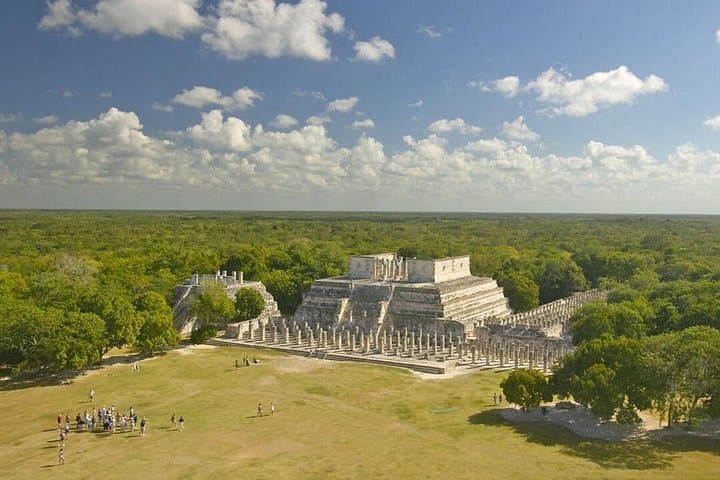
Chichén Itzá sits on limestone karst where cenotes formed when water dissolved bedrock and roof collapses opened passages to fresh groundwater. The Maya built city-states around these life-giving holes; at Chichén Itzá the Sacred Cenote still echoes with ritual history while the Great Plaza and Ball Court show engineering and social complexity.
Downstream from the ruins, Cenote Ik Kil and Cenote Hubiku offer a contrasting kind of encounter: vertical sinkholes where vines tumble from the rim, light punches through the opening, and cool water invites a refreshing dip. These cenotes are both geological features and cultural touchstones—places of sustenance and reverence.
The final stop, Valladolid, provides a colonial counterpoint: pastel facades, the 16th-century San Servacio church, and street-food stalls serving cochinita and marquesitas.
Practical guidance: expect a long day (about 11–12 hours) with multiple transfers; wear sturdy walking shoes for uneven stone, bring a swimsuit and towel for cenote swims, and apply biodegradable sunscreen. Life vests are mandatory for swims; carry water and light snacks, and schedule photos during the softer light at Chichén Itzá’s edges rather than midday glare.
The tour lasts about 11–12 hours with early pickup in Cancún and return in the evening; exact times vary by pickup point.
Life vests are mandatory and provided; children should be supervised and non-swimmers can still enjoy the cenotes with a vest and escort.
Yes—both a regional buffet and a boxed lunch are included, offering traditional Yucatecan dishes and drinks on transport.
Yes—the operator may alter the order of stops or timing without prior notice, though all listed visits are typically included.
Stap Travel operates guided outdoor trips and adventures with an emphasis on safety, stewardship, and memorable experiences.
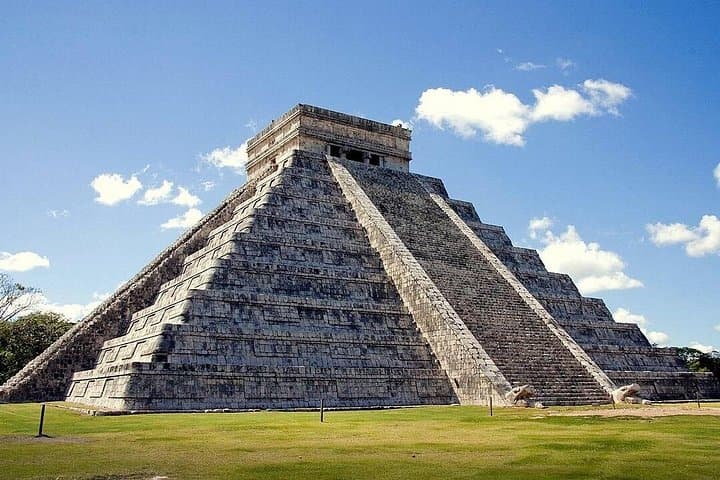
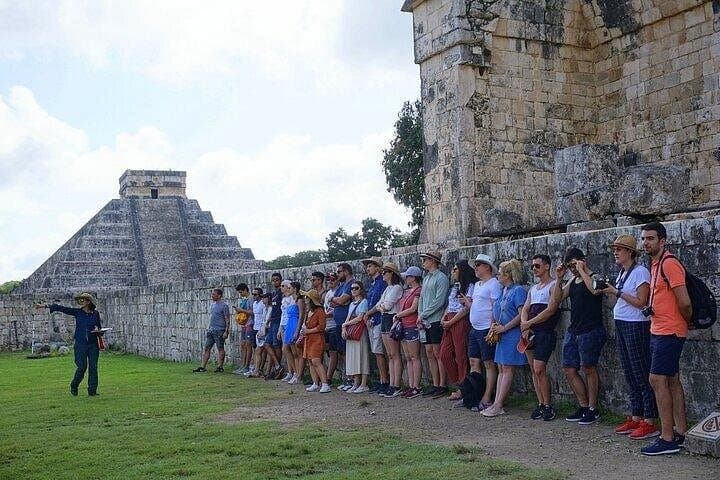
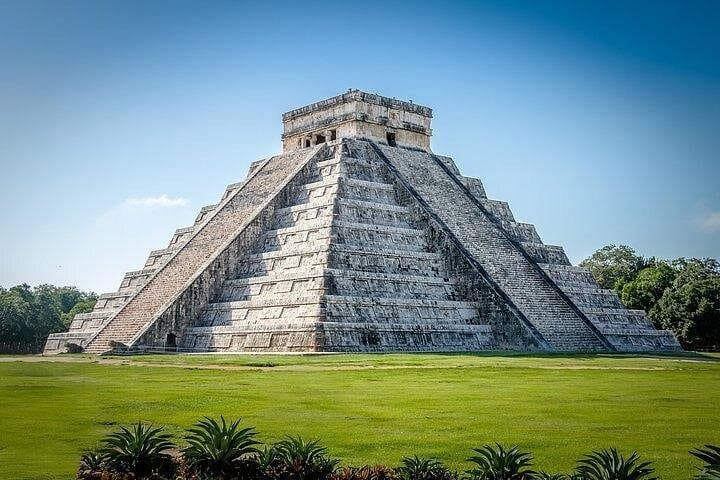
The morning light in the Yucatán arrives warm and direct, hitting the stucco of the bus as it rolls away from Cancún toward a landscape that alternates between low scrub, broad limestone pavement, and tropical roadside palms. By midmorning the silhouette of the Temple of Kukulcán rises against a blue sky—its steps a quiet ledger of centuries as guides outline astronomical alignments and ritual practice.
The morning light in the Yucatán arrives warm and direct, hitting the stucco of the bus as it rolls away from Cancún toward a landscape that alternates between low scrub, broad limestone pavement, and tropical roadside palms. By midmorning the silhouette of the Temple of Kukulcán rises against a blue sky—its steps a quiet ledger of centuries as guides outline astronomical alignments and ritual practice.
Chichén Itzá sits on limestone karst where cenotes formed when water dissolved bedrock and roof collapses opened passages to fresh groundwater. The Maya built city-states around these life-giving holes; at Chichén Itzá the Sacred Cenote still echoes with ritual history while the Great Plaza and Ball Court show engineering and social complexity.
Downstream from the ruins, Cenote Ik Kil and Cenote Hubiku offer a contrasting kind of encounter: vertical sinkholes where vines tumble from the rim, light punches through the opening, and cool water invites a refreshing dip. These cenotes are both geological features and cultural touchstones—places of sustenance and reverence.
The final stop, Valladolid, provides a colonial counterpoint: pastel facades, the 16th-century San Servacio church, and street-food stalls serving cochinita and marquesitas.
Practical guidance: expect a long day (about 11–12 hours) with multiple transfers; wear sturdy walking shoes for uneven stone, bring a swimsuit and towel for cenote swims, and apply biodegradable sunscreen. Life vests are mandatory for swims; carry water and light snacks, and schedule photos during the softer light at Chichén Itzá’s edges rather than midday glare.