THE ADVENTURE COLLECTIVE® · Independent discovery and booking for outdoor travel

Spend a long, rewarding day tracing Maya astronomy at Chichén Itzá, plunging into a limestone cenote, and wandering the colonial streets of Valladolid. This full-day tour pairs big sights with hands-on cultural moments and practical logistics for a smooth outing.
Spend a long, rewarding day tracing Maya astronomy at Chichén Itzá, plunging into a limestone cenote, and wandering the colonial streets of Valladolid. This full-day tour pairs big sights with hands-on cultural moments and practical logistics for a smooth outing.
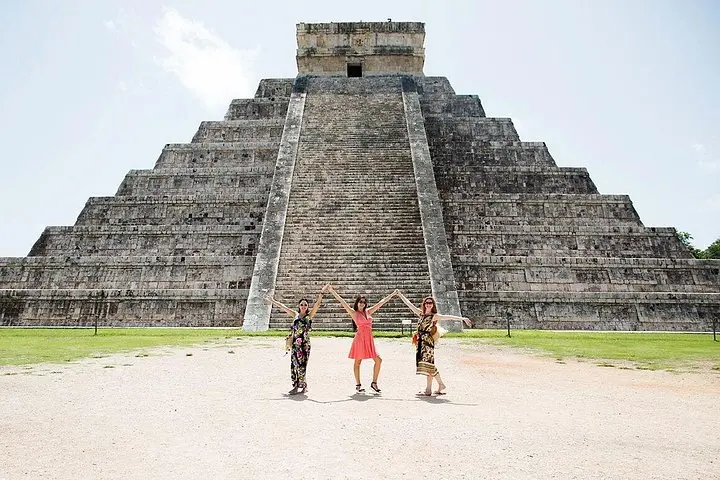
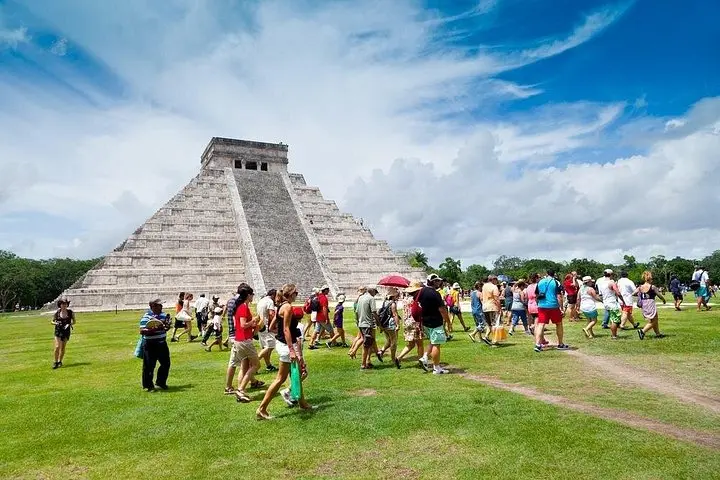
You step off the air-conditioned van into a wide plaza where the stone pyramid commands the horizon — El Castillo’s sharp silhouette drops cool shade across packed limestone. Voices and the distant flap of tour banners punctuate the warm air; heat meets history here.
Verified experiences and guided adventures in the surrounding area.
Operated by Best Price Cancún Tours · Chichén Itzá, Yucatán
You step off the air-conditioned van into a wide plaza where the stone pyramid commands the horizon — El Castillo’s sharp silhouette drops cool shade across packed limestone. Voices and the distant flap of tour banners punctuate the warm air; heat meets history here.
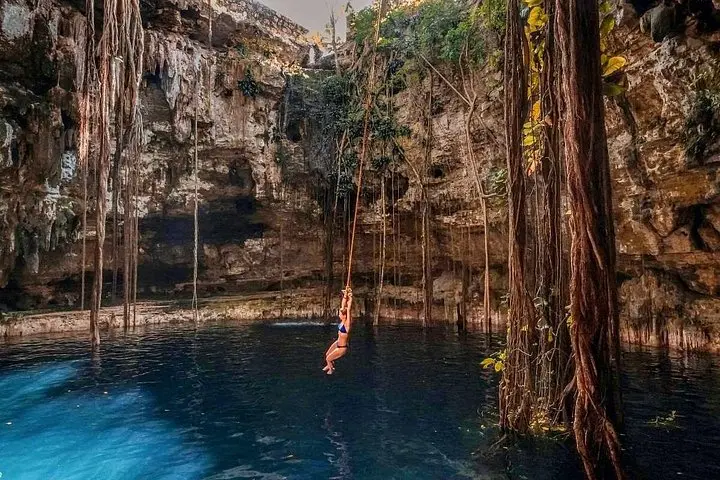
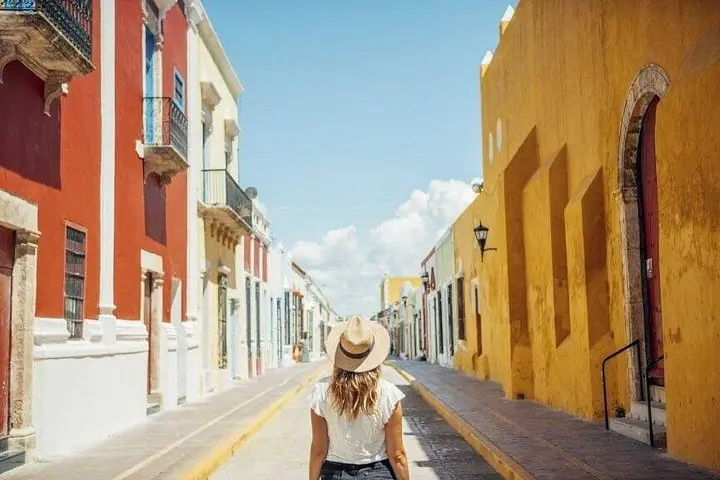
This looped day ties three distinct threads of the Yucatán: the Postclassic Maya city of Chichén Itzá, where the Temple of Kukulkan encodes solar cycles; a freshwater cenote carved into limestone that reveals the region’s karst geology; and Valladolid, a colonial town shaped by Spanish convents and living Mayan traditions. The limestone plain beneath your feet is porous karst — sinkholes and cenotes are the landscape’s drainage, and the cenote you swim in is both geological feature and cultural wellspring.
Guides typically pace a 2–3 hour exploration of the main plaza with stop points at the ball court, observatory, and the priest’s platforms, then a relaxed hour at a cenote for swimming and photos, and a short cultural stroll through Valladolid’s main square, church and local market.
Practical edge: expect a long day on the road (most departures from Cancún or Playa del Carmen mean several hours’ drive each way), sunscreen and a hat for open plazas, and a refillable bottle for the dry stretch between stops. Bring swimwear and a small towel for the cenote, comfortable walking shoes for uneven stone, and cash for local snacks or handicrafts. Plan to arrive with patience, a camera, and respect for fragile sites — stay on marked paths and follow your guide’s instructions.
The tour runs about 12 hours total including transport; expect pickup in the morning and return late afternoon to evening depending on your pickup location.
Yes — museum/archaeological site and cenote tickets are included, and the tour provides a Mexican buffet lunch as listed in the inclusions.
Yes, swimming is part of the itinerary; towels may not be provided so bring your own quick-dry towel and swimwear.
The tour is suitable for children and most fitness levels, but the ruins have steps and uneven ground and the day includes long van transfers, which can be challenging for those with limited mobility.
Best Price Cancún Tours operates guided outdoor trips and adventures with an emphasis on safety, stewardship, and memorable experiences.
You step off the air-conditioned van into a wide plaza where the stone pyramid commands the horizon — El Castillo’s sharp silhouette drops cool shade across packed limestone. Voices and the distant flap of tour banners punctuate the warm air; heat meets history here.
You step off the air-conditioned van into a wide plaza where the stone pyramid commands the horizon — El Castillo’s sharp silhouette drops cool shade across packed limestone. Voices and the distant flap of tour banners punctuate the warm air; heat meets history here.
This looped day ties three distinct threads of the Yucatán: the Postclassic Maya city of Chichén Itzá, where the Temple of Kukulkan encodes solar cycles; a freshwater cenote carved into limestone that reveals the region’s karst geology; and Valladolid, a colonial town shaped by Spanish convents and living Mayan traditions. The limestone plain beneath your feet is porous karst — sinkholes and cenotes are the landscape’s drainage, and the cenote you swim in is both geological feature and cultural wellspring.
Guides typically pace a 2–3 hour exploration of the main plaza with stop points at the ball court, observatory, and the priest’s platforms, then a relaxed hour at a cenote for swimming and photos, and a short cultural stroll through Valladolid’s main square, church and local market.
Practical edge: expect a long day on the road (most departures from Cancún or Playa del Carmen mean several hours’ drive each way), sunscreen and a hat for open plazas, and a refillable bottle for the dry stretch between stops. Bring swimwear and a small towel for the cenote, comfortable walking shoes for uneven stone, and cash for local snacks or handicrafts. Plan to arrive with patience, a camera, and respect for fragile sites — stay on marked paths and follow your guide’s instructions.